



Steak Cooking at a Glance
- Best Steaks: Ribeye, NY Strip, Porterhouse, Filet Mignon, Skirt, Flank, Hanger
- Seasoning: Coarse salt and freshly cracked black pepper
- Doneness (Med-Rare): 130°F to 135°∘F
- Resting: 1 to 2 minutes on a wire rack
- Best Method: Direct grilling for steaks up to 1-1/2 inches thick; reverse searing link for 3- to 4-inch thick monsters
Step 1: Start with the Right Steak
Five factors determine the excellence of your steak: cattle breed, feed, aging, grade, and cut.
- Prime vs. Choice: The USDA grades beef on marbling (intramuscular fat). Only 2% of beef qualifies as Prime—highly flavorful, tender, and luscious. Choice is what you find at most supermarkets—less rich, but still very tasty.
- Wagyu vs. Angus: Wagyu is renowned for its hyper-generous marbling; an A-5 Japanese Wagyu looks like white lace on red cloth. Angus delivers a bold, robust, classic beefy flavor enjoyed across North America.
- Grain-Fed vs. Grass-Fed: Corn-fed beef produces rich, buttery, meaty steaks. Grass-fed beef is leaner with a distinctive, almost herbaceous flavor. The ideal compromise is beef raised on grass, then finished with grain.
- Dry-Aged vs. Wet: Dry-aged beef, hung unwrapped in climate-controlled rooms for 28 to 36 days, loses moisture, concentrating the beefy flavor and creating rich umami notes. Wet-aged beef matures in vacuum-sealed plastic; it is faster, cheaper, and tasty enough, but lacks the rich, concentrated flavor of dry-aged beef.
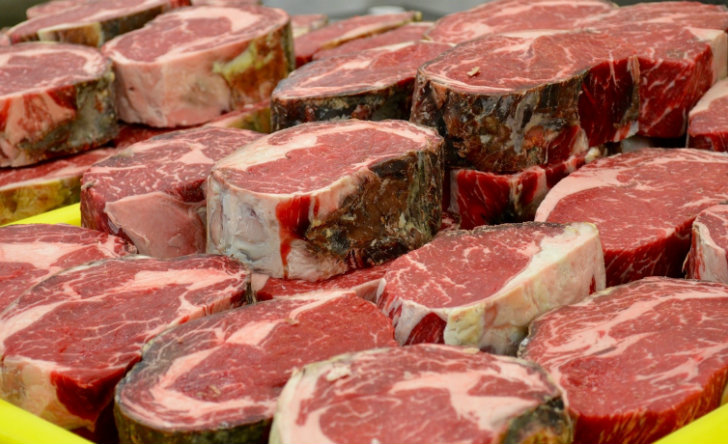
The Four Steak Categories
- The Noble Steaks: Upper steer cuts (filet mignon, ribeye, strip, porterhouse) that are intrinsically tender and rich.

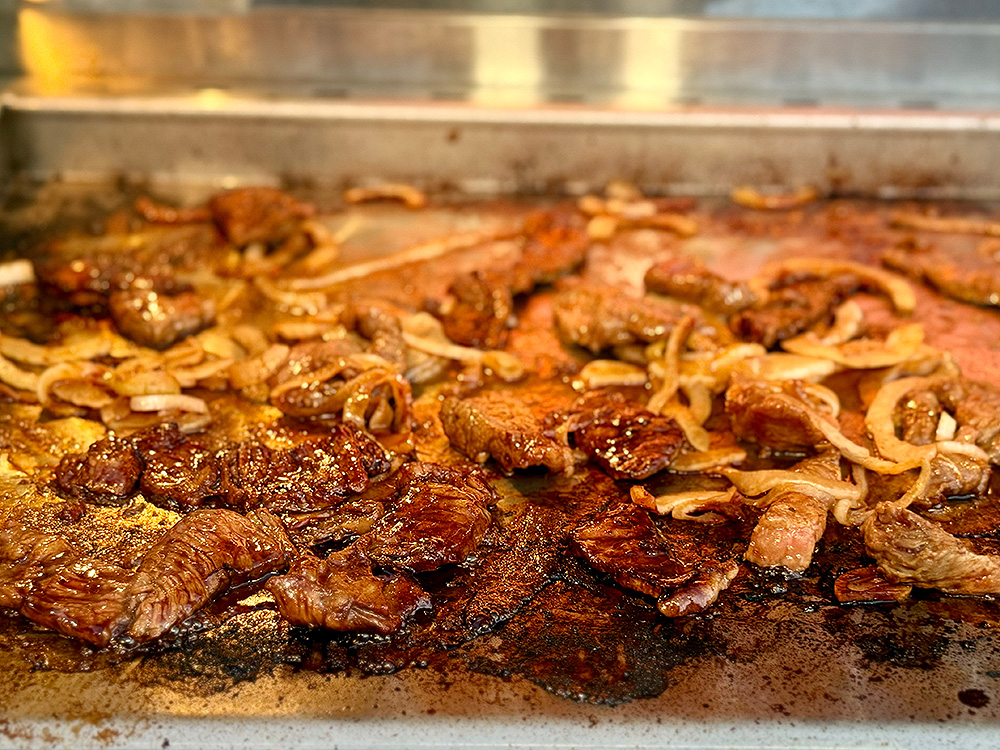
- The Belly Steaks: Undercarriage cuts (skirt, flank, hanger). Intensely flavorful but stringy; slice thinly against the grain to ensure tenderness.
- The Tough Steaks: Round and chuck. Slice paper-thin for cheesesteaks or chop fine for carne asada.
- The Cult Steaks: Unique cuts like tri-tip, picanha (featuring a luscious fat cap), and flatiron.
Step 2: Keep Seasoning Simple and Strategic
For premium beef, skip heavy, muddying marinades. Stick to coarse sea salt or kosher salt and freshly cracked black pepper. Season your steak early—about 45 to 60 minutes before grilling. This allows the salt to draw out moisture, dissolve, and reabsorb back into the fibers, seasoning the meat deeply. If you’re short on time, season immediately before the steak hits the grates.
Do not let steaks warm to room temperature beforehand. The difference in cooking time is negligible, and it is simply not worth the food safety risk. Keep them cold until they go on the grill.
Step 3: Set Up Your Grill for Two-Zone Cooking (Wood Smoke Optional, But Desired)
Arrange your coals or burners so you have a screaming-hot direct zone for searing and a cooler, zone for cooking. Control the cooking by moving the steak back and forth between the hot and less hot zone. Add wood chunks or chips (like oak, hickory, or pecan) directly to your coals or place in your gas grill’s smoker box. A quick blast of wood smoke during grilling makes a good steak great and a great steak unforgettable.
Step 4: Sear Hot and Flip Frequently
Forget the old myth of flipping your steak only once to get crosshatch grill marks. (Mea culpa—I used to recommend this in my earlier books.) I’ve come to see that flipping your steak often—every 20 to 30 seconds—cooks the meat more evenly and helps build a darker, richer crust. Focus on the crust and flip often.

Step 5: Master the Reverse Sear
- Place your seasoned steak on the cooler, indirect side of your grill (225°F to 250°F).
- Indirect grill (with grill lid down) to heat the meat to an internal temperature about 20°F below your target doneness (for example, to 110°F for a medium-rare steak)
- Move the steak directly over the high-heat, searing for 1 to 2 minutes per side to build a sizzling dark crust and internal temperature of 130°F.
| Doneness | Description | Internal Temperature | Poke Test Feel |
|---|---|---|---|
| Rare | Warm red interior | 120°F to 125°F | Soft and squishy |
| Medium-Rare | Hot red to dark pink interior | 130°F to 135°F | Yielding |
| Medium | Pink interior | 140°F to 145°F | Gently yielding |
| Medium-Well | Grayish pink interior | 150°F to 155°F | Firm |
| Well Done | Gray interior | 160°F+ | Hard and springy |
Note: Measure internal temperature using an instant-read thermometer inserted horizontally through the side of the steak. For the poke test, press the top of the steak with your forefinger. The amount of resistance will tell you the doneness. Use a thermometer for thicker steaks; the poke test for thin steaks like skirt.
Step 6: Give It a Rest
A steak served “hot off the grill” sounds romantic, but resting your steak on a wire rack over a sheet pan for a minute or two will give you a tenderer, juicier steak. (Resting relaxes the meat, allowing the juices to redistribute. The wire rack keep the bottom from getting soggy.) But over-resting results in a lukewarm or even cold steak, which does the meat an injustice.
Step 7: Carve It Right
It has become fashionable, if not de rigueur, for steakhouses to pre-slice your steak before serving. Don’t. This may look dramatic, but a pre-sliced steak gets cold and dry very quickly. Serve your steak whole and let the diner slice it him- or herself.
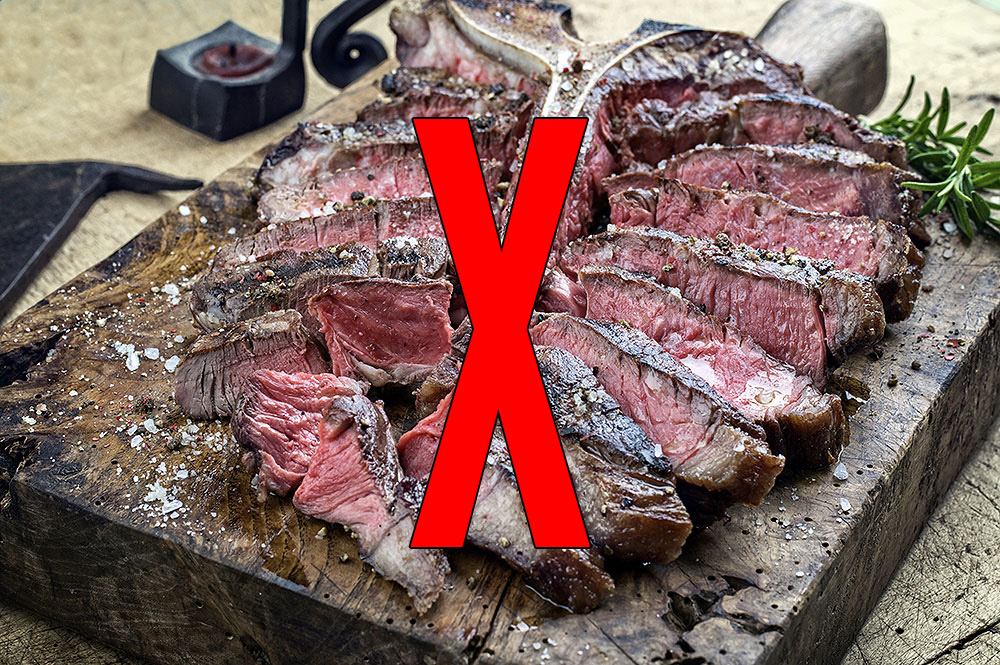
Note: the one exception here are belly steaks, like skirt and flank, which should be thinly sliced across the grain to shorten the tough meat fibers.
Finally, don’t forget to anoint
A great steak needs little more than salt and pepper by way of a seasoning, but a pat of compound butter link or drizzle of melted butter or extra virgin olive oil makes a great steak even better
Great Steak Recipes to Try Next
More Steak Recipes »
Frequently Asked Questions
What is the best way to cook steak on the grill?
For thick cuts, use the reverse sear method. For thinner cuts, cook directly over high heat, flipping frequently.
How long should you grill steak?
Figure on 2 to 2-1/2 minutes per side for thin steaks, about 1/2 inch thick; 3 to 4 minutes per side for 1-inch steaks; and about 5 minutes per side for 1-1/2-inch steaks. When using the reverse sear method for a really thick steak, figure on 40 to 60 minutes for the low-heat indirect grilling, followed by 2 to 3 minutes per side for the high-heat sear.
What temperature should steak be cooked to?
Medium-rare, 130°F to 135°F, is ideal for many steaks. Use an instant-read thermometer inserted into the side of the steak to verify doneness. For thinner steaks, like skirt and flank, use the poke test: press the meat with your forefinger to feel the resistance. Pull the steak a few degrees early, as carryover cooking will raise the temperature during resting.
How do you make steak tender on the grill?
Select well-marbled cuts, season like you mean it, do not overcook, and rest the meat for a minute or two before serving.
Should you grill steak with the lid open or closed?
Keep the lid open when searing thin steaks over high heat. Keep the lid closed during indirect cooking or when finishing thick steaks.