





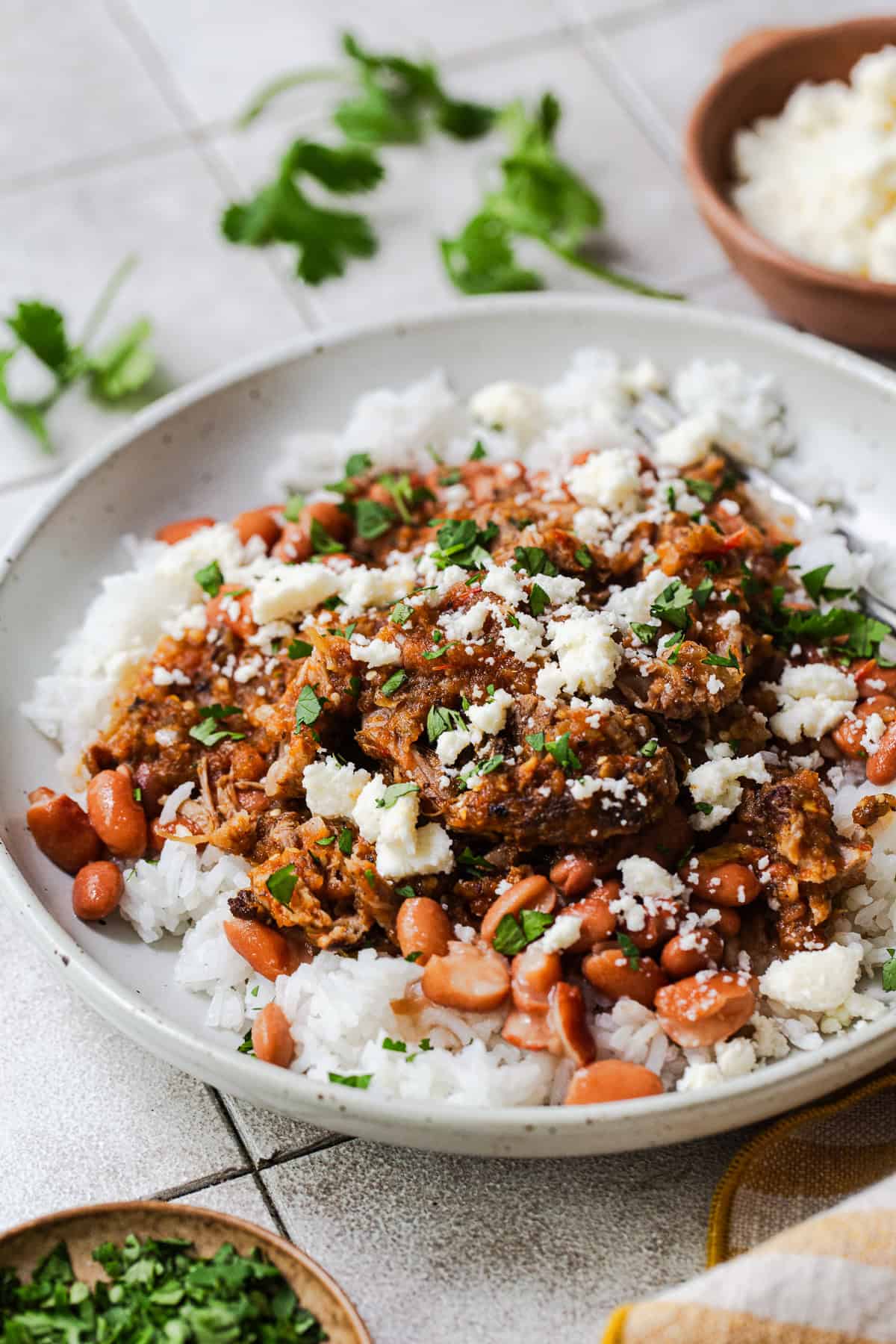
Morisqueta is a traditional Mexican comfort meal from the state of Michoacán made with layers of fluffy white rice, creamy pinto beans, and fall-apart pork ribs simmered in a roasted homemade salsa. It’s the kind of dish that looks simple but completely delivers.
A Note from Isabel

When I first learned about morisqueta, it instantly reminded me of my family’s staple chile colorado and chile verde recipes. It’s not something I grew up eating, and it’s not really a dish from my parents’ hometown of Villa Insurgentes, Zacatecas. But the second I saw it, I knew I had to make it.
Pork ribs are simmered until fall-apart tender, then fried in their own juices before getting cooked down in a roasted salsa that comes together super quickly. Then it’s all about the layering – first a layer of fluffy white rice that soaks up all the salsa, creamy pinto beans, and a final layer of those juicy pork ribs with an extra spoonful (or two) of salsa on top. It’s just so good and comforting! You’ll thank me later.
What Is Morisqueta?
Morisqueta is a traditional home-style dish from the state of Michoacán, Mexico. At its core, it’s three humble components layered together: white rice, pinto beans, and a roasted salsa. The pork rib version is the most well-known, but there’s also a traditional vegetarian variation made with just rice, beans, and salsa, or with cubed panela cheese cooked in the salsa instead.
Ingredients You’ll Need
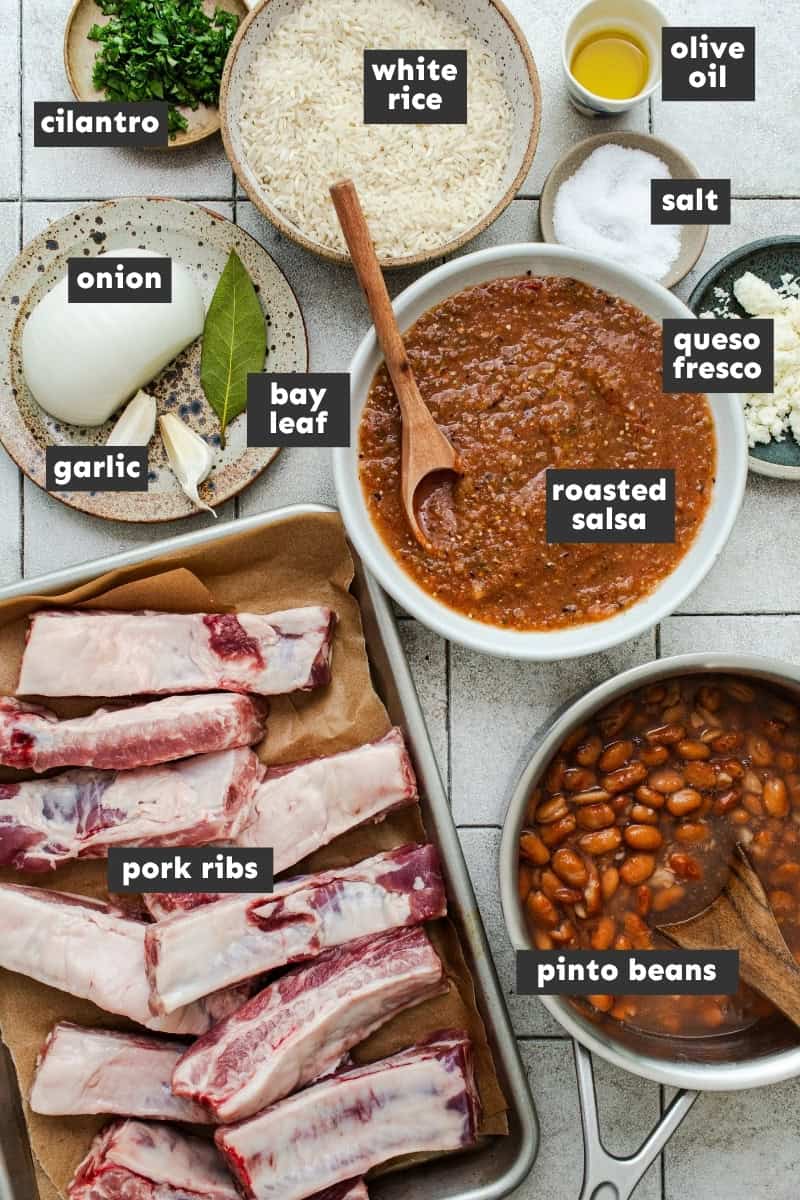
- Pork back ribs or short ribs: The fat content is key here. As the water evaporates, the pork starts frying in its own rendered fat, which builds serious flavor and color before the salsa goes in.
- Salsa ingredients (Roma tomatoes, tomatillos, jalapeños, chiles de árbol, white onion, and garlic): Everything gets roasted until charred before blending, which adds smokiness and depth. The tomatillos are what set this salsa apart from most morisqueta recipes, adding brightness and a slight tang that balances the richness of the pork.
- Long grain white rice: Simple and neutral. It’s meant to soak up all that salsa from the bottom up.
- Cooked pinto beans: You want beans that still have plenty of broth. This homemade pinto beans recipe is great, and these charro beans would be delicious too, but canned pinto beans work fine if that’s what you have.
- Queso fresco and cilantro: It’s the perfect contrast to the rich pork and salsa. Fresh, crumbly, and bright.
- Mexican crema: This is optional but worth it. A drizzle on top adds a little creaminess that ties everything together.
How to Make Morisqueta
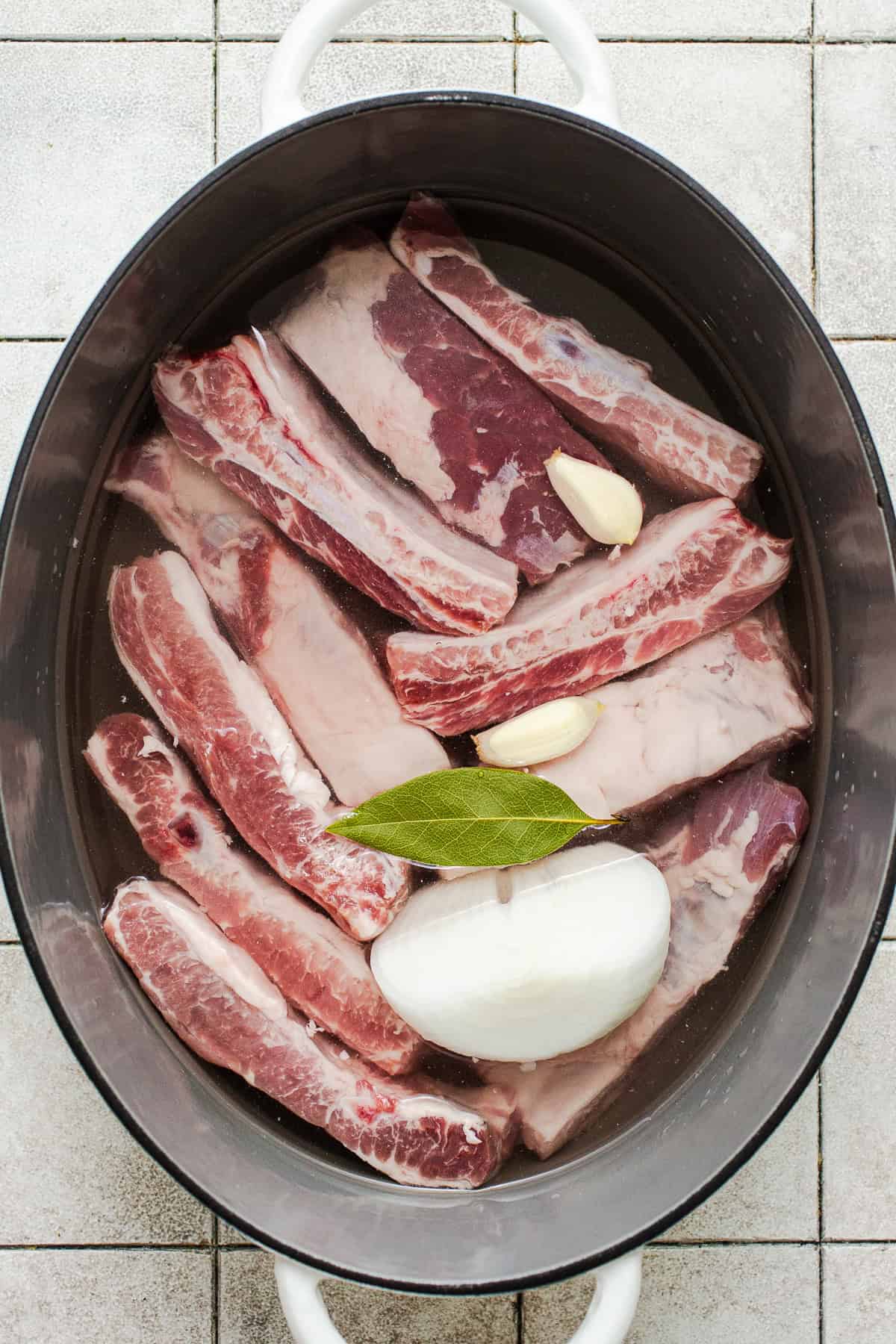
Cook the pork ribs. Add the pork ribs to a large pot or Dutch oven with enough water to barely cover them, salt, onion, garlic, and a bay leaf. Cover and bring to a boil, then reduce to a simmer. Uncover, skim any foam off the top, and simmer on medium-low for 50-60 minutes until all the water has evaporated.
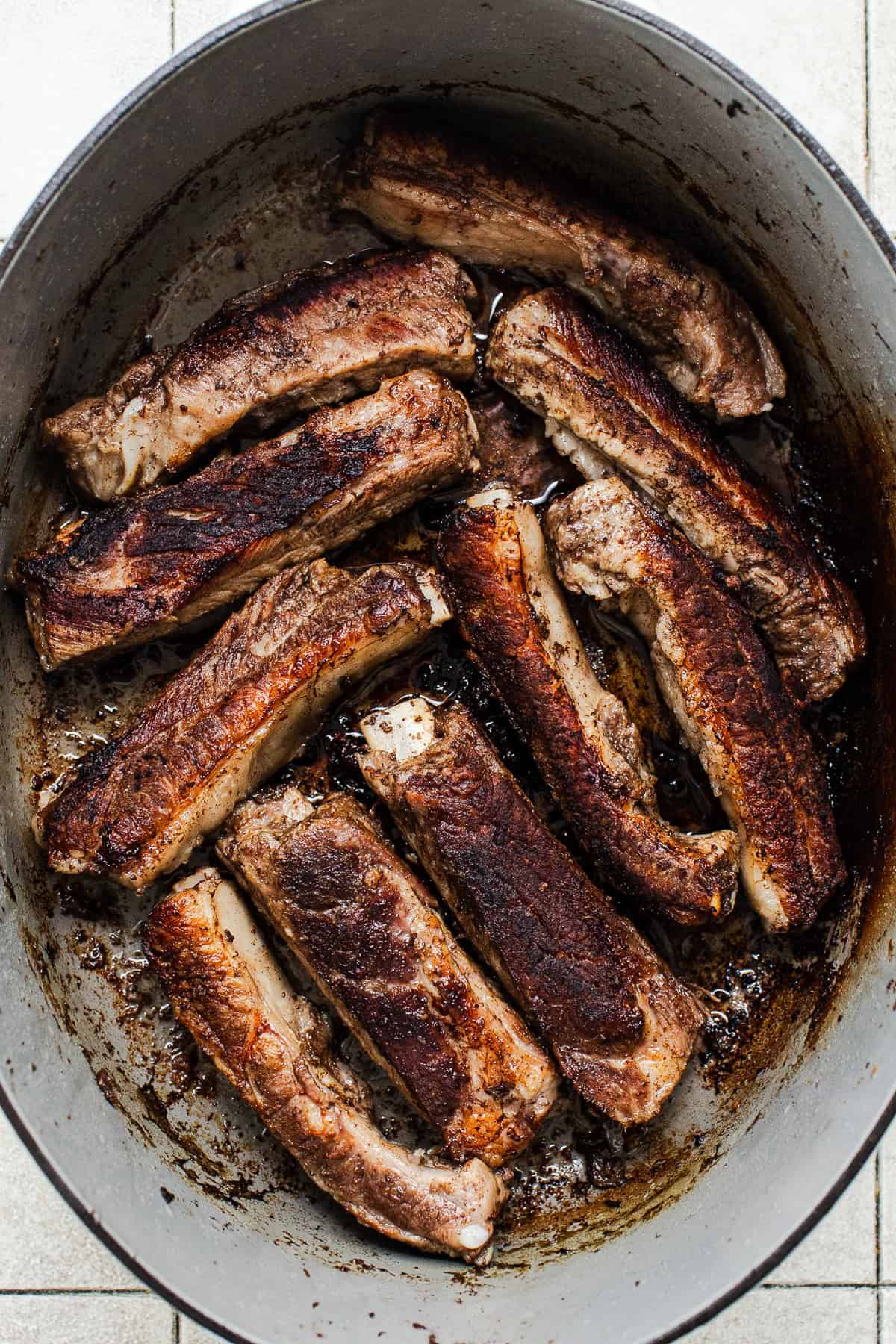
Fry the pork ribs. Remove and discard the bay leaf and aromatics. The pork will start releasing its own fat and begin to fry. Cook until browned on all sides, about 10-15 minutes, stirring occasionally.
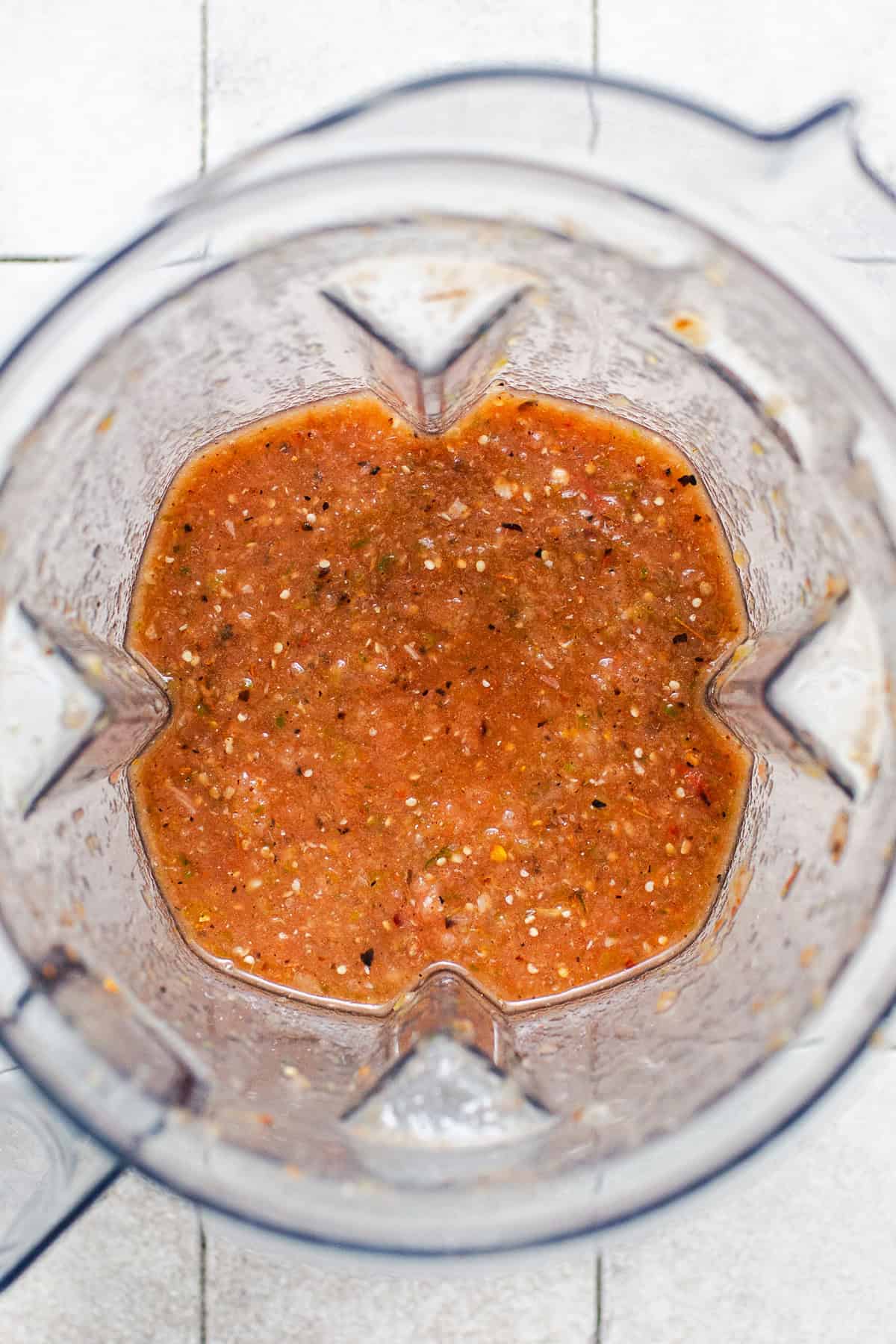
Make the salsa. While the pork is cooking, roast the tomatoes, tomatillos, jalapeños, onion, garlic, and árbol chiles (if using) on a comal, over an open flame, or under a broiler until all sides are charred. Transfer everything to a blender with water and salt and blend until mostly smooth.
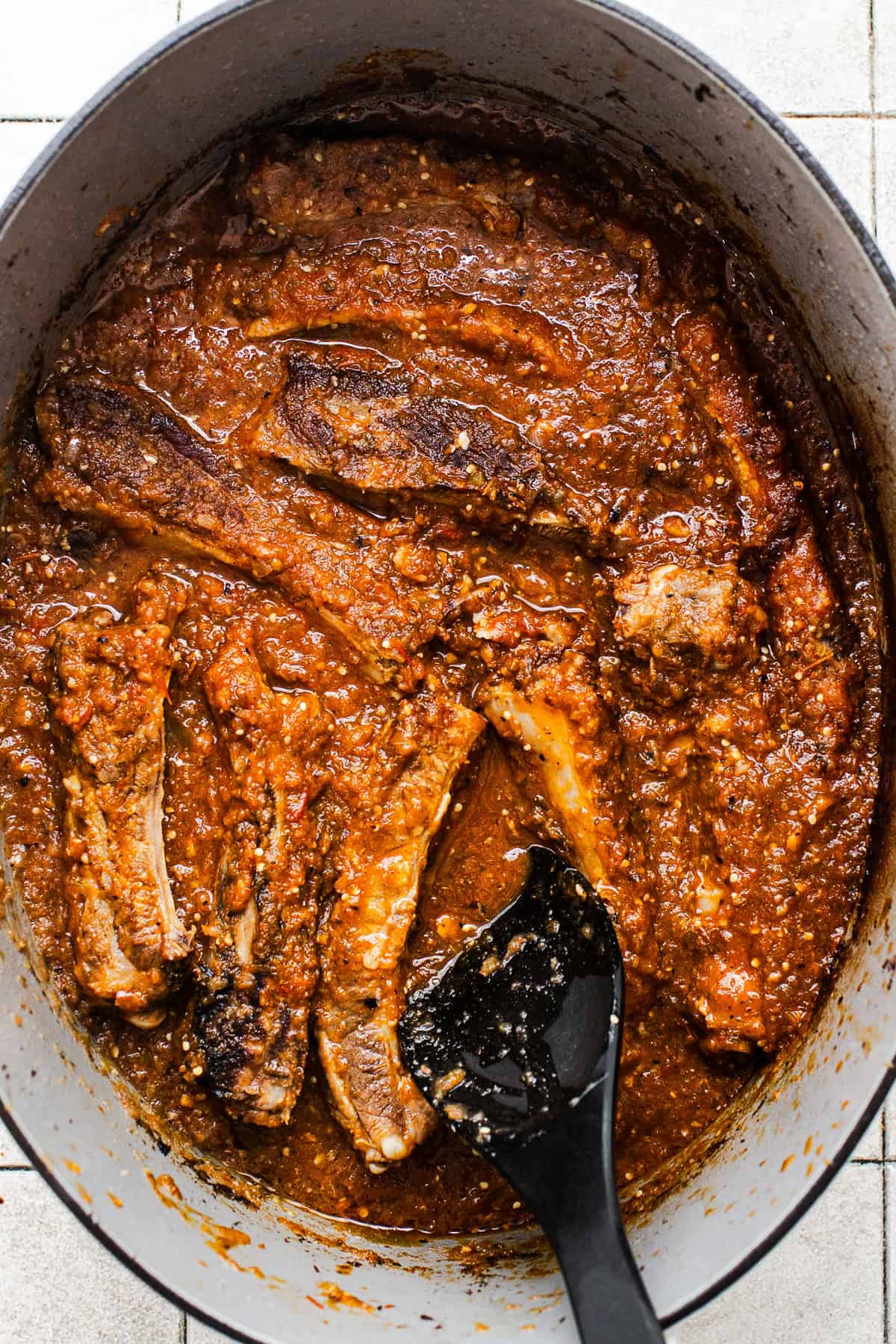
Simmer the pork in the salsa. Add the blended salsa to the pork and simmer uncovered for about 10 minutes, stirring occasionally. At this point you can remove the bones for easier serving, or leave them in.
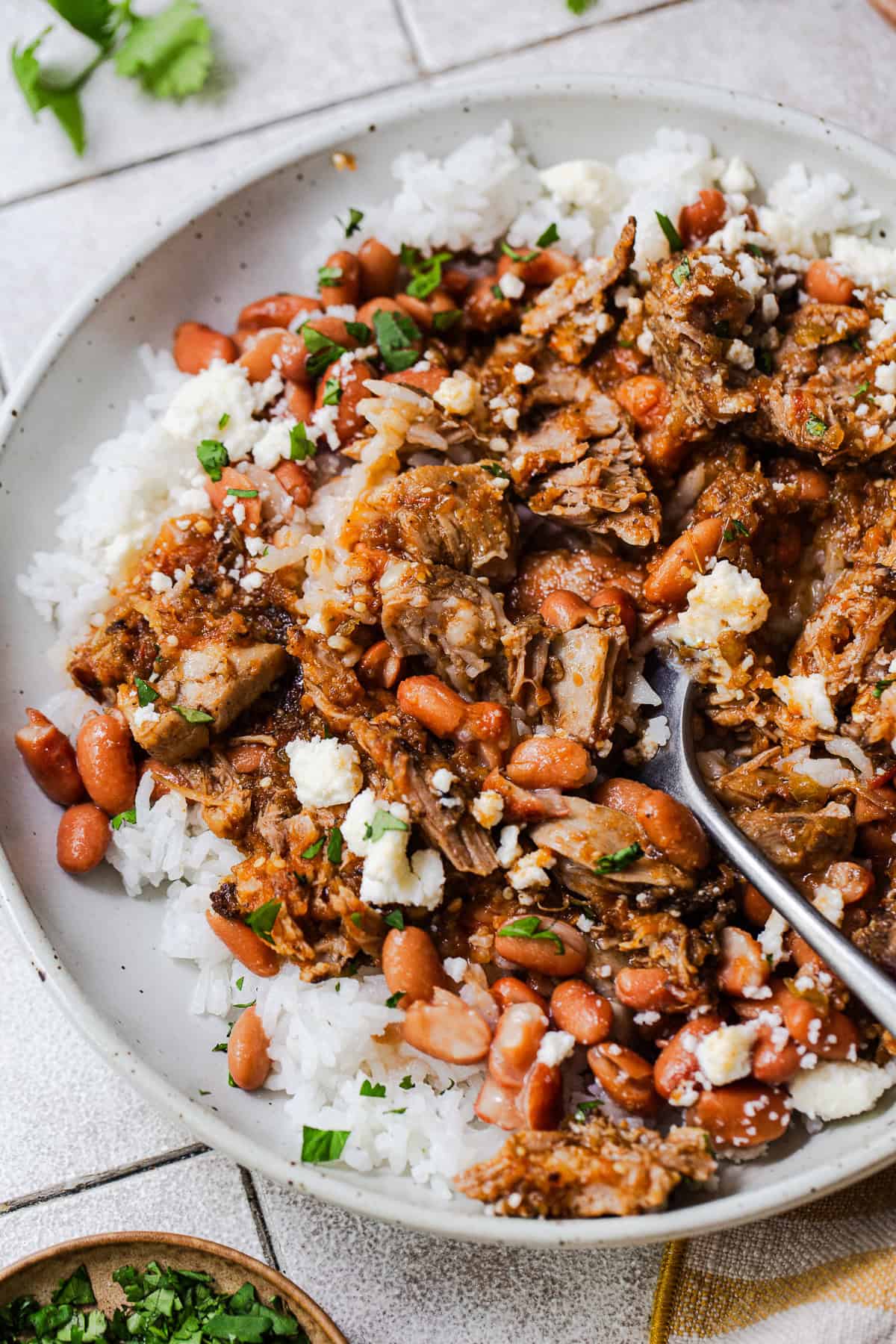
Assemble. Layer cooked rice in a bowl, top with pinto beans, then the pork ribs, and plenty of salsa. Garnish with queso fresco, cilantro, and a drizzle of crema if using. Serve with warm corn tortillas, flour tortillas, or bolillo bread on the side.
Recipe Tip
- Use a fattier cut of pork. Pork back ribs or short ribs work best here. If you swap in pork shoulder, cut it into chunks, and make sure it’s a fattier cut so it fries properly once the water evaporates.
- Adjust the heat level. The jalapeños give this a mild-to-moderate spice. Add chiles de árbol for more heat, or reduce the jalapeños for a milder heat.
- Don’t skip the fry step. Once the water evaporates, let the pork actually brown in its own fat before adding the salsa. That caramelization is where a lot of the flavor comes from.
- Make it vegetarian. Skip the pork entirely and serve with just rice, beans, and salsa, or cook cubed panela cheese in the salsa instead.
- Make it ahead. All three components store well separately. The rice keeps in the fridge for up to 4 days, and the beans and pork both keep for up to a week. Assemble when you’re ready to serve.
Frequently Asked Questions
- What is morisqueta made of?
Morisqueta is made of three layered components: white rice on the bottom, pinto beans in the middle, and pork ribs simmered in a roasted salsa on top. It’s garnished with queso fresco, cilantro, and crema. - What meat is used in morisqueta?
Pork back ribs or short ribs are the most traditional. You can also use pork shoulder cut into chunks, or swap the meat entirely for cubed panela cheese for a vegetarian version. - Can I use canned beans?
Yes. Canned pinto beans work fine, just heat them with a little water or broth so they stay soupy. Homemade pinto beans with their broth are even better if you have the time.
Storing and Reheating
Store each component separately in airtight containers in the fridge. The rice keeps for up to 4 days, and the beans and pork keep for up to 5 days.
To reheat, assemble as directed and microwave for 1-2 minutes until warmed through, or reheat the pork and salsa in a skillet over low heat.
More Recipes
-
Cook the pork ribs. In a large pot or Dutch oven, add the pork ribs, enough water to barely cover them, salt, onion, garlic, and a bay leaf. Cover and bring to a boil, then reduce the heat to a simmer. Uncover, skim any foam off the top, and simmer the pork on medium-low heat for 50-60 minutes until all the water has evaporated.
-
Make the salsa. While the pork is simmering, roast the tomatoes, tomatillos, jalapeños, onion, garlic, and árbol chiles (if using) on a comal, over an open flame, or under a broiler until all sides are charred, about 30 seconds for the árbol chiles, 2 minutes for the garlic, and 10 minutes for the other vegetables. Transfer all the ingredients to a blender along with water and salt, and blend until mostly smooth. Set aside.
-
Make the rice. In a separate medium pot, heat the olive oil over medium heat and add the rice, toasting it lightly for 2-3 minutes, stirring frequently. Add the broth and salt and bring to a boil. Reduce the heat to medium-low, cover, and simmer for 15-20 minutes until rice is cooked through. Remove the pot from the heat, uncover, and fluff the rice with a fork. Let it rest for 5 minutes, then set it aside.
-
Finish cooking the pork ribs. Remove and discard the bay leaf and aromatics from the pork. The pork will start to release its own fat and will begin to fry. Continue cooking the pork until it’s browned and fried on all sides, about 10-15 minutes, stirring occasionally.
-
Add the blended salsa and simmer for about 10 minutes, uncovered, stirring occasionally. At this point, you can remove and discard the bones for easier serving, or leave them in.
-
Assemble and serve the morisqueta by layering cooked rice, cooked pinto beans, and the stewed pork ribs on top. Top with extra salsa and garnish with queso fresco and chopped cilantro.
Prevent your screen from going dark
- Pork: Pork back ribs or short ribs are ideal for this recipe. If you’d like to use pork shoulder instead, cut it into chunks and look for a fattier piece so it renders and browns properly once the water cooks off.
- Heat level: Toss in a couple more chiles de árbol if you want extra heat, or dial back the jalapeños for a milder version.
- Beans: Soupy beans are key here. You want plenty of broth so they don’t dry out when layered. Homemade pinto beans, black beans, or charro beans are great, but canned works too. Just add a splash of water or broth when heating them up.
- Make ahead: Each component can be prepped separately and stored in the fridge. Rice will keep for up to 4 days, and the beans and pork are good for up to 5 days.
Serving: 1serving | Calories: 573kcal | Carbohydrates: 64g | Protein: 31g | Fat: 21g | Saturated Fat: 7g | Polyunsaturated Fat: 4g | Monounsaturated Fat: 9g | Trans Fat: 0.2g | Cholesterol: 82mg | Sodium: 2024mg | Potassium: 735mg | Fiber: 5g | Sugar: 4g | Vitamin A: 492IU | Vitamin C: 17mg | Calcium: 108mg | Iron: 3mg
Nutrition information is automatically calculated, so should only be used as an approximation.
Photography by Ashley McLaughlin.