



Back to Barbecue Basics
2. Remove the Membrane
Remove the tough, papery membrane from the back side of the ribs. It is unpleasant to eat and can keep spice and smoke flavors from penetrating the meat.
To remove it, slide the tip of a meat thermometer, butter knife, or similar slender tool between the membrane and one of the bones. The best place to start is usually over one of the middle bones. Once you have loosened it, grip the membrane with a paper towel or pliers and pull it off. Repeat as needed.
Note: Some supermarkets sell ribs that have already been “skinned.”
3. Trim Spareribs St. Louis-Style
Spareribs are often trimmed by the butcher into a neat rectangle, which helps them cook more evenly and gives them a better presentation. This is known as a St. Louis cut.
You can trim them yourself by removing the small flap of meat on the underside, the small bones on the narrow end, and the cartilaginous rib tips at the top of the slab. Save the rib tips to flavor baked beans.
4. Build Flavor in Layers
Great ribs are built with multiple layers of flavor. Start with a rub or marinade as the base layer. During cooking, use a mop sauce to add another layer of flavor and help keep the ribs moist.

Mop sauces are usually thin and not overly sweet. Common ingredients include beer, cider, coffee, broth, and melted butter. Unlike barbecue sauce, they generally do not include sweeteners like honey or sugar.
And of course, wood smoke provides the most important flavor of all.
5. Use a Slather Before the Rub
To help keep the meat moist, apply a slather before adding the rub. A slather is a thin coating of yellow mustard or mayonnaise. Both help moisturize the ribs without affecting the final flavor.
Once the ribs are lightly coated, apply your rub.
6. Try the 3-2-1 Method
The 3-2-1 method is a popular way to smoke ribs low and slow. Smoke the ribs indirectly at 225 to 250 degrees for about 3 hours. If desired, wrap them tightly in foil and continue cooking for about 2 hours. Then unwrap the ribs and finish them over indirect heat for another 30 minutes to 1 hour.

The timing is a guideline, not a law. The ribs are done when they are tender, not simply when the clock says so.
7. Sauce at the End
Apply barbecue sauce at the end of cooking as a lacquer or glaze. If you want even more flavor, sear the sauce directly over a medium-hot fire.
Watch carefully. Barbecue sauce can go from nicely caramelized to burned quickly, especially if it contains sugar.
8. Match the Cooking Method to the Rib
Not all ribs should be cooked the same way. Tender cuts, like pork country-style ribs or Argentinean cross-cut beef ribs, can be direct grilled.
Fattier ribs, like baby backs, are better cooked with indirect heat.
9. Use a Rib Rack When Space Is Tight
If your grill grate is small, invest in a rib rack. A rib rack lets you cook more ribs at once, and it also encourages self-basting as the juices travel down the length of the ribs.
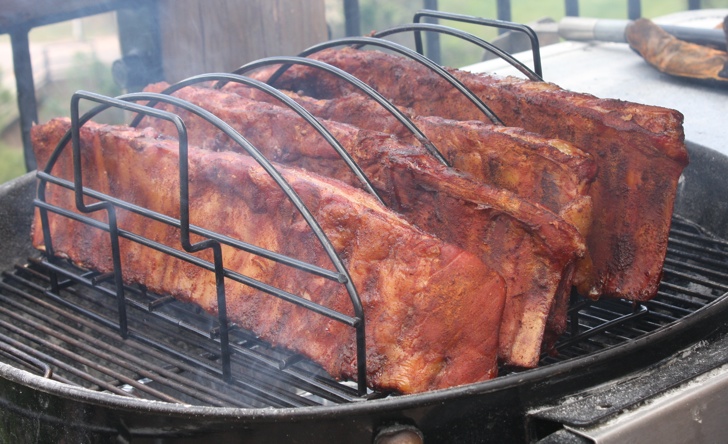
If you do not own a rib rack and need to feed a crowd, loosely spiral the rib racks and secure them with bamboo skewers. Arrange them upright on the grill and cook them using indirect heat.
10. Use Smoke With Restraint
Smoke is the soul of great barbecued ribs, but more smoke is not always better. Hickory, apple, and oak are all excellent woods for smoking ribs. You can also use a mixture of all three.
Apply smoke decisively but with restraint. It should enhance the meat, not overpower it.
11. Know When the Ribs Are Done
When ribs are cooked, the meat will usually shrink back from the ends of the bones by about 1/4 to 1/2 inch. Think of it as a kind of pop-up thermometer for ribs.
Another test is to lift the rack with tongs. If the meat begins to separate into shreds at the flexing point, the ribs are tender. Properly cooked ribs should also be tender enough to tear apart with your fingers.
12. Cut the Ribs Meat-Side Down
When it is time to slice the ribs, turn them meat-side down on the cutting board. This makes it easier to see the meat between the bones.
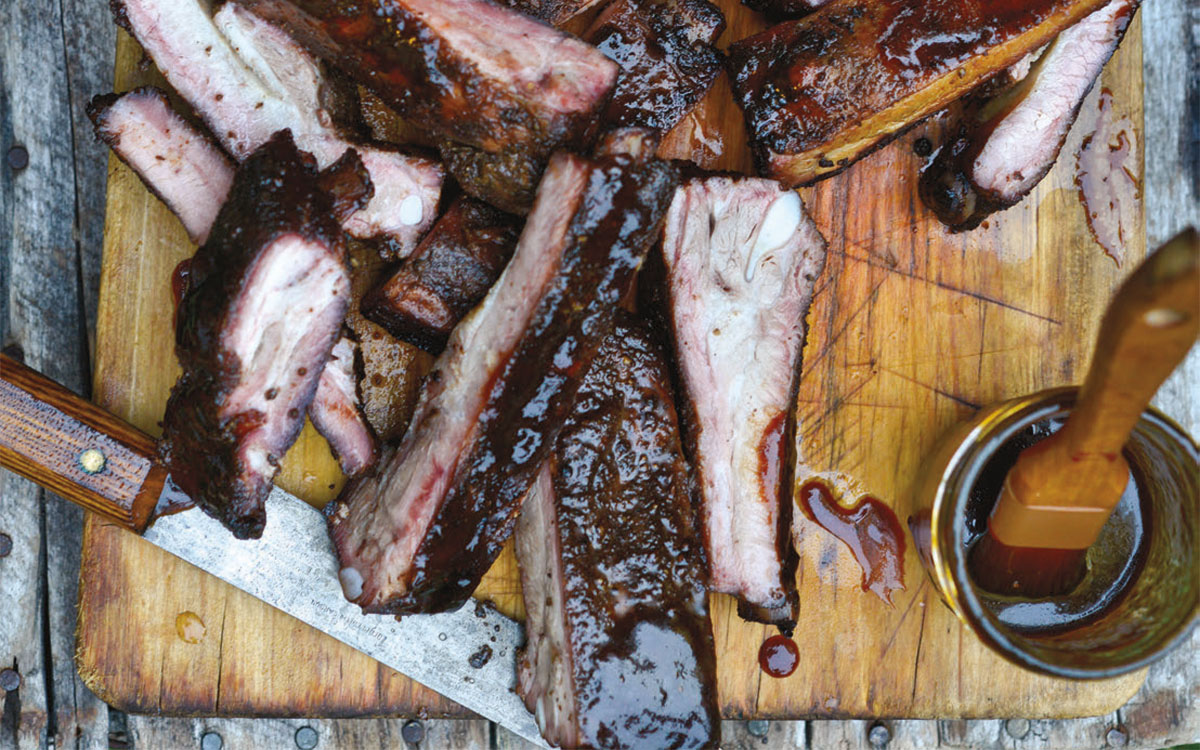
Use a sharp knife to cut the rack into portions or individual ribs.
Master these details, and your next rack of ribs will taste less like guesswork and more like barbecue worth bragging about.
How to Cook Better Ribs: Frequently Asked Questions
Should you remove the membrane from ribs?
Yes. The membrane on the back of the ribs is tough and unpleasant to eat, and it can also keep seasoning and smoke from reaching the meat. Loosen it with the tip of a butter knife, meat thermometer, or similar tool, then grip it with a paper towel and pull it off.
What is the 3-2-1 method for ribs?
The 3-2-1 method means smoking ribs indirectly for about 3 hours, wrapping them in foil for about 2 hours, then unwrapping and finishing them for 30 minutes to 1 hour. Use the timing as a guide, but cook the ribs until they are tender.
When should you sauce ribs?
Sauce ribs near the end of cooking. Barbecue sauce works best as a glaze or lacquer, and it can burn if it goes on too early. For more flavor, brush it on at the end and sear it briefly over a medium-hot fire.
What is the best wood for smoking ribs?
Hickory, apple, and oak are all good choices for smoking ribs. You can use one wood or a blend. The goal is to give the ribs a clean smoke flavor without overpowering the meat.
How do you know when ribs are done?
Look for the meat to shrink back from the ends of the bones by about 1/4 to 1/2 inch. You can also lift the rack with tongs. If the meat starts to separate at the bend, the ribs are tender.