



But there is one cut that’s both simple and easy to cook and it’s absolutely forgiving. Cook it high heat or low, fast or slow, and it almost always comes out tender and juicy. It’s also one of barbecue’s big three. Drum roll, please. I give you pork shoulder, aka Boston butt. (More on the curious name in a minute.)
Pork shoulder is definitely easy. You season it with your favorite barbecue rub (mine is my Carolina Pit Powder). Or even just salt and pepper. You put it on your grill or in your smoker. Hell, you can even cook it on the rotisserie. You can cook it low and slow or hot and fast—with charcoal, wood, propane, or even—shhhh—on an electric grill.
You can cook it in a few hours, or smoke it for half a day, at temperatures ranging from low to medium, and even high. Thanks to its ample marbling and collagen-rich meat, pork shoulder stays juicy while extended cooking turns it tender enough to shred.
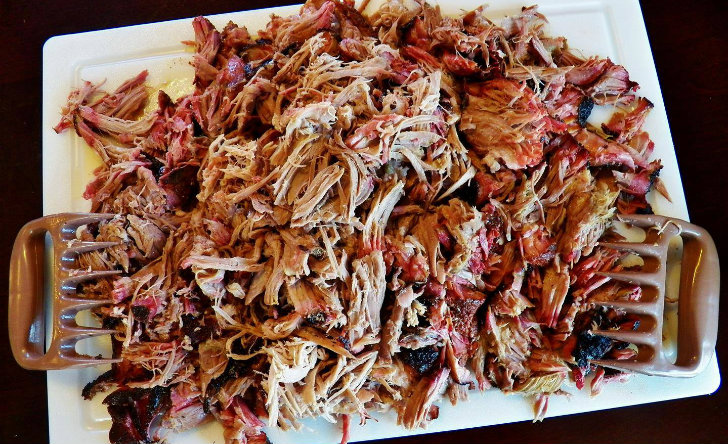
Which brings us to the traditional way to serve pork shoulder in the Carolinas—“pulled,” that is shredded and doused with one of the world’s strangest barbecue sauces. In eastern North Carolina, that sauce consists of vinegar, salt, pepper, and cayenne pepper (sometimes with a whisper of sugar). In western North Carolina, they redden this vinegar sauce with a shot of ketchup.
In South Carolina, pulled or sliced pork is often served with mustard sauce. In Tennessee, you may encounter tomato-based barbecue sauce, while northern Alabama is famous for its mayonnaise-based white sauce.
But American pork shoulder is just a start. In Germany’s Saarland, cooks marinate pork neck or shoulder steaks with onions and spices, then grill them over a traditional beechwood fire on a swinging grate called a schwenker. In Greece, they perfume it with oregano, paprika, and pepper. In Bali, they blast it with ginger, galangal, lemongrass, and fiery chilies. The truth is pork shoulder is so easy to prepare and forgiving to cook, you can season it with almost anything.
Just the Facts About Pork Butt
- A whole pork shoulder (14 to 18 pounds) consists of two parts—the Boston butt and the picnic shoulder (also known as the picnic ham). The former is the top part of the shoulder—5 to 8 pounds of rich, luscious meat, with only a shoulder blade to stand in the way of your carving knife. (When properly cooked, which is to say overcooked, you can pull said bone out with your fingers.)
- The picnic ham is the bottom part of the shoulder, including the top of the leg. The drawback of a picnic ham is its high proportion of skin and bone to meat, which is why I prefer Boston butt. So if Boston butt comes from the shoulder, not the posterior, how did it get its curious name? In ancient times, New England butchers packed salted pork shoulders in barrels, aka “butts.”
- When I started out in barbecue, pork was pretty much just pork. Today, connoisseurs choose heritage breeds like Berkshire, Duroc, and Mangalitsa. Berkshire (sometimes sold by its Japanese name, Kurobuta—literally “black pig”), for example, boasts richly flavored, well-marbled, dark-pink meat that makes commodity pork taste downright bland.
- Most of the pork shoulder you buy today comes with the skin removed. Otherwise, trim it off with a paring knife and deep-fry it to make cracklings. (Prolonged grilling or smoking makes the skin leathery.)
- Pork is safe to eat at 145°F followed by a three-minute rest, but pork butt usually needs to reach approximately 195°F to 205°F before its connective tissue has softened enough for easy pulling.
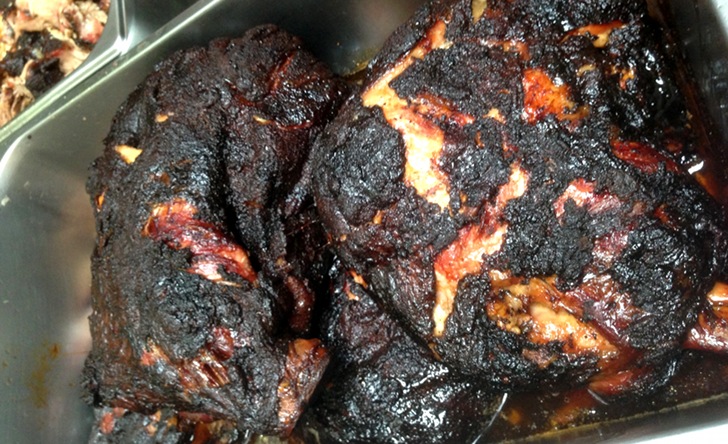
- Chase the smoke ring. Smoke a pork shoulder low and slow in the presence of wood smoke, and you wind up with a pink ring just below the surface—the coveted smoke ring. No, it doesn’t mean that the meat is undercooked. The pigmentation occurs naturally—think of it as the red badge of barbecue honor.
- Finally, the traditional way to serve pork shoulder in the American South is chopped with a cleaver or shredded with meat claws or your fingers. Elsewhere on Planet Barbecue, pork shoulder—particularly boneless shoulder—is served sliced.
4 Pork Butt Recipes to Try Right Now
North Carolina Pulled Pork
Start with the American classic: pork shoulder seasoned simply with salt, pepper, and paprika, then smoke-roasted over hickory until tender enough to pull apart with your fingers. A thin, sharp vinegar sauce keeps the meat moist without overwhelming the smoke. Serve it piled on a bun with vinegar-dressed cabbage for the full North Carolina experience.

Get The Recipe »
3-2-1 Pork Shoulder
You know the 3-2-1 method for ribs. Here, the same idea turns a pork shoulder into pulled pork in three stages: three hours in the smoke, two hours tightly wrapped, and one final hour unwrapped to firm the bark. The result is smoky, crusty, and tender, with a cooking time that’s easy to remember. Serve it with horseradish poppy seed slaw and chipotle molasses barbecue sauce.

Get The Recipe »
Whiskey-Brined Pork Shoulder
This pork shoulder gets a 24-hour bath in a brine of whiskey, brown sugar, and salt before it ever reaches the smoker. Once the smoke has built a dark exterior, the pork is transferred to a pan with apple cider and another splash of whiskey to finish by smoke-braising. The result is moist, tender pork with a subtle sweetness and unmistakable whiskey character.

Get The Recipe »
Korean Pulled Pork
Pulled pork takes a trip to Seoul in this sweet, salty, spicy, and umami-rich variation. The shoulder marinates in gochujang before being smoked until dark and crusty, then gets pulled and mixed with Korean barbecue sauce. Pile it onto sesame buns and top it with kimchi, sriracha, or sweet chili sauce. This is pulled pork with serious firepower.

Get The Recipe »
Frequently Asked Questions
Is pork butt the same as pork shoulder?
Pork butt is one part of the pork shoulder. A whole shoulder consists of the Boston butt at the top and the picnic shoulder below it. The Boston butt contains more intramuscular fat and less skin and bone, making it the preferred cut for pulled pork. Recipes and meat counters often use the names pork butt, Boston butt, and pork shoulder interchangeably, so check the label or ask your butcher when in doubt.
What temperature should pork butt reach for pulled pork?
Pork is safe to eat at 145°F followed by a three-minute rest, but that doesn’t mean a pork butt is ready to pull. For tender, easily shredded pork, cook it to an internal temperature of approximately 195°F to 205°F. The thermometer is only part of the test: The shoulder blade should pull out easily, and a thermometer probe should slide into the meat with little resistance.
How long does it take to barbecue a pork butt?
Cooking time depends on the size of the pork butt, the temperature of your grill or smoker, and whether you wrap the meat. A smaller shoulder cooked at 275°F to 325°F may be ready in four to six hours, while a larger one smoked low and slow can take eight hours or more. Cook to tenderness and internal temperature, not strictly by the clock, and leave extra time for resting before pulling.
Plan your next cook with our full recipe collection—weeknight grills, weekend projects, and special-occasion feasts.
Get Steven’s weekly grilling tips, seasonal recipes, and live-fire ideas in your inbox. Join our Up in Smoke newsletter. Sign up and get a FREE PDF of Steven Raichlen’s Best Ribs Recipes Ebook.
Preorder Man On Fire — A Steven Raichlen Memoir. And get some really cool rewards!
Looking for more summer grilling inspiration? Check out our Summer Grilling Guide.