



This post contains affiliate links.
If you know that feeling, you know it isn’t really about the number on the scale. It’s your favorite jeans not zipping. It’s avoiding photos, or standing in the back of them. It’s being tired in a way sleep doesn’t fix. It’s wondering when you became a stranger in your own body — whether you’re in the thick of it with little ones, or your kids are grown and your body’s changing again for reasons that have nothing to do with what you eat.
Different seasons, same exhausting question: how do I take care of myself when there’s nothing left at the end of the day? For me, the answer wasn’t a magic ingredient or a diet overhaul — it was weight loss smoothies. Specifically, one three-minute smoothie that kept me full until lunch. That’s the whole secret.
Why Smoothies Help You Lose Weight
Every diet I tried as a new mom failed for the same reason: it asked for time, energy, and willpower I didn’t have at 6:45am or at that 2pm crash. A smoothie takes less than five minutes, needs zero cooking skill, and tastes like a treat — so I actually stuck with it. I started blending one every morning during my 21-Day Cleanse, and the habit held because it was easy, not because I found sudden discipline.
Here’s what they do well:
- Fiber keeps you full. Fruit (banana, strawberries, oranges) plus leafy greens (spinach, kale, chard) digests slowly — no 10am raid on the snack cabinet.
- Protein makes it a meal. Add a scoop of protein powder and a fruit drink becomes something that holds you 3–4 hours.
- Portion control is automatic. You measure once, into the blender for smoothies, before you’re hungry and negotiating with yourself.
- They crowd out the junk. Start the day nourished and you crave better food all day — the more good stuff goes in, the less room for Goldfish. (Ask me how I know.)
What makes a smoothie good for weight loss?
Look for 15–20g protein, 8–10g fiber, no added sugar, and ideally under 350 calories. Protein and fiber slow digestion, which is what keeps you full for hours instead of minutes.
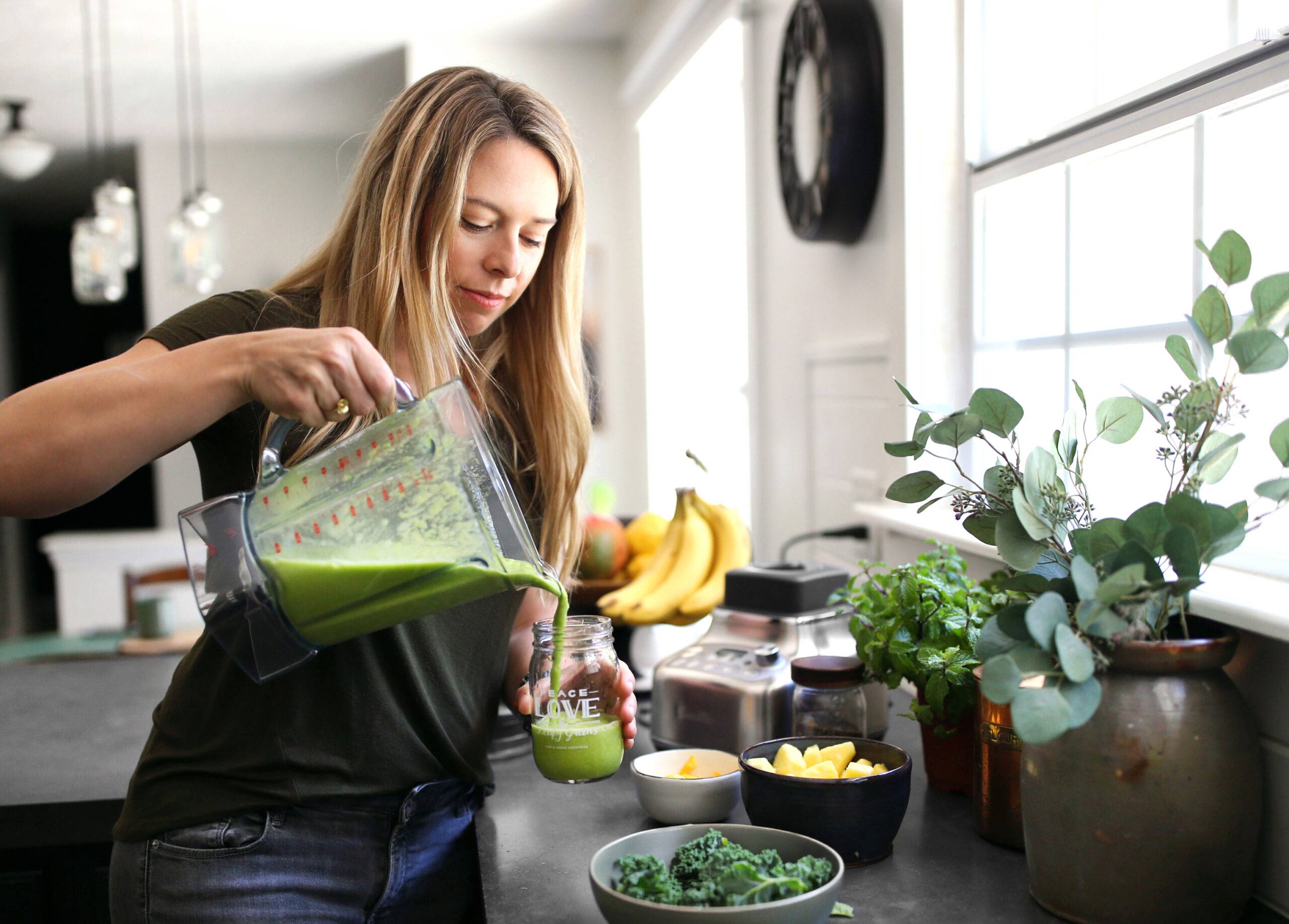
Best Weight Loss Smoothie Recipes
Every smoothie below is built on that same formula for losing weight, and I’ve labeled each one with protein, fiber, and calories so you can see at a glance which ones will carry you the longest. Start with the highest-protein ones if you’re replacing a meal, and the lighter ones for snacks.
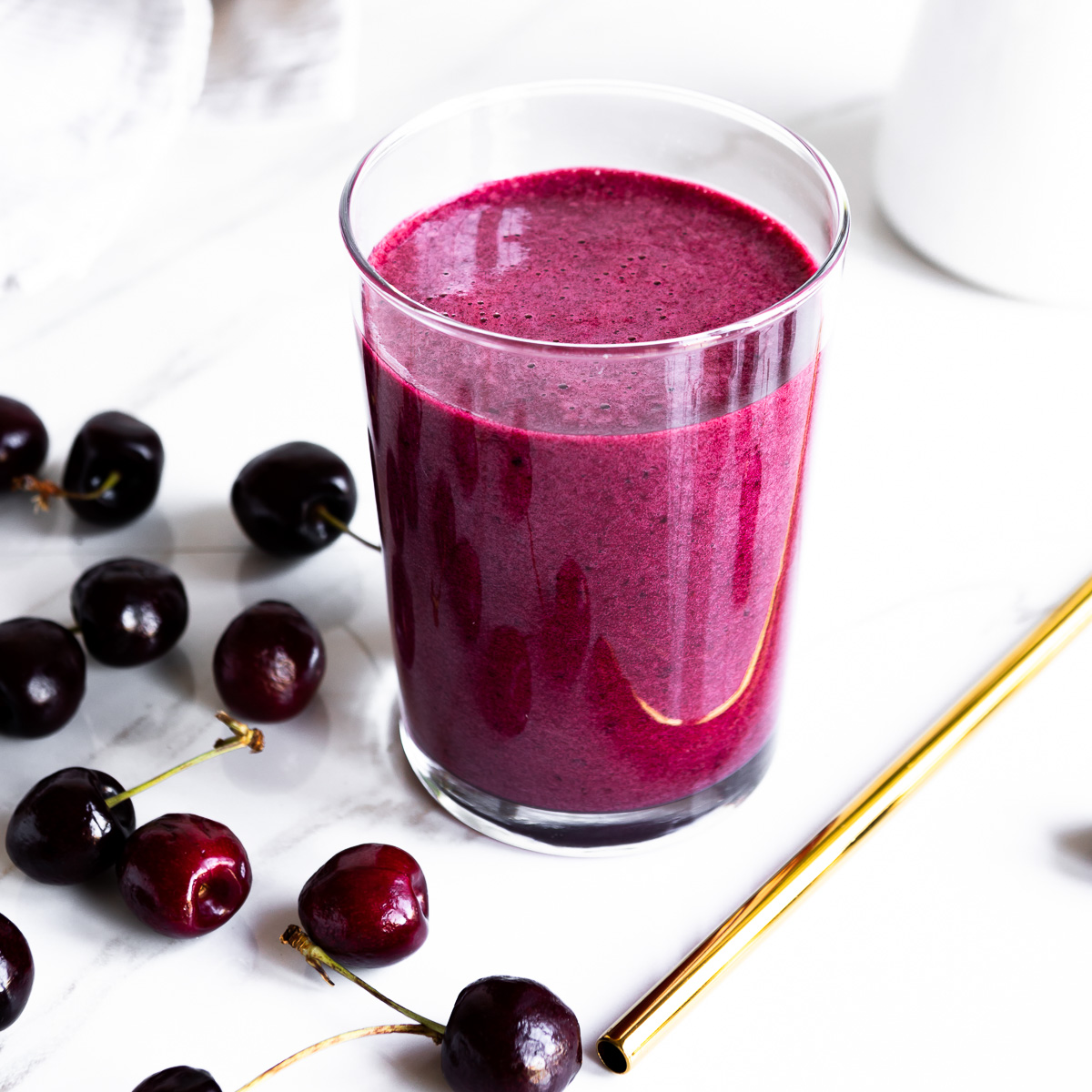
Get Recipe
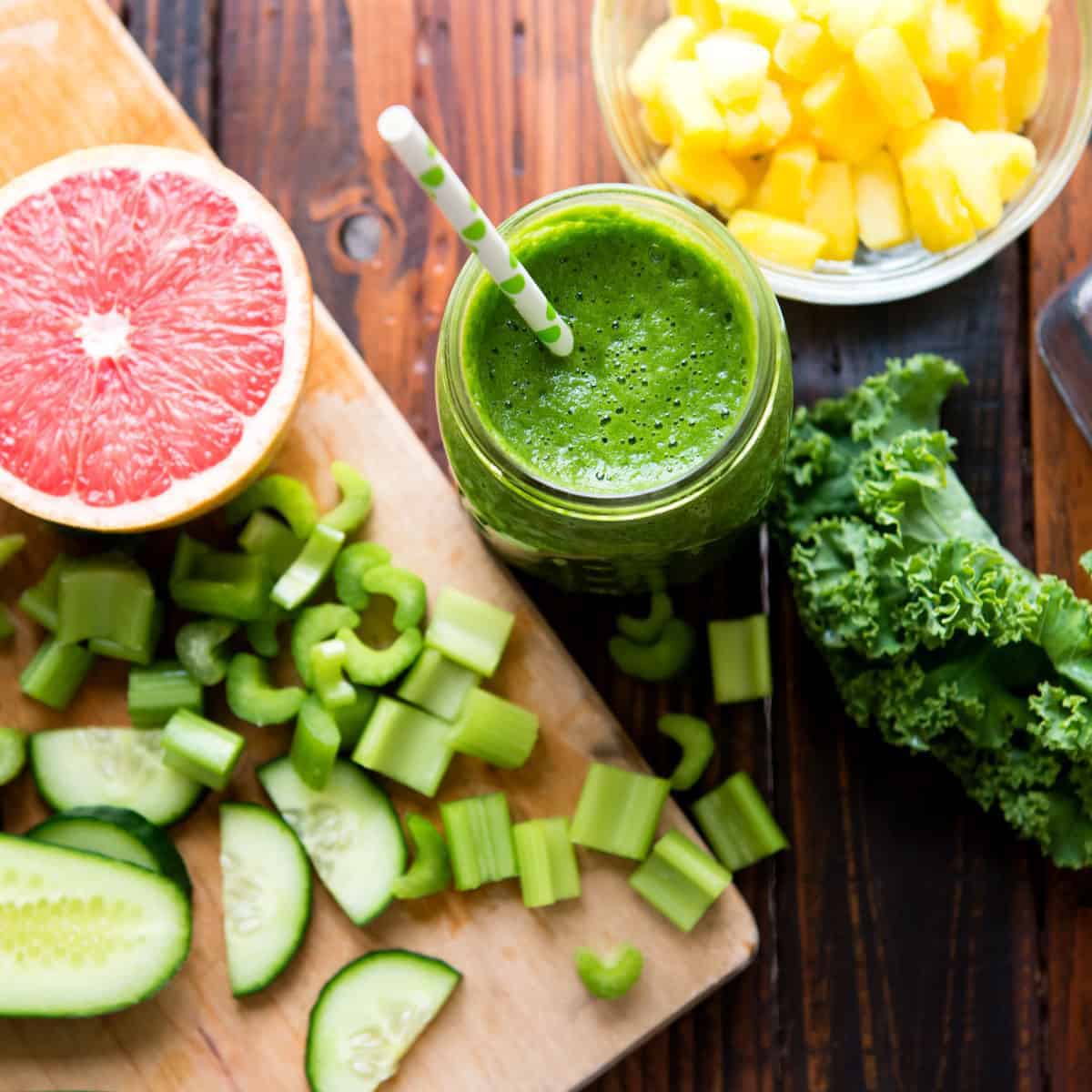
This fat-burning smoothie blends sweet pineapple with fiber-rich kale and celery to satisfy your tastebuds, promote fullness and help boost your metabolism.
Get Recipe
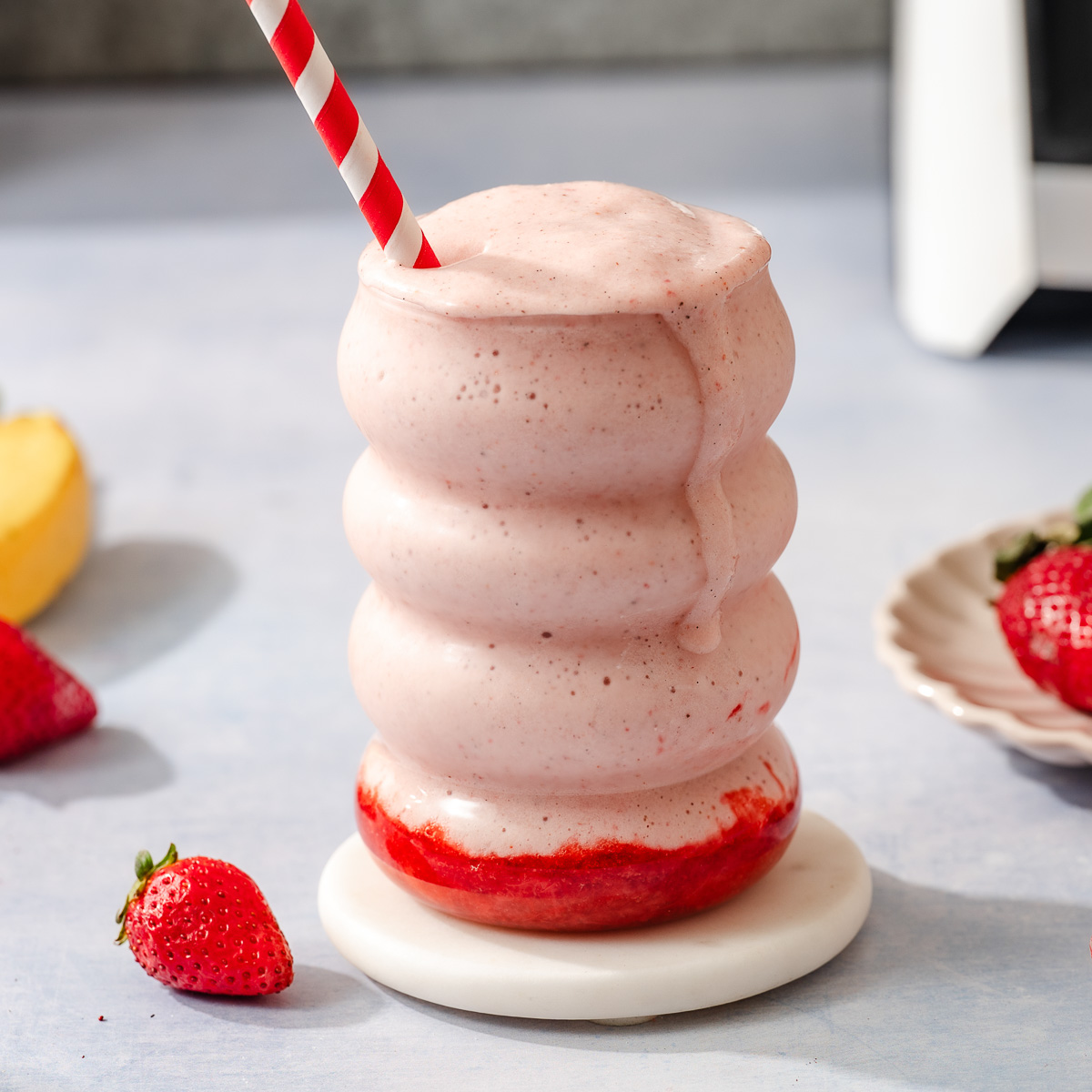
Get Recipe
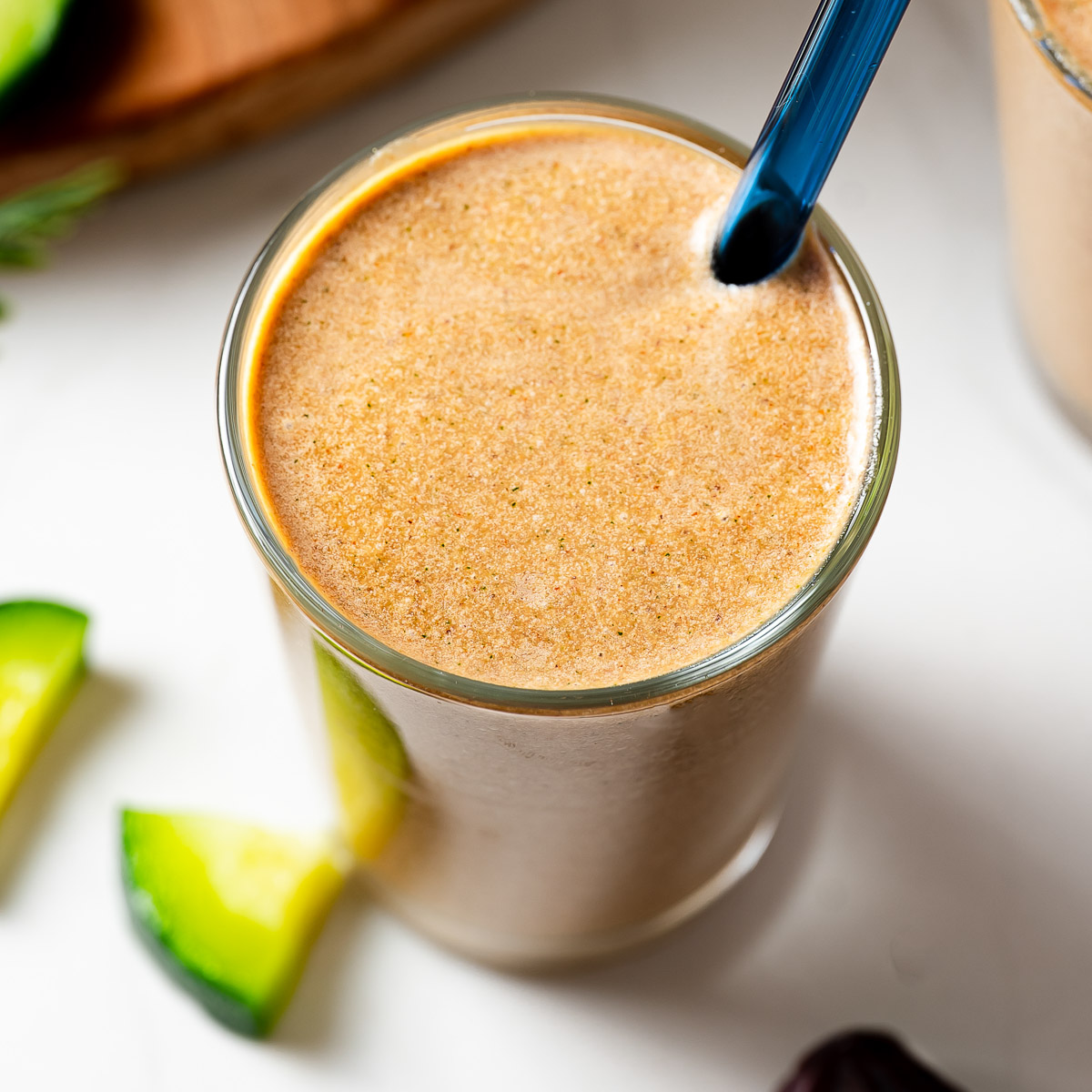
Get Recipe
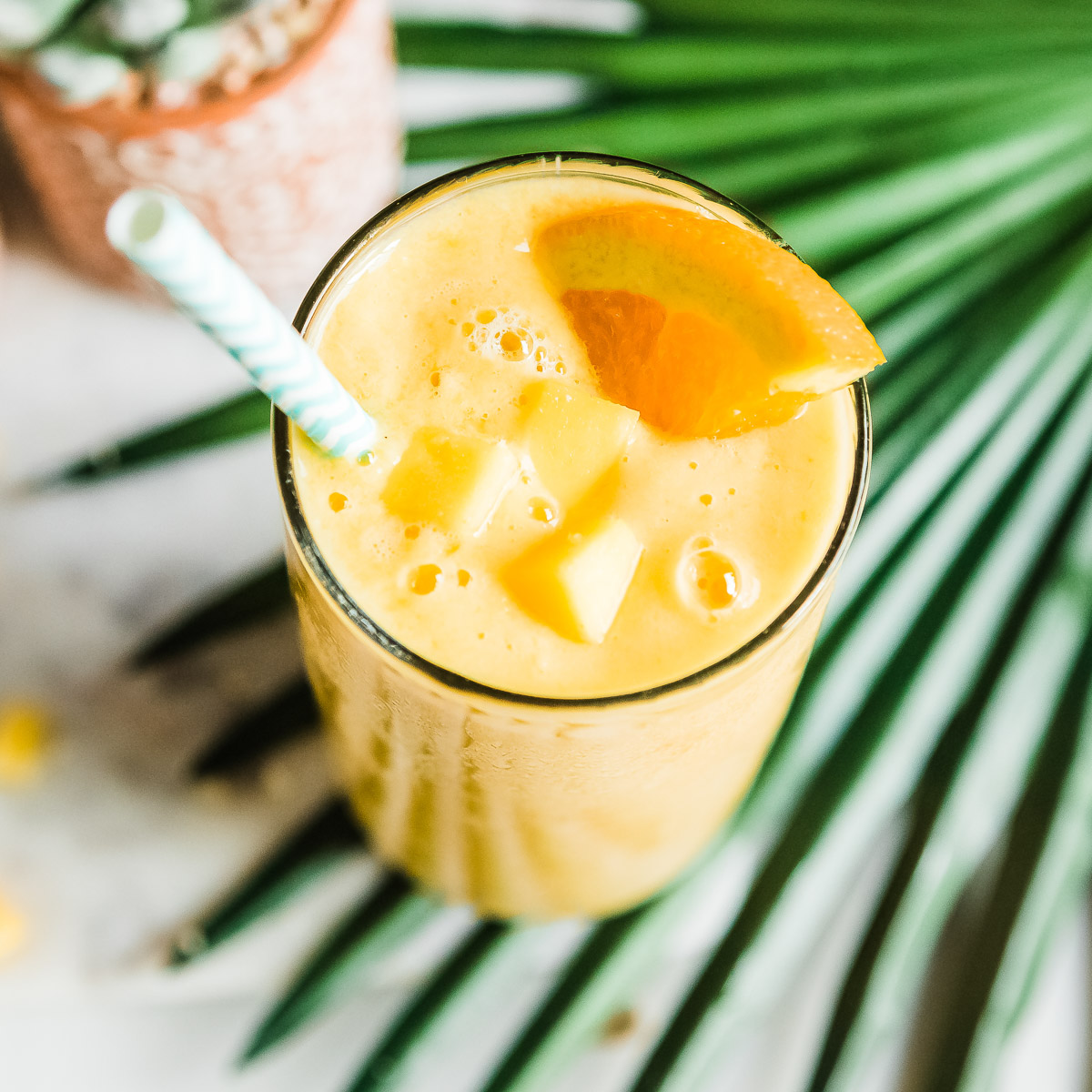
Get Recipe
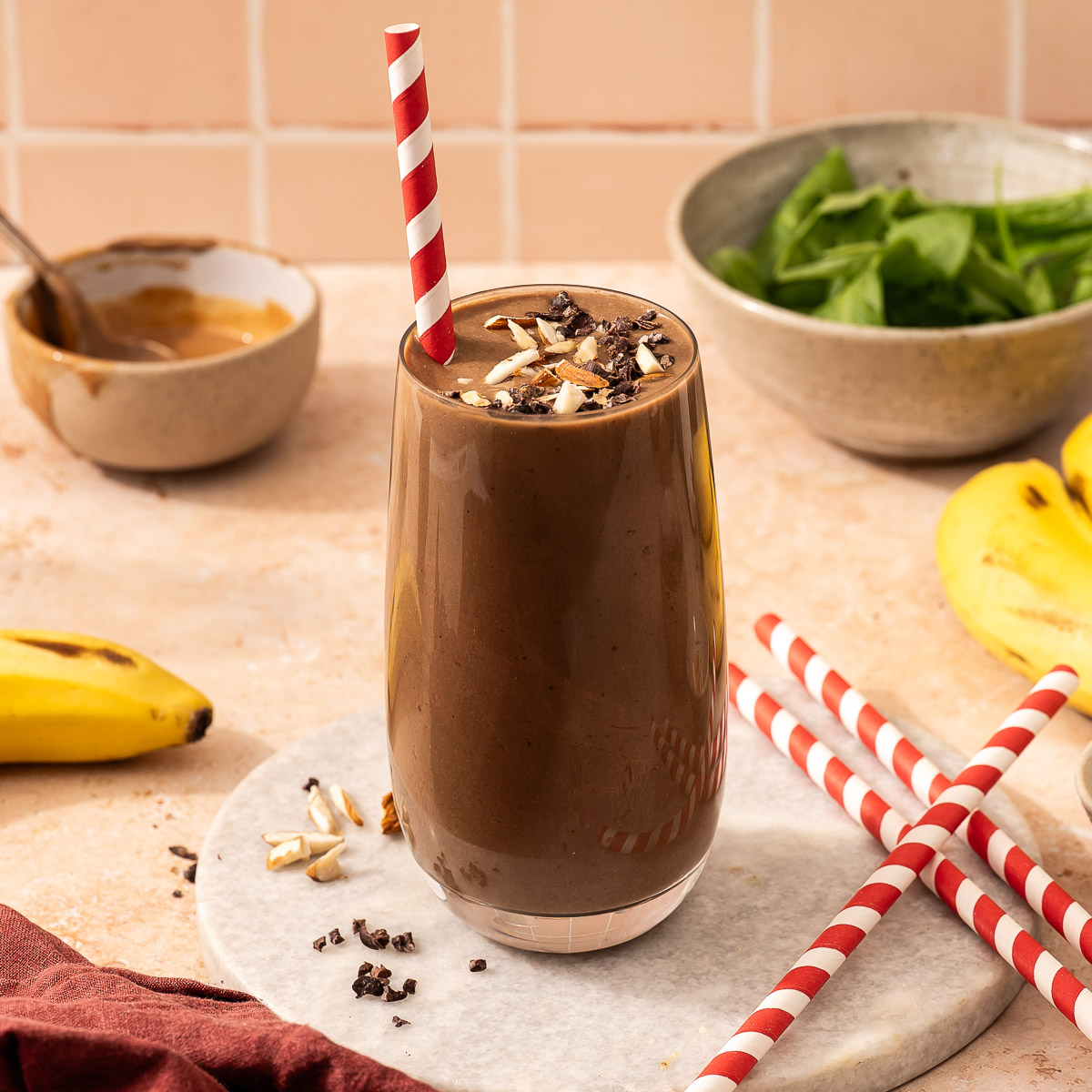
Get Recipe
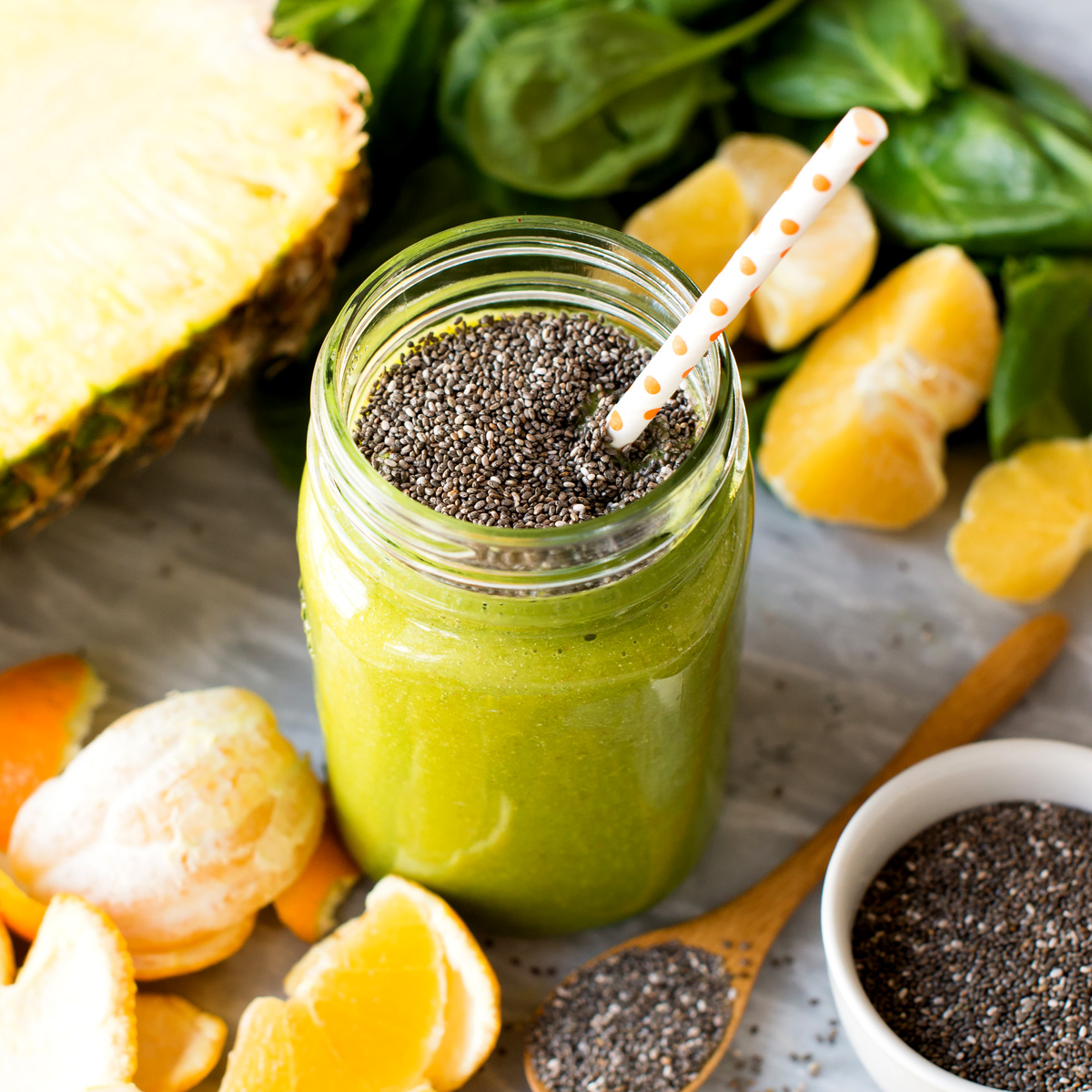
Get Recipe

Get Recipe
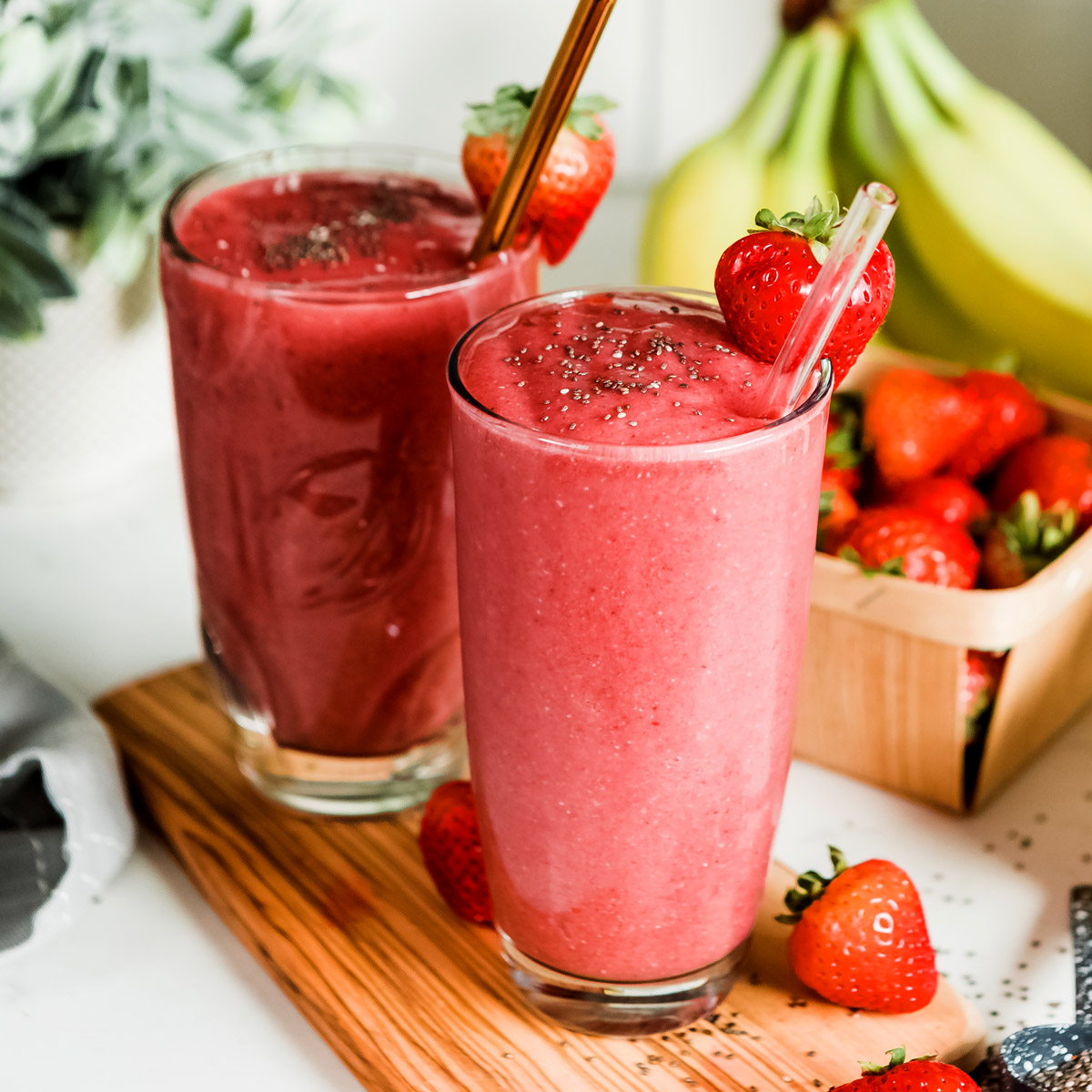
Get Recipe
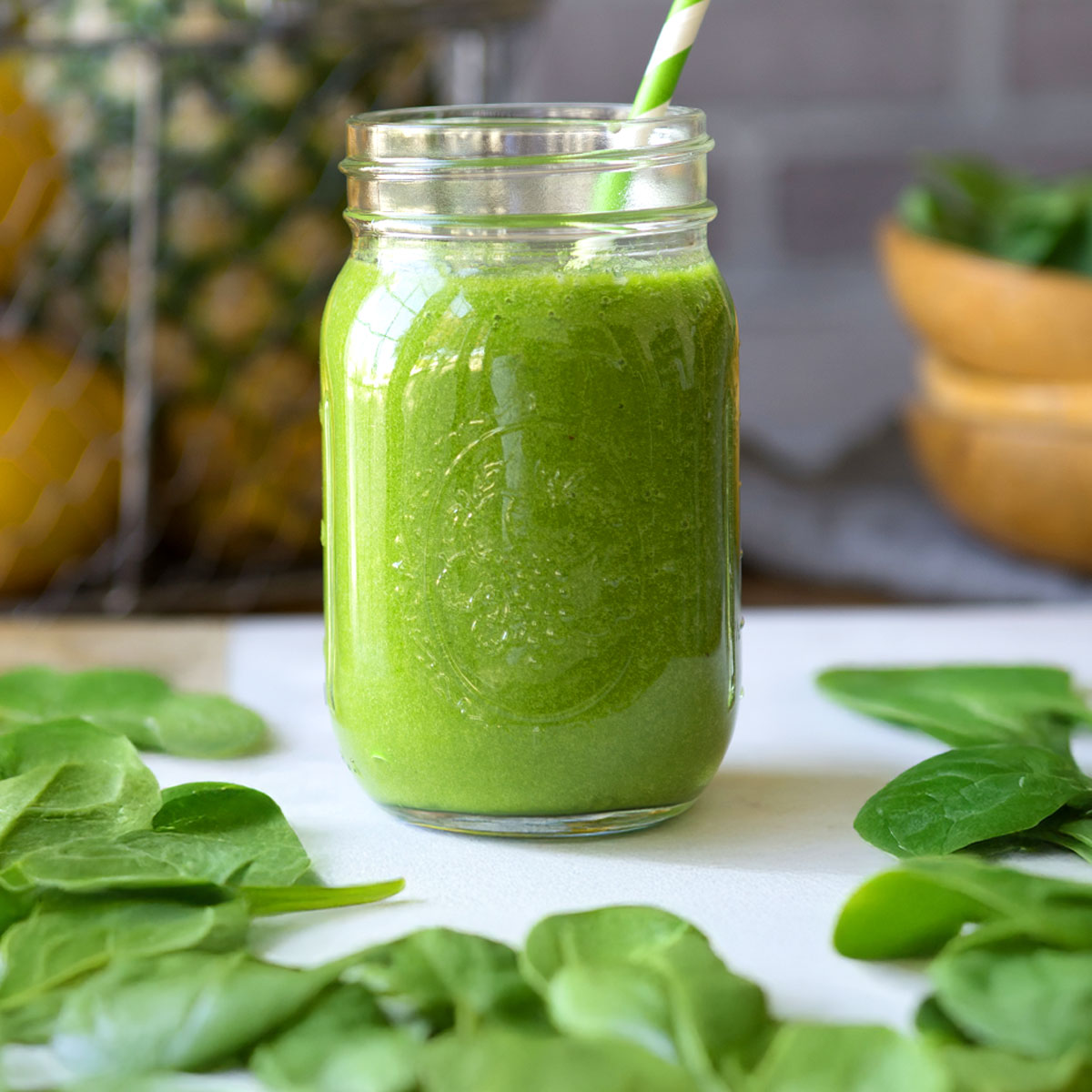
Get Recipe
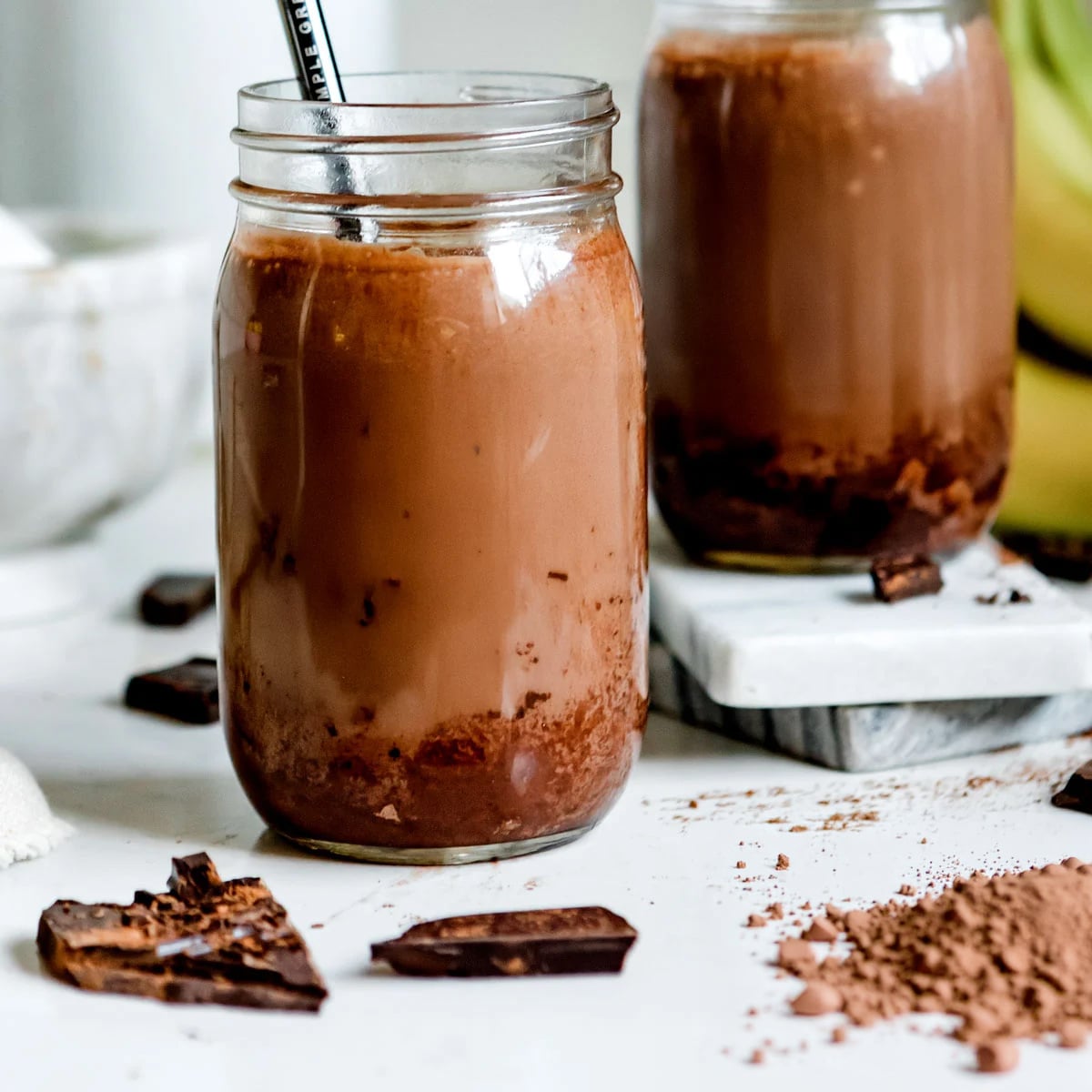
Get Recipe
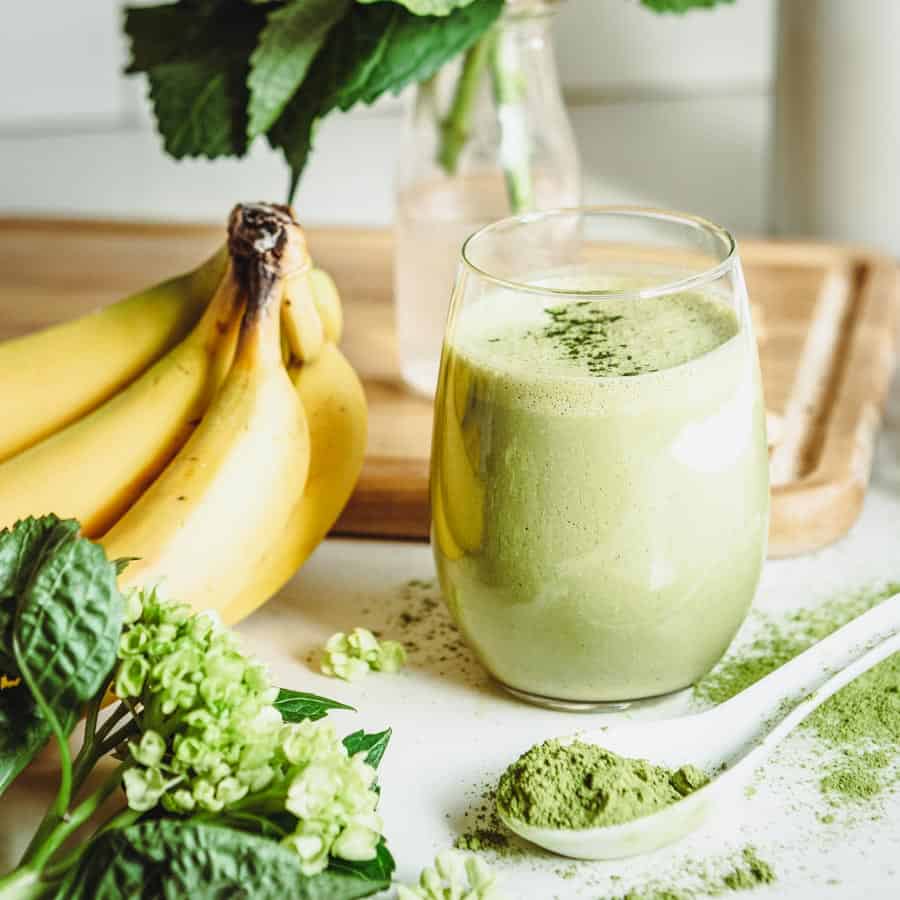
Get Recipe
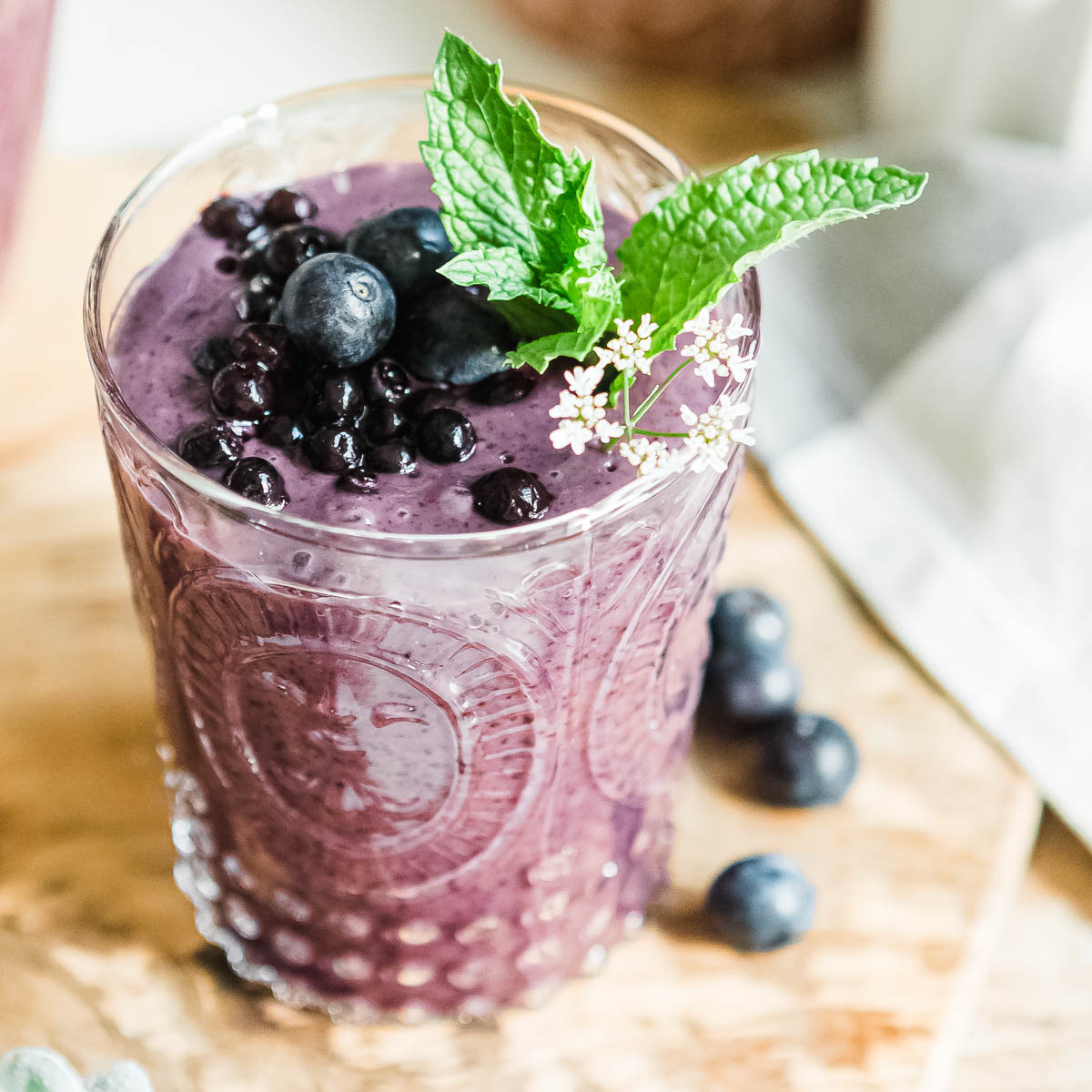
Get Recipe
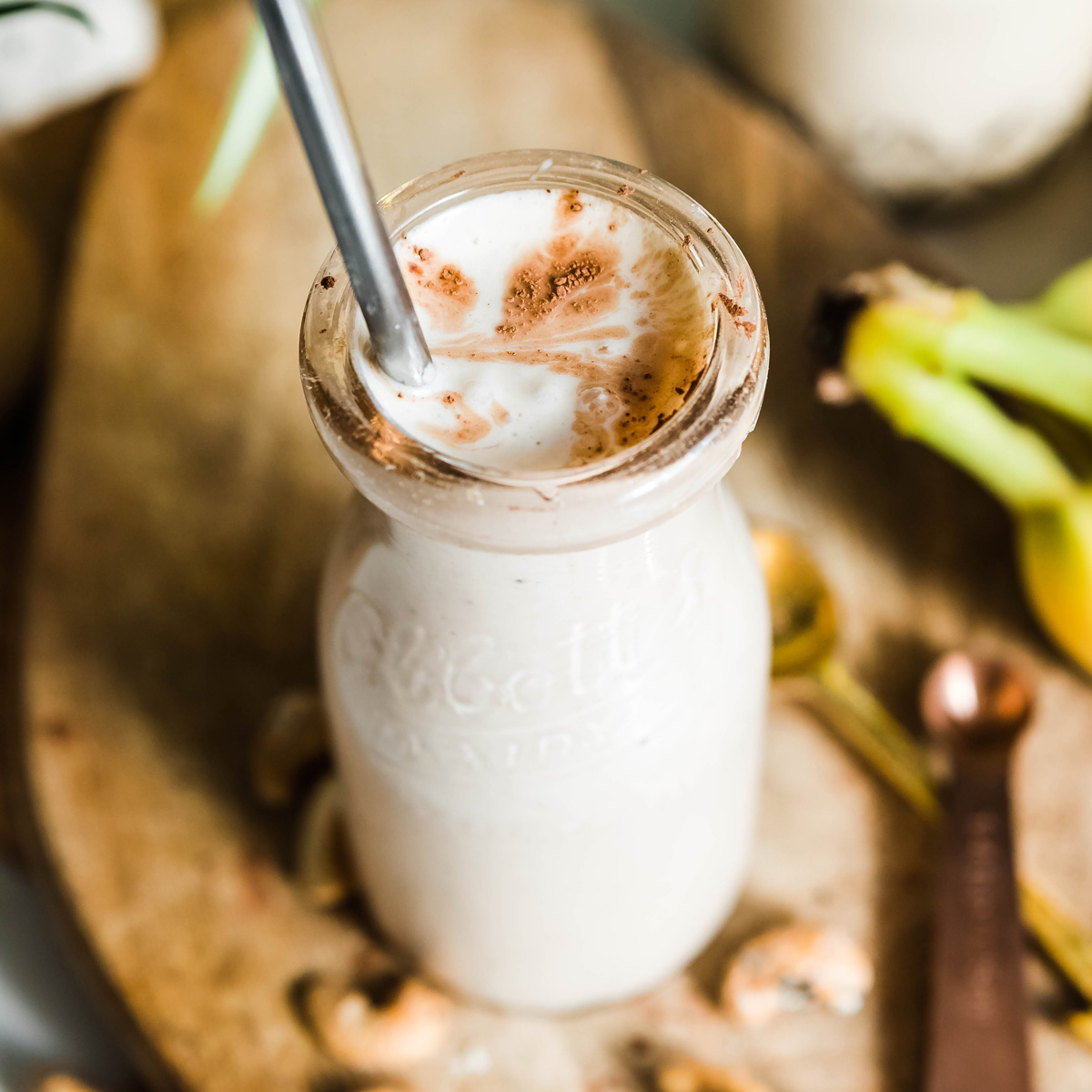
Get Recipe
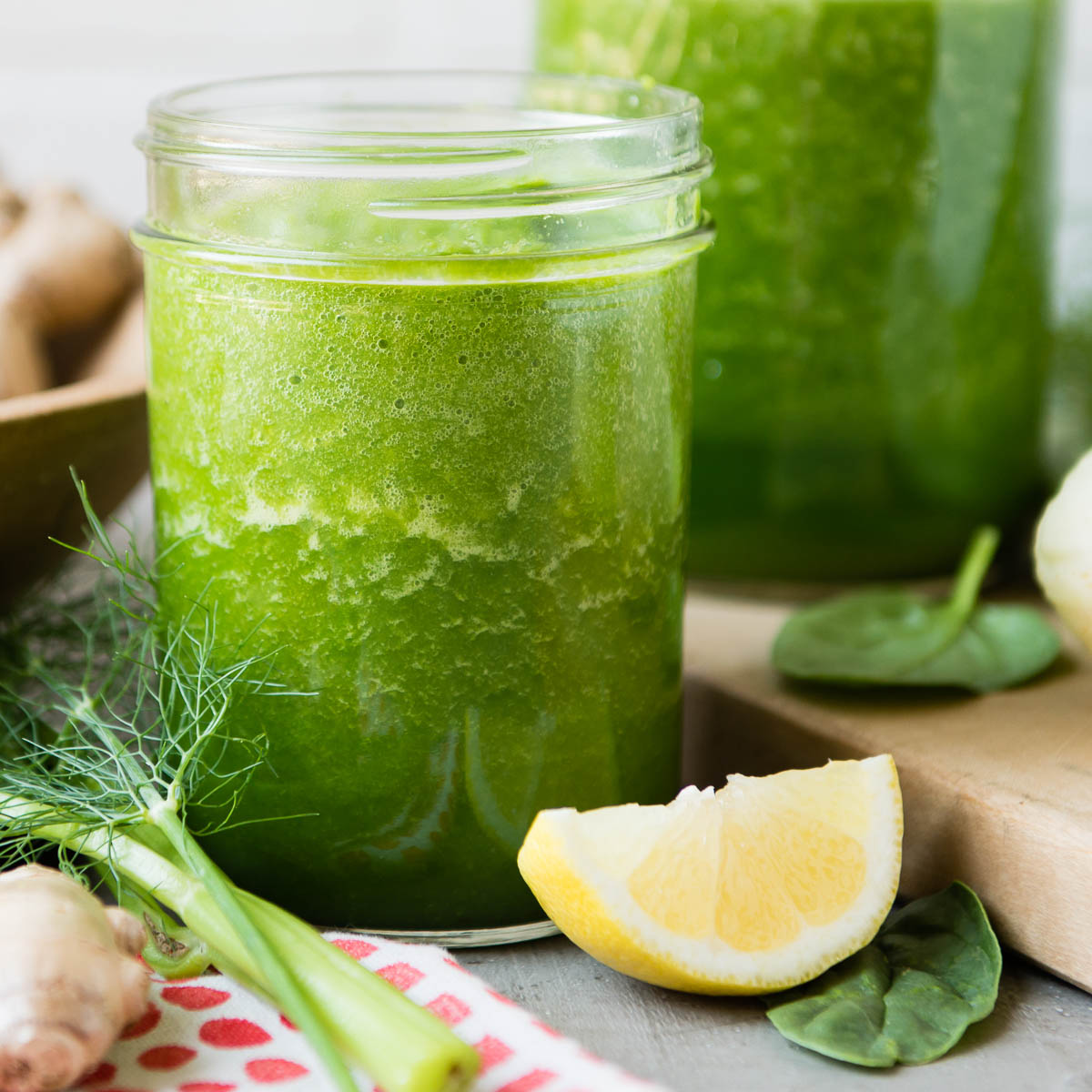
Get Recipe
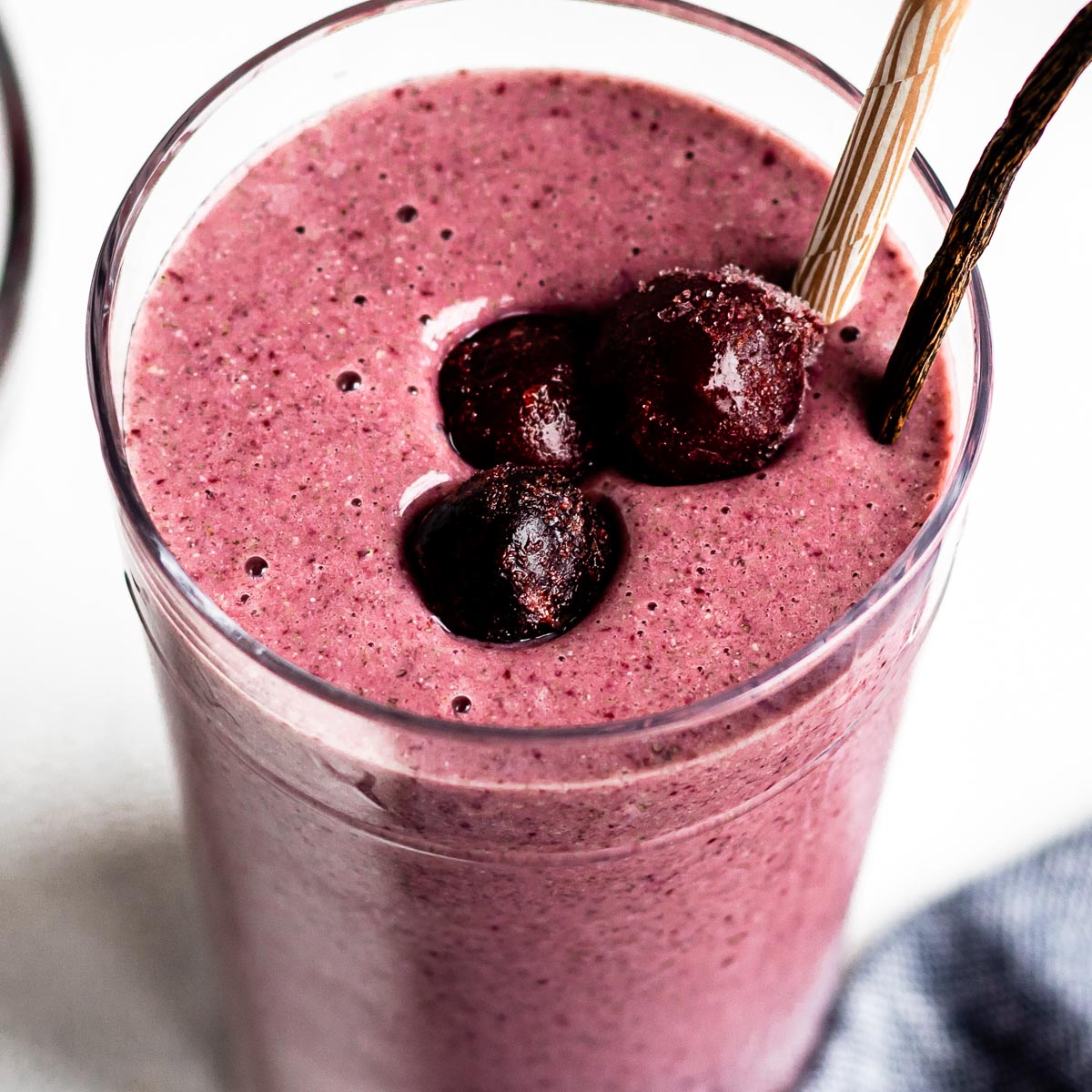
Get Recipe
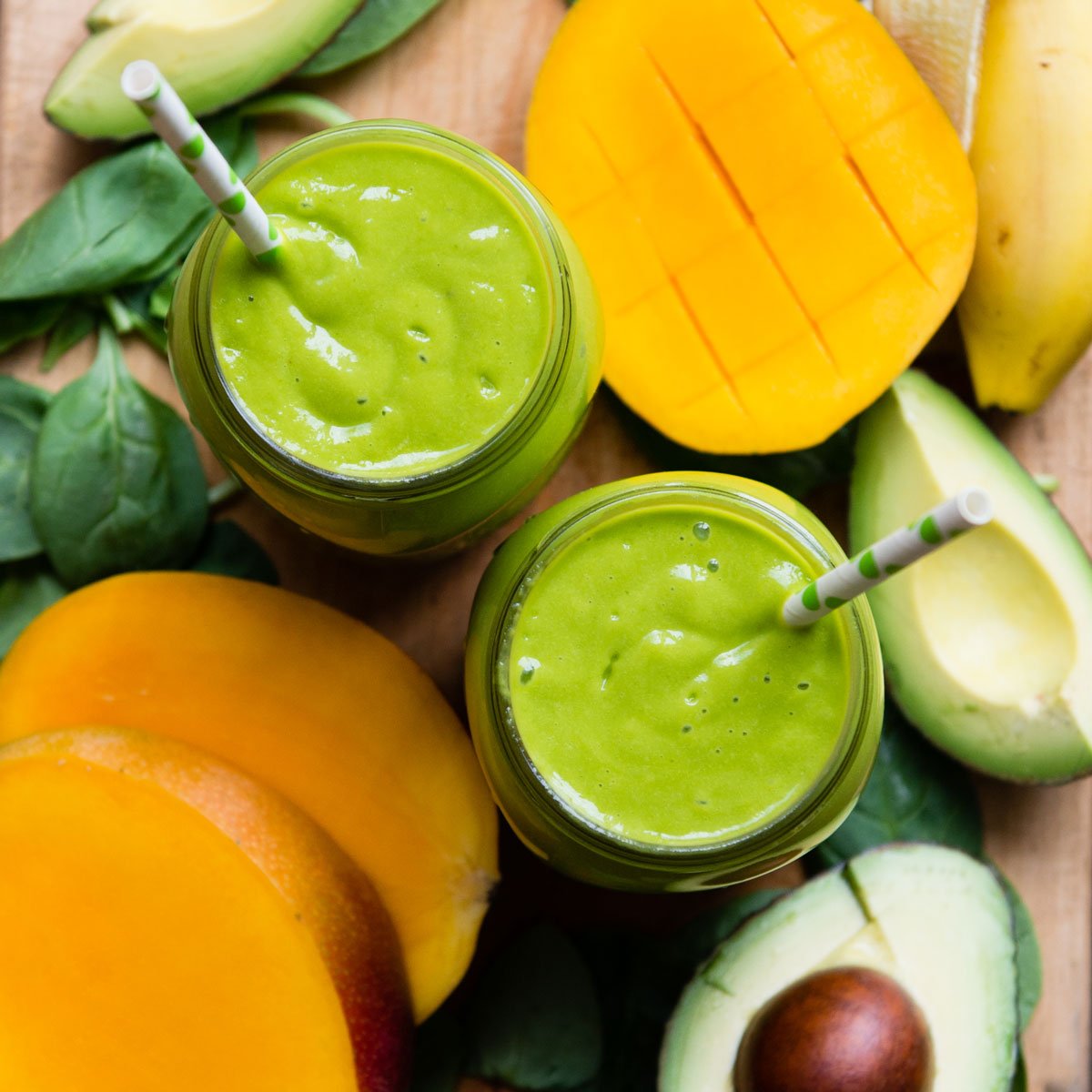
Get Recipe
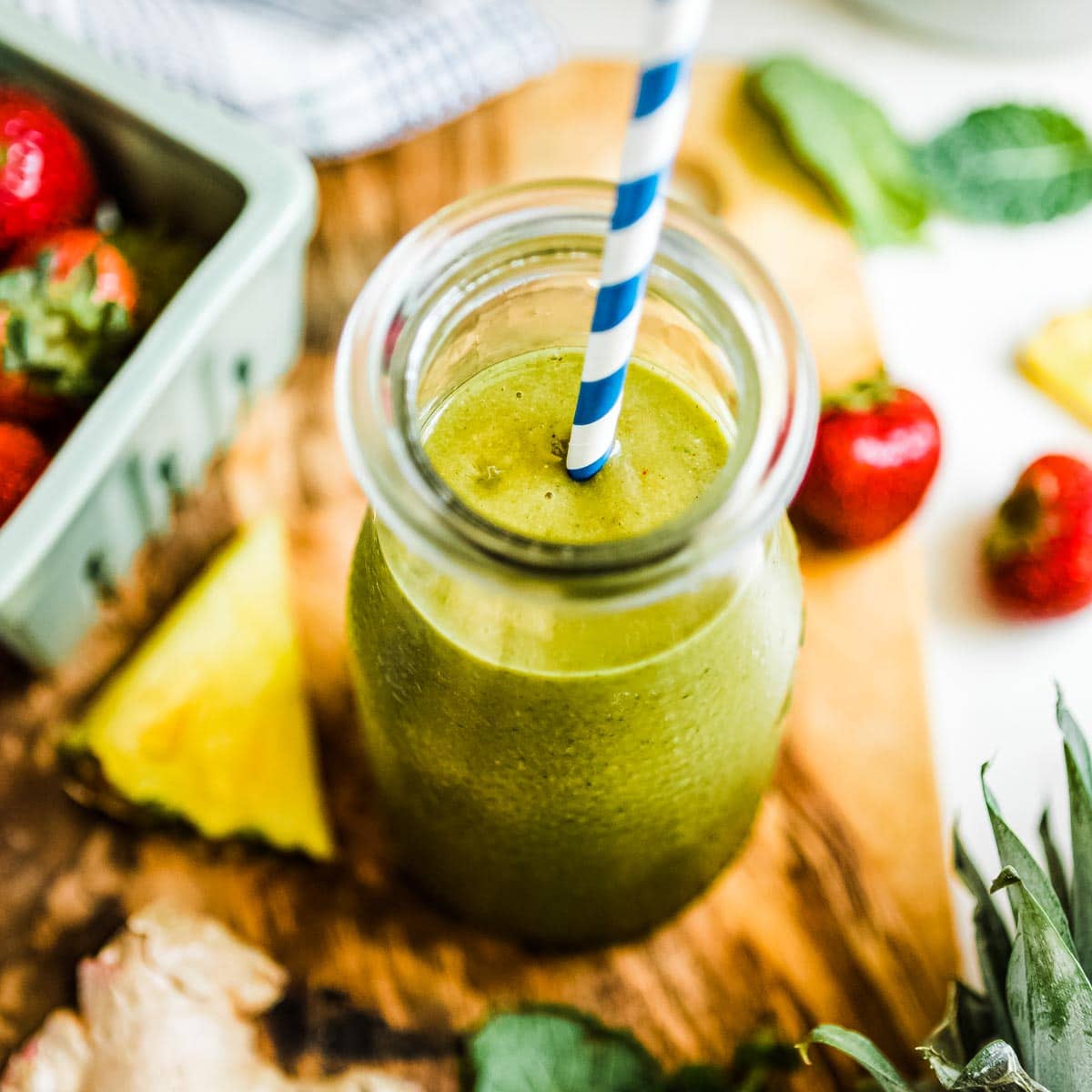
Get Recipe
Enter your info below and I’ll send this one straight to your inbox to have for later.
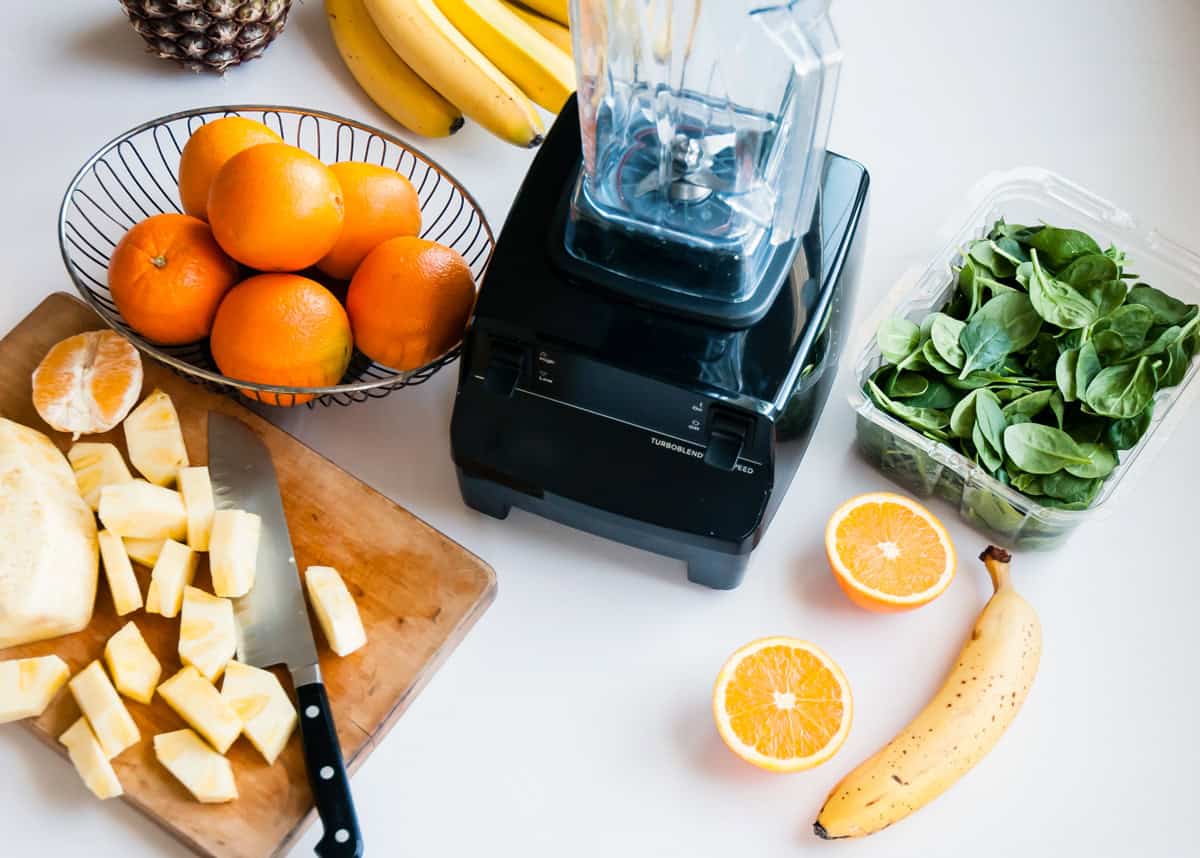
Weight Loss Ingredient Combinations
I still lean on these combos all the time for smoothies. They’re tasty, they fill you up, and they make it easier to eat lighter without feeling deprived. For a busy mom, that’s the real win.
- Banana + protein powder: Banana gives you natural sweetness and creaminess without needing extra sugar, and protein powder is what actually keeps you full for hours, not just minutes. Great after a workout or on mornings I know I won’t eat again until lunch.
- Green apple + nut butter: Apples have pectin, a fiber that helps you feel full. Nut butter adds healthy fat that keeps you satisfied longer and helps your body absorb vitamins.
- Avocado + kale: Creamy avocado plus vitamin-rich kale turns a green smoothie into something that feels like a real meal, not just a salad in a cup.
- Berries + chia seeds: Berries bring natural sweetness and fiber, while chia seeds soak up liquid and add a little protein. Together they keep you full and steady instead of crashing an hour later.
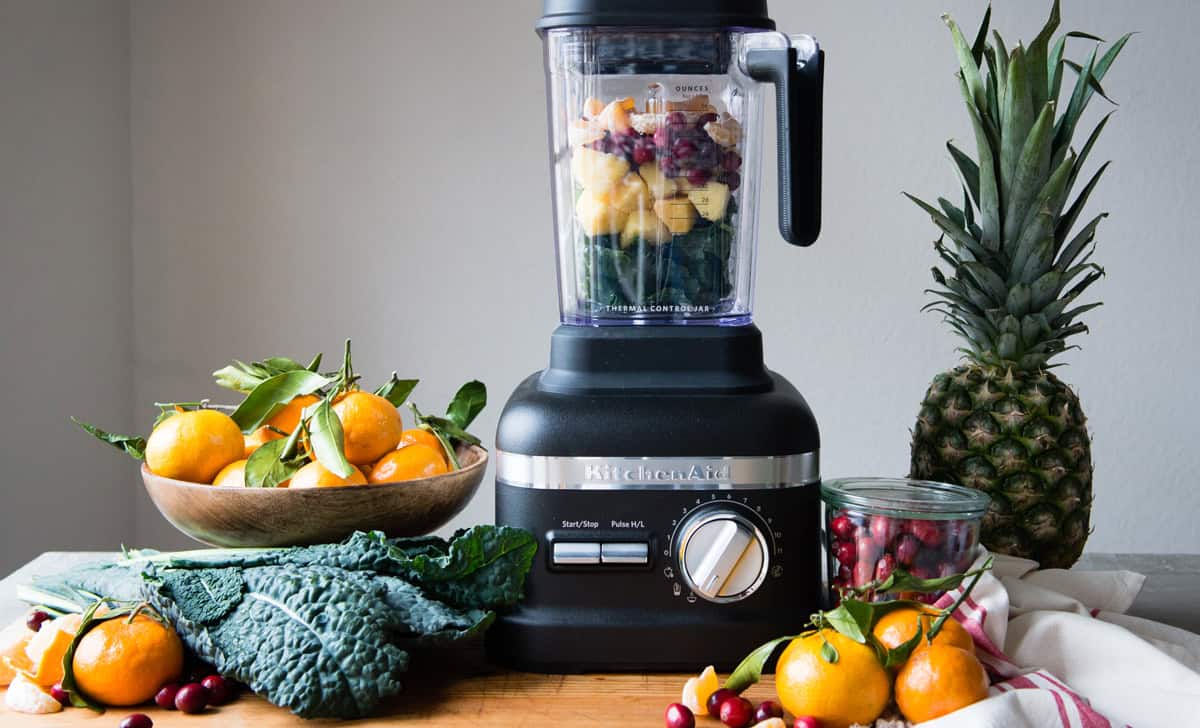
On a GLP-1 medication? Smoothies fit right in
First: no judgment here — tools are tools, and I’m cheering for you however you get healthy. If you’re using Ozempic, Wegovy, Zepbound, or another GLP-1 medication, your care team has probably already told you to prioritize protein and fiber.
Smoothies are one of the easiest ways to do both when your appetite is small: start with the highest-protein recipes above, try a 1 cup portion instead of a full glass, and skip anything too rich on queasy days.
Common Questions
Yes — when a smoothie replaces a meal rather than adding to it. Aim for 15–20g of protein, 8–10g of fiber, no added sugar, and an unsweetened liquid base so it keeps you full like a real meal.
Build it in five parts: leafy greens, a protein source (Greek yogurt, silken tofu, or plant protein), a fiber booster (chia, flax, or oats), whole fruit for sweetness, and unsweetened liquid. That formula keeps you full for hours — no exotic ingredients required.
A good smoothie with protein, healthy fat, and whole-food carbs is a great combo for a healthy snack or meal that can promote weight loss. These weight-loss smoothies contain a variety of spinach, mint, celery, green tea, grapefruit, pineapple, and avocado.
Consistency is the whole game, and a daily meal-replacement smoothie is one of the easiest habits for a busy person to keep. Swap it for your most snack-prone meal — for most of us that’s breakfast — and give it a few weeks.
Juicing and blending can both help with weight loss, yet only one is sustainable for the long run: smoothies. We believe committing to drinking 1-2 smoothies as a meal replacement is the most effective way to hit your weight loss goals and maintain them for life.
Yes, fruit smoothies can be great for weight loss when made with whole fruits instead of fruit juices. Whole fruits contain fiber, which helps slow digestion, keeps you full longer, and prevents blood sugar spikes. In contrast, fruit juices strip away fiber, leaving mostly sugar, which can lead to energy crashes and increased hunger. For a weight-loss-friendly smoothie, use whole fruits, balance with protein and healthy fats, and avoid added sugars.
Smoothies that support weight loss are packed with fiber, healthy fats, and metabolism-boosting ingredients. Look for recipes with whole fruits, leafy greens, protein, and ingredients like green tea, grapefruit, and avocado to help burn fat and keep you full. Avoid added sugars and fruit juices, which can spike blood sugar and lead to cravings. Check out my #1 fat-burning smoothie recipe below for a delicious, weight-loss-friendly option!
Absolutely — swap in orange, clementine, or tangerine and it’s just as delicious. This is an important one: several medications (including some statins and blood pressure meds) don’t mix with grapefruit, so if your pharmacist has flagged it, skip it without a second thought. The fiber and protein are doing the heavy lifting in this smoothie anyway — no single ingredient makes or breaks it.
Usually one of three things: the smoothie is added on top of meals instead of replacing one, it’s fruit-heavy with little protein, or portions crept up (nut butter counts — I learned that one the hard way). Compare what you’re blending against the gram labels on the recipes above.
At least 15–20g, and 25–30g if it’s a full meal replacement. Greek yogurt, cottage cheese, kefir, and silken tofu get you there without protein powder.
Generally yes — small, protein-and-fiber-dense smoothies suit reduced appetites well, and the fiber helps with the constipation many GLP-1 users experience. Your health care team’s guidance comes first; see the GLP-1 section above for how to adapt the recipes.