



Leave a Comment
Published: 1/3/26
This post may contain affiliate links. Please read our disclosure policy.
If you have ever ordered beef broccoli from a Chinese restaurant or spotted those little green trees at the grocery store, you already know what broccoli looks like. But there is so much more to this vegetable than most people realize. It is one of those ingredients that can go from boring to absolutely delicious depending on how you cook it.
I will be honest with you. I was not always a fan. Growing up, broccoli was that vegetable I pushed around my plate. But somewhere along the way, I figured out how to make it taste really good. Now? My family asks for it all the time. Once you learn a few simple tricks, you will wonder how you ever skipped over it at the grocery store.
What is Broccoli?
Broccoli is a green vegetable that belongs to the cabbage family. It is related to cauliflower, cabbage, and kale. The broccoli plant originally came from the Mediterranean, and Italy really made it popular.
Here is what you are actually eating: those green parts that look like tiny trees are called florets. They are flower buds that have not opened yet. Once you see yellow, the broccoli is past its prime and will taste bitter. The thick stem underneath is also edible. A lot of people throw it away, but that is a mistake. Peel off the tough outer layer and you have got perfectly good broccoli hiding inside.

The flavor is mildly bitter with a little sweetness, especially when you cook it right. Raw broccoli is crunchy and firm. Steam it and it turns tender. Roast it and you get these amazing crispy edges that taste almost nutty. It is one of those vegetables that changes completely based on how you prepare it.
Broccoli is also packed with good stuff. Vitamins C and K, fiber, antioxidants. The deep green color tells you it is loaded with nutrients. My grandma always said to eat your greens, and she was right.
Different Varieties You’ll Find
Not all broccoli is the same. Here are the types you might see:
- Calabrese Broccoli – This is the one you know. Big dome-shaped head, thick stem. Named after Calabria in Italy. You can find it pretty much anywhere, and it works in almost every recipe.
- Sprouting Broccoli – Instead of one big head, this one has lots of smaller florets on thin stems. The purple variety is popular in some places. The stems are more tender, so you can eat the whole thing without much trimming.
- Chinese Broccoli (Gai Lan) – Smaller florets, longer stems, bigger leaves. A little more bitter than regular broccoli. You see this a lot in Cantonese cooking, usually blanched and drizzled with oyster sauce.
- Broccolini – A cross between broccoli and Chinese broccoli. Long thin stems, small florets. More tender and sweeter. Cooks faster too.
- Romanesco – This one looks wild. Lime green with spiraling florets that form a fractal pattern. Milder and nuttier than regular broccoli.

My advice? Stick with Calabrese for everyday cooking. It is affordable, easy to find, and holds up great in stir fries, soups, and roasted dishes. Once you get comfortable with that, try the others.
Picking the Best Broccoli
Okay, this part is important. Good broccoli makes a real difference in how your dish turns out. Here is what I look for:
- Color – You want deep, rich green. Stay away from heads with yellow or brown spots. That means it is old. A little purple tinting on the florets is actually fine and means more antioxidants.
- Firmness – Press the head gently. It should feel tight and compact. If the florets are soft or spongy, leave it. The stem should be firm too, not bendy or rubbery.
- Smell – Fresh broccoli smells clean. Maybe a little vegetal. If it smells sour or like sulfur, do not buy it. That smell means it is breaking down.
- Floret Buds – Check that those tiny buds are closed tight. Any yellow flowers starting to bloom? That broccoli has been sitting too long.
- Stem Condition – Look at the cut end. It should be moist and fresh looking, not dried out or cracked.
Here is the thing. At the wet market, you usually find fresher broccoli because everything moves faster. Supermarket broccoli is fine too, just check those signs I mentioned. A little extra attention when shopping saves you from a disappointing dish later.
Storage Tips That Actually Work
Broccoli does not last forever, but you can stretch it with proper storage. Here is what I do:
- Do not wash it yet. Wait until you are ready to cook. Water makes it go soft and moldy faster.
- Refrigerator is key. Put unwashed broccoli in a loose plastic bag or wrap it in a damp paper towel. Keep it in the crisper drawer. It stays fresh for about 5 to 7 days this way.
- Save that stem. If you only need florets for a recipe, wrap the stem separately. It keeps a bit longer and you can use it another day.
- Freeze it for later. Blanch florets in boiling water for 2 to 3 minutes, then drop them in ice water to stop the cooking. Dry them well and put them in freezer bags. Frozen broccoli keeps for up to 12 months.
- Know when to let go. Yellow color, slimy texture, bad smell? Time to toss it. A little wilting is okay if you cook it right away, but anything beyond that is not worth your time.
Nutritional Profile
Broccoli really is as healthy as everyone says. One cup of raw broccoli gives you more than your daily vitamin C needs. It is also loaded with vitamin K for bone health, plus fiber, folate, and potassium.
The calorie count is low, so you can eat a lot without worrying. The fiber keeps you full longer and helps with digestion. And those antioxidants? They help protect your cells.

There is also something called sulforaphane in broccoli that researchers have been studying for years. Eating it regularly as part of a balanced diet is just good for you. No magic claims here, just solid nutrition.
Cooking Techniques That Work Best
Alright, here is where things get fun. Broccoli responds well to so many cooking methods. These are the ones I use most:
- Steaming – My go-to when I want broccoli that is tender but still bright green and crunchy. Just put florets in a steamer basket over boiling water for 3 to 5 minutes. The key is to not overdo it. I have a whole guide on how to steam broccoli if you want more details.
- Stir-Frying – This is how I cook broccoli most of the time, especially for beef broccoli or chicken broccoli. High heat, quick cooking, and the florets stay crisp. Add the broccoli toward the end so it does not turn to mush.
- Blanching – Quick boil, then straight into ice water. Great for prepping ahead or before adding broccoli to a cold salad. Also works well before stir-frying if you want slightly softer florets.
- Roasting – Toss florets with olive oil, salt, and garlic powder. Roast at high heat until the edges get crispy and a little charred. This brings out a nutty sweetness that surprises people. My oven roasted broccoli recipe is a family favorite.
- Sautéing – Like stir-frying but lower heat. Sauté broccoli with garlic and a splash of oyster sauce for a quick side dish. Goes with almost anything.
Want all the details on different methods? Check out my guide on how to cook broccoli.
Preparation Tips
Getting broccoli ready is easy. Just a few things to keep in mind:
- Wash it well. Rinse under cold water. Those tight florets can hide dirt, so swish it around in a bowl of water if you need to.
- Cut evenly. Slice florets from the main stem and make them similar sizes. That way everything cooks at the same rate.
- Use the stem. Peel off the tough outer layer with a knife or peeler. The inside is mild and stays crunchy even when cooked. Do not throw it away.
- Dry before cooking. Especially for roasting or stir-frying. Wet broccoli steams instead of getting crispy.
Best Flavor Pairings
Broccoli plays well with so many ingredients. Here are combinations that really work:
- Proteins – Beef, chicken, shrimp, tofu. They all go great with broccoli. The vegetable soaks up savory sauces and balances the richness of meat.
- Sauces – Oyster sauce, soy sauce, garlic. These are the classics. Sesame oil adds a nice nutty aroma. Cheese lovers? Cheddar and broccoli is killer.
- Aromatics – Garlic and ginger make broccoli taste even better without overpowering it. A little onion adds sweetness.
- Other vegetables – Carrots bring color and sweetness. Snow peas, bell peppers, and baby corn work great in mixed stir fries like chop suey.
- Rice – I love serving broccoli stir fry with Yang Chow fried rice. The sauce from the broccoli mixes into the rice and it is just perfect.
Here in Tampa, broccoli shows up on our table at least once a week. My family especially loves it in stir fries where the florets soak up all that savory sauce. It is one of those vegetables that everyone actually finishes.
Common Questions Answered
How do I clean broccoli properly?
Rinse the whole head under cold water, then soak it in a bowl for a few minutes to loosen any dirt hiding in the florets. Swirl it around, lift it out, and pat dry. Simple as that.
Can I eat broccoli raw?
Absolutely. Raw broccoli is crunchy and works well in salads or with dips. Some people find it harder to digest, so start with small amounts if you are new to it.
What part of broccoli do I throw away?
Honestly? Very little. The florets are what most people eat, but the stem is perfectly good once you peel the tough outer layer. Even the leaves are edible. You can sauté them like other greens.
How do I keep broccoli from getting soggy?
Do not overcook it. That is really it. Whether you are steaming, boiling, or stir-frying, take it off the heat while it still has some crunch. For stir-fries, add broccoli toward the end.
Is broccoli a vegetable or a flower?
Good question. We are actually eating the flower buds before they open, so technically it is a flowering vegetable. If you left it in the ground, those green buds would turn into small yellow flowers.
What is broccoli called in Filipino?
We just call it broccoli. It is not native to the Philippines, so there is no traditional Filipino name. You will see it labeled as broccoli in supermarkets and wet markets.
Why does my broccoli taste bitter?
Usually overcooking. The longer it cooks, the more sulfur compounds come out. Old broccoli or heads turning yellow can also taste bitter. Fresh broccoli, cooked quickly, should taste mild and slightly sweet.
Recipes with Broccoli
Here are some of our favorite broccoli recipes. Each one shows how well this vegetable works with the bold, savory flavors we love.

Beef with Broccoli
Tender beef slices stir-fried with crisp broccoli in a savory oyster sauce. This is the classic beef broccoli my family has been making for years. The marinade makes all the difference.
Beef with Broccoli Recipe

Chicken with Broccoli
Crispy cornstarch-coated chicken tossed with fresh broccoli in oyster sauce. Budget-friendly and great for weeknight dinners.
Chicken with Broccoli Recipe
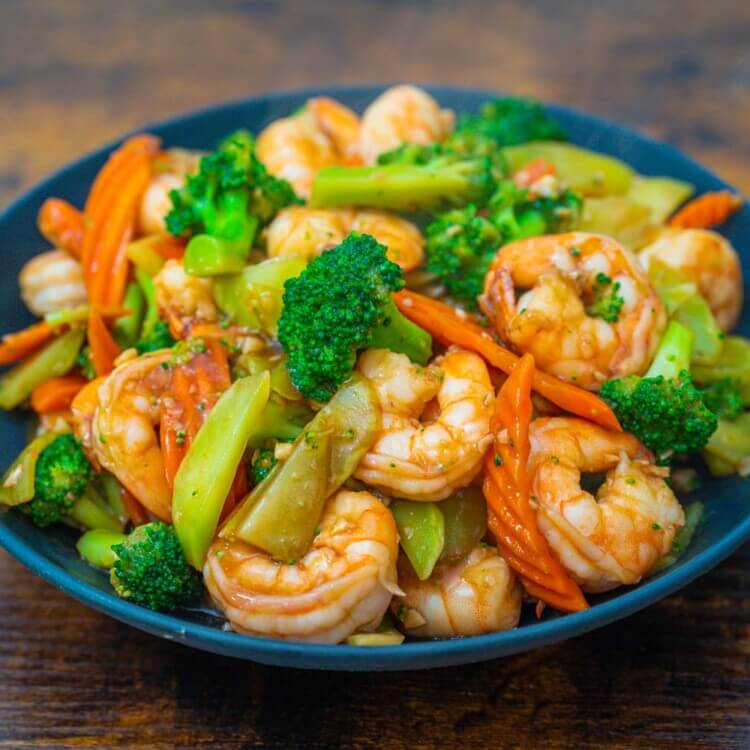
Shrimp and Broccoli Stir Fry
Tender shrimp and bright green broccoli in a quick savory stir fry. The blanching step keeps the broccoli perfectly crisp.
Shrimp and Broccoli Stir Fry Recipe
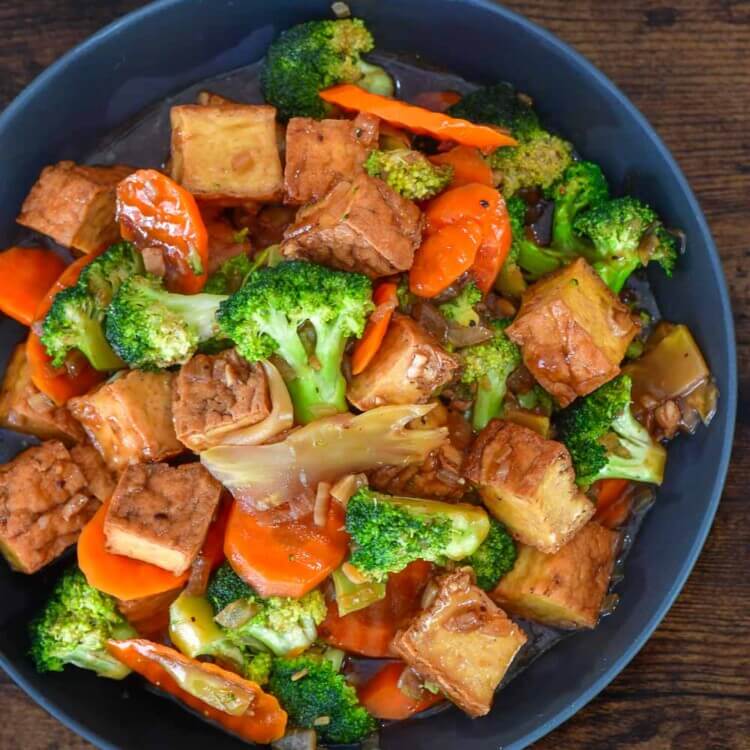
Tofu and Broccoli Stir Fry
Crispy fried tofu with broccoli florets in oyster sauce. Quick, affordable, and my vegetarian friends love it.
Tofu and Broccoli Stir Fry Recipe
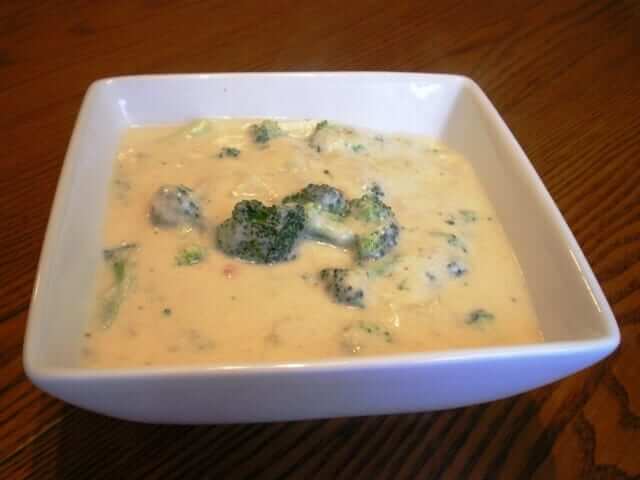
Cheesy Broccoli Soup
Creamy, comforting soup with chopped broccoli and melted cheddar. This is exactly what you want on a cold, rainy day.
Cheesy Broccoli Soup Recipe
Broccoli might seem simple, but once you know how to pick it, store it, and cook it right, it becomes one of the most useful vegetables in your kitchen. There are so many ways to enjoy it. Give some of these recipes a try. I think you will be surprised how good broccoli can taste.