



Leave a Comment
Published: 1/12/26
This post may contain affiliate links. Please read our disclosure policy.
You know that bright yellow color in curry? That comes from turmeric. This spice has been around for thousands of years, and there is a good reason it shows up in so many Filipino dishes. It adds color, a bit of warmth, and plays well with coconut milk.
I remember my grandma adding slices of fresh turmeric root to her ginataan. She called it luyang dilaw and told me it was good for the stomach. I did not think much of it back then. But after cooking for over 30 years, I understand why she reached for it so often. Turmeric does not shout for attention. It just makes the dish look and taste better without taking over.
What is Turmeric?
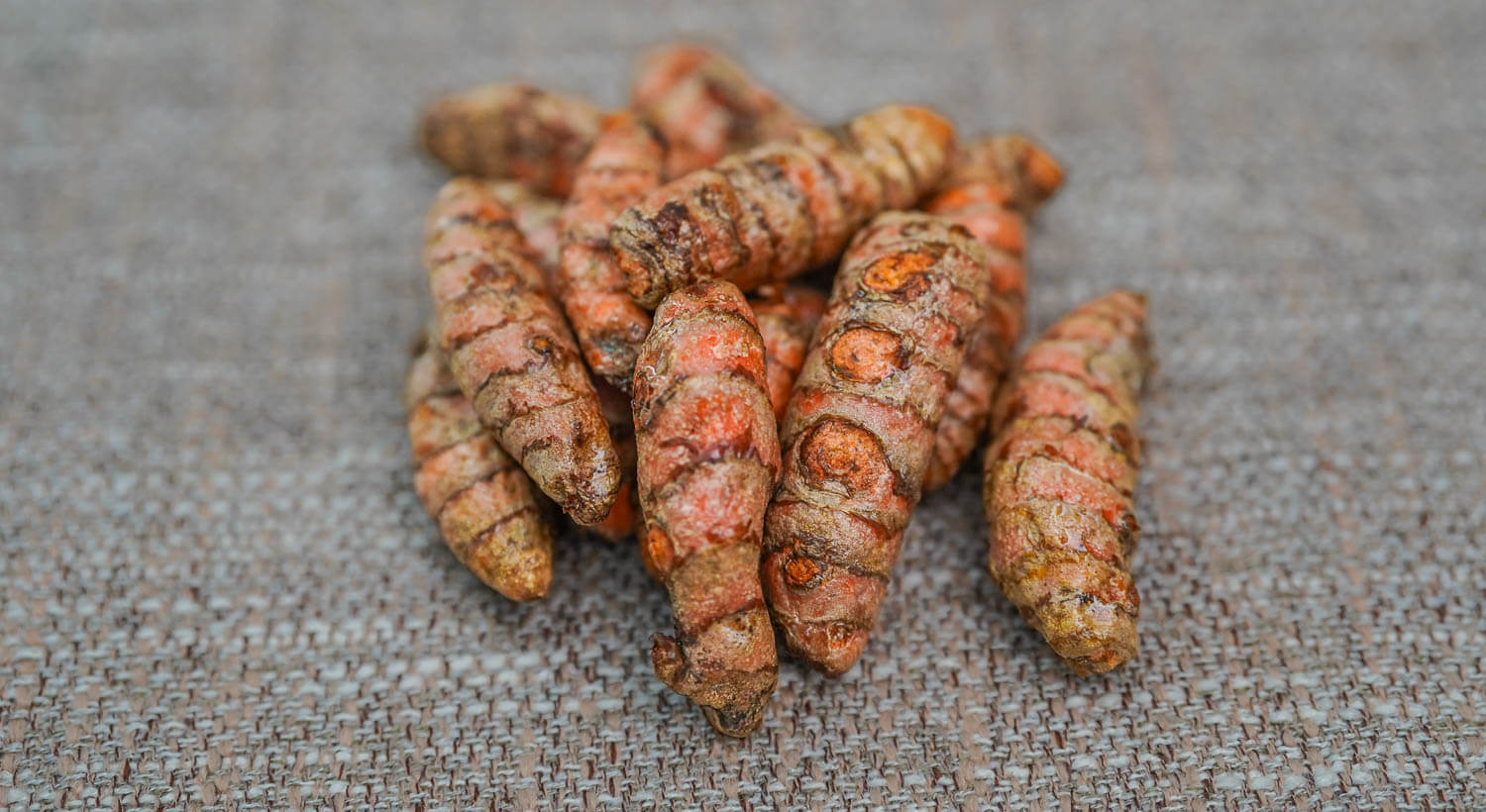
Turmeric comes from the root of a plant called Curcuma longa. It belongs to the ginger family, which explains why fresh turmeric looks like ginger root, just smaller and more orange inside. The plant grows in tropical areas and needs warm, humid weather to thrive. India produces most of the world’s turmeric, though it also grows in Southeast Asia.
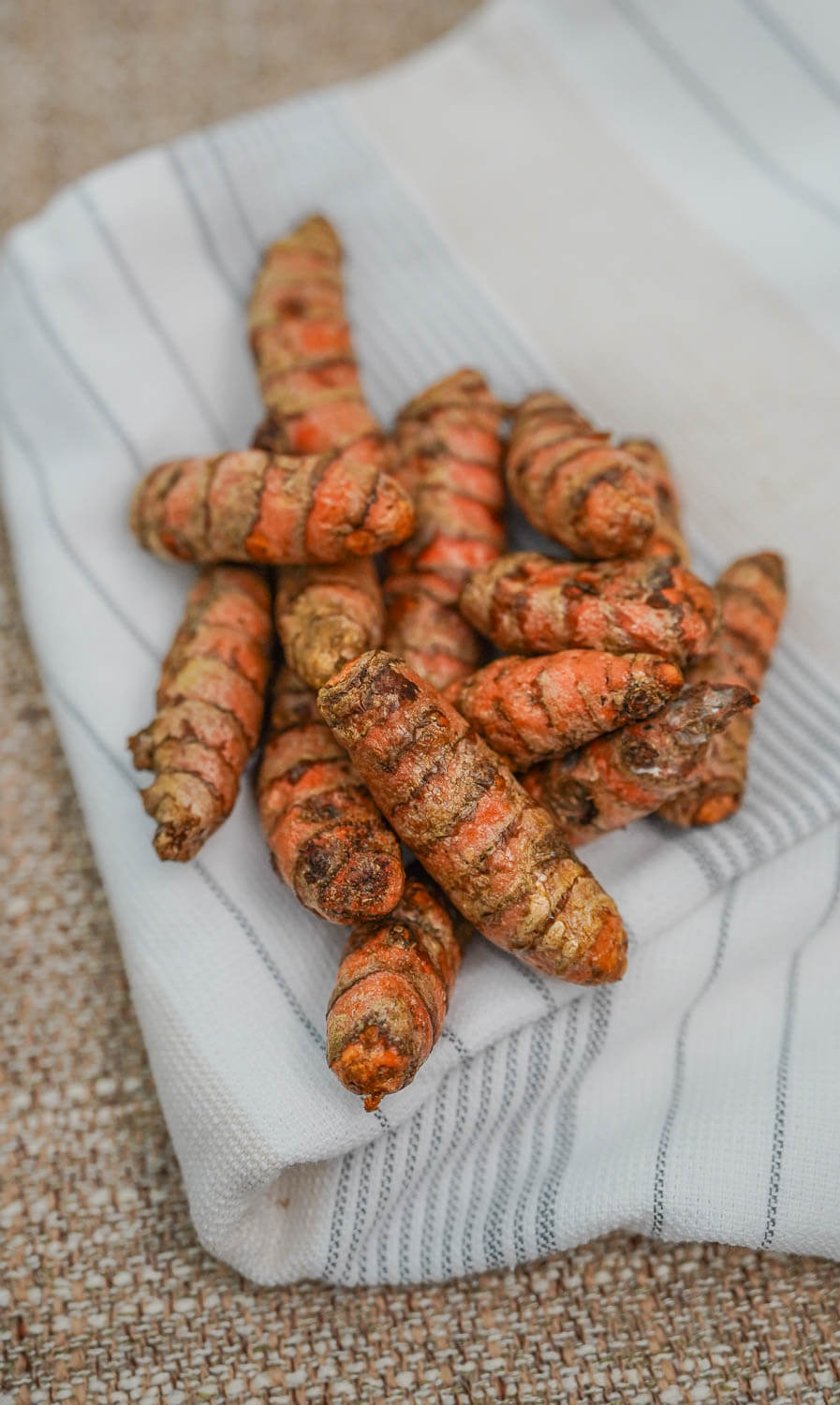
People have been using turmeric for at least 4,000 years. It showed up in Ayurvedic medicine, got used as a dye for cloth, and eventually made its way into kitchens everywhere. In the Philippines, we call it luyang dilaw, which means “yellow ginger.” That name makes sense when you see the two side by side.
The part we eat is the rhizome, the underground stem. When you cut into fresh turmeric, you see that deep orange flesh that stains everything it touches. The compound responsible for that color is curcumin. This is also what researchers study when they look at turmeric’s potential health effects.
Fresh turmeric has a sharper, brighter taste compared to the dried powder. The powder is more concentrated and a bit more bitter. Both have that earthy, warm quality that works so well with ginger and other spices. The flavor is hard to describe exactly. It is earthy, slightly peppery, a little bitter, and kind of mustardy all at once. Not spicy hot like chili. Just warm.
Different Forms of Turmeric
When you go shopping, you will find turmeric in a few different forms. Each one has its use.
- Ground Turmeric Powder – This is what most people have in their spice rack. Fine golden-orange powder that dissolves into dishes easily. You can find it in any grocery store. Good for curries, rice, marinades, and pretty much anything where you want that yellow color.
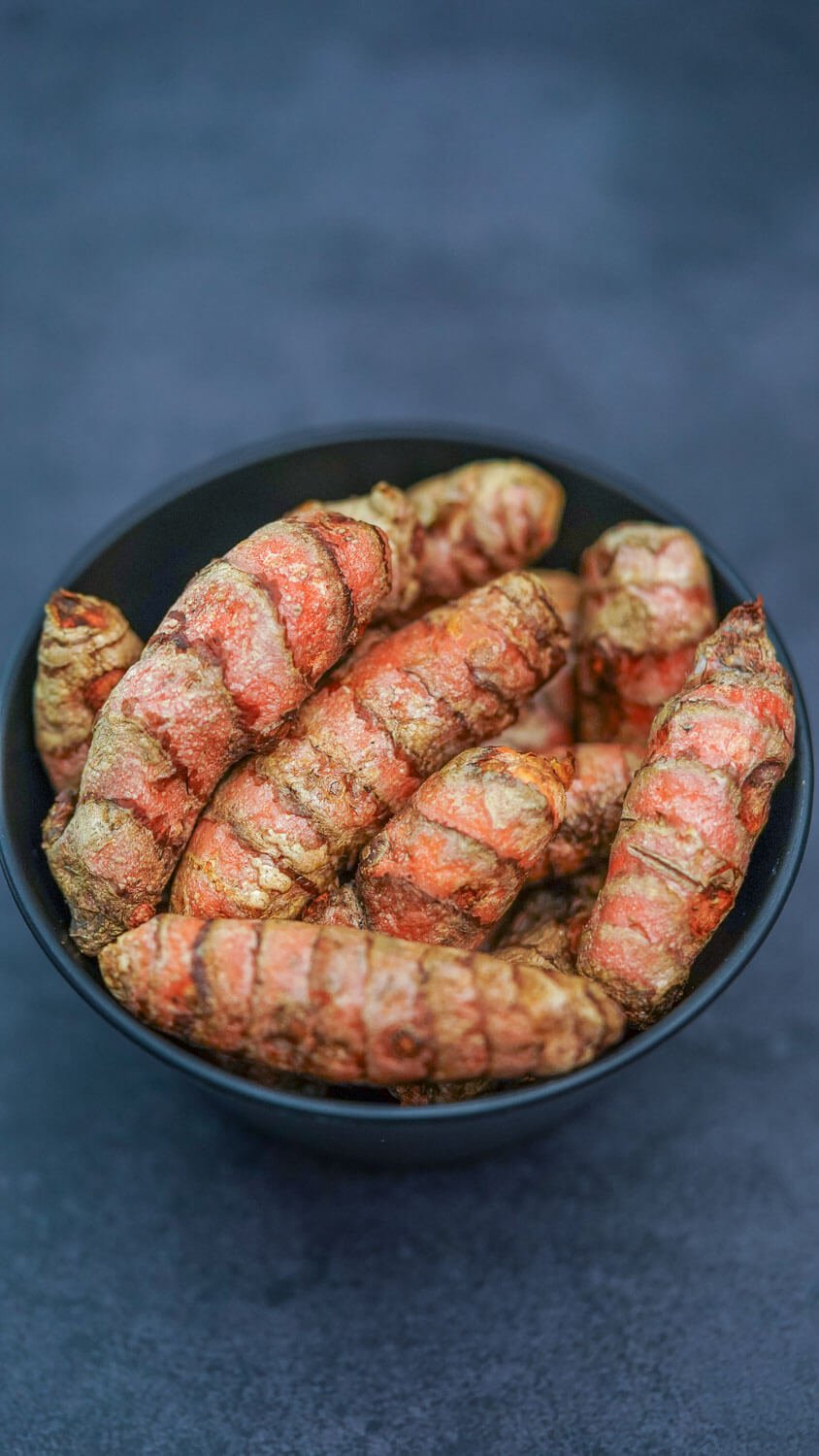
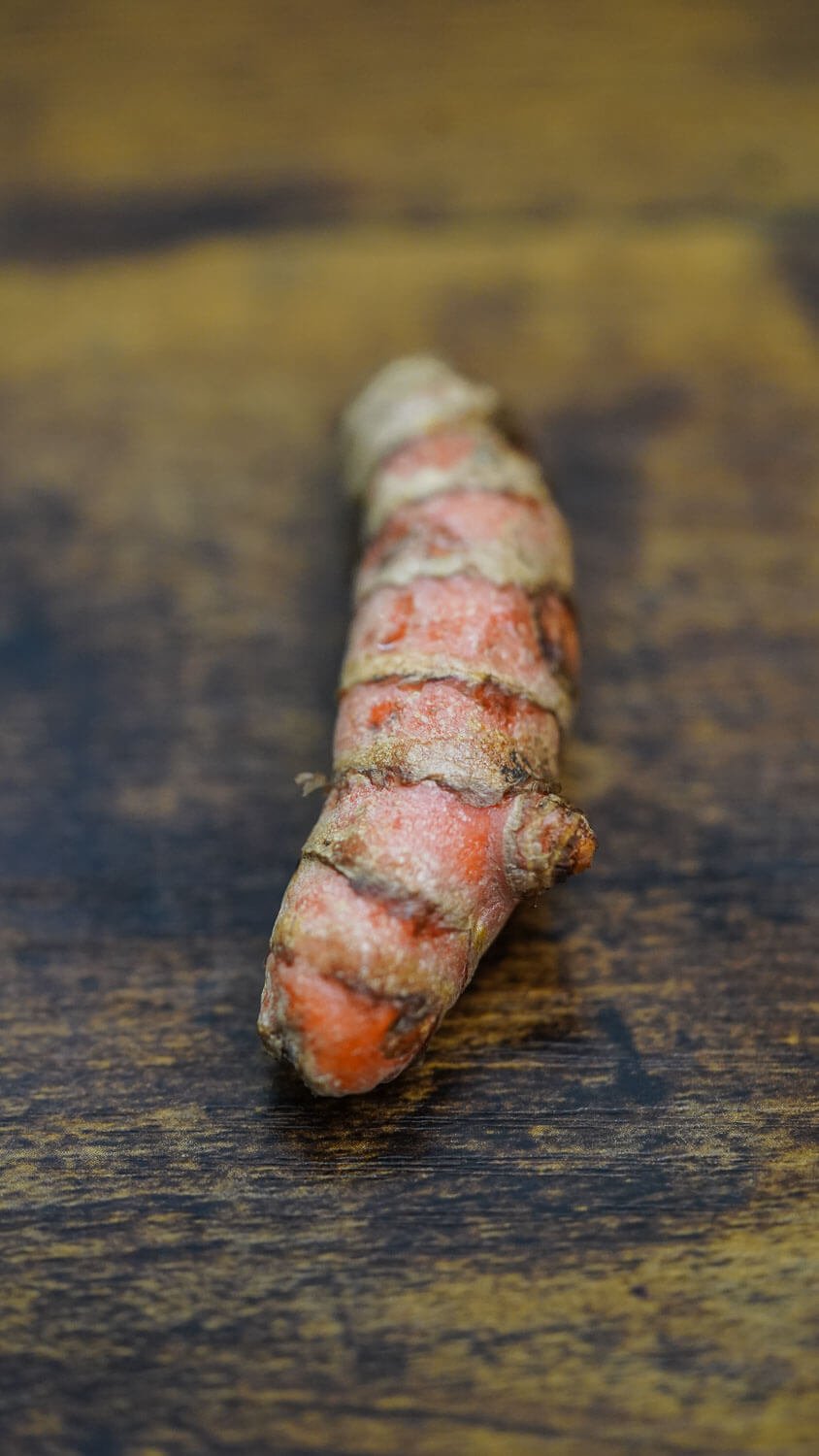
- Fresh Turmeric Root – Small knobby pieces with brown skin and orange flesh inside. The flavor is brighter and less bitter than powder. Asian grocery stores carry it, and some regular supermarkets stock it near the ginger. Fresh turmeric is nice in smoothies, teas, and dishes where you want a cleaner taste.
- Turmeric Paste – Some stores sell ready-made paste, which is fresh turmeric that has been peeled and ground up. Convenient if you do not want to deal with the prep work and staining.
- Supplements – Capsules and gummies with concentrated curcumin. These are not for cooking. If you are thinking about taking turmeric supplements, talk to your doctor first. They can affect how certain medications work, and high doses may cause stomach issues.
My advice? Keep a jar of turmeric powder in your spice cabinet for everyday cooking. If you see fresh turmeric at the store and want to try it, grab a few pieces. But the powder handles most jobs just fine.
How to Pick Good Turmeric
Quality matters. Bad turmeric tastes flat and does not give you that golden color.
For powder:
- Look for a deep golden-orange color. If it looks pale or dull, it might be old.
- Smell it if you can. Good turmeric has an earthy, slightly spicy scent. Musty or flat means it has been sitting too long.
- Check the date. Buy from stores that move product quickly.
For fresh root:
- Pick pieces that feel firm, not soft or spongy
- The skin should look tight, not wrinkled or dried out
- Avoid anything with soft spots or mold
- A mild earthy smell is fine. Strong off odors are not.
Storage
Storing turmeric right keeps it flavorful longer.
Ground turmeric powder goes in an airtight container in a cool, dark spot. Your pantry or spice cabinet works. It stays good for about a year, though the flavor is strongest in the first six months. If your turmeric looks faded and smells like nothing, replace it.
Fresh turmeric root keeps for two to three weeks in the refrigerator. Wrap it in a paper towel and put it in a paper bag or container. The paper towel soaks up moisture and stops mold from forming. Make sure the root is dry before you store it.
Freezing works well if you buy more fresh turmeric than you can use. Cut it into pieces, wrap in paper towel, put in a freezer bag, and squeeze out the air. It lasts up to six months frozen. You can grate it straight from the freezer without thawing.
About Curcumin and Health
Turmeric has gotten a lot of attention for its potential health benefits. The research focuses on curcumin, the compound that gives turmeric its color. Studies suggest curcumin may have anti-inflammatory and antioxidant properties. Some research shows promise for joint health, brain function, and heart health.
Here is the thing though. Most of this research uses concentrated curcumin supplements, not the amount of turmeric you would use in cooking. And curcumin does not absorb well on its own. Your body has a hard time using it.
Black pepper helps. A lot. Black pepper contains piperine, which can increase curcumin absorption by around 2,000 percent. That number comes from actual studies. The piperine slows down how fast your liver breaks down the curcumin, so more of it gets into your bloodstream. This is why so many traditional Indian recipes combine turmeric with black pepper. They figured this out centuries ago.
Fat helps too. Curcumin dissolves in fat, not water. Cooking turmeric with oil, coconut milk, or ghee makes it easier for your body to absorb. Again, traditional cooking got this right without knowing the science.
A note of caution: Some high-bioavailability turmeric supplements have been linked to liver problems. Regular turmeric in food is generally considered safe. But if you are thinking about taking supplements, especially the enhanced-absorption kinds, check with your doctor.
Want to know more about turmeric’s potential health benefits?
I looked into what current research has to say, and it was an eye opener for me. After reading through the studies, I found myself using turmeric more often in my cooking. Take a look at some of the health benefits linked to turmeric and see what the science suggests.
Cooking with Turmeric
Here is how I use turmeric in my kitchen:
- Bloom It in Oil – This is my go-to method. Heat a little oil in your pan. Add turmeric powder along with your other spices. Stir for 30 to 60 seconds. The heat releases the flavor compounds and spreads the color through the oil. Everything you cook in that oil picks up the turmeric. Note: Be careful not to burn it. Burnt turmeric tastes bitter. Keep the heat medium and keep stirring.
- Simmer in Liqui – For soups, stews, and ginataan dishes, you can add turmeric straight to the liquid. The long cooking time lets the flavor mellow and spread evenly. I do this with most of my curry and coconut milk recipes.
- Add to Ric – A half teaspoon of turmeric in your rice cooking water gives you beautiful yellow rice. Add it before the water boils. This is the base for Java rice and arroz amarillo.
- Use in Marinade – A pinch of turmeric in a marinade adds color to chicken, pork, or fish. It does not change the flavor much but makes the meat look appetizing after cooking.
- Grate Fresh Turmeric – If you have fresh turmeric, peel it and grate it like ginger. Fresh turmeric works well in smoothies, teas, or when you want a brighter flavor. Use about three times as much fresh as you would powder. One tablespoon of fresh equals about one teaspoon of powder.
How Much to Use
A little turmeric goes a long way. Too much makes food bitter.
- Start with half a teaspoon for a dish that serves four to six people. You can always add more.
- For rice, half to one teaspoon is enough for two cups of uncooked rice.
- For curries and stews, one teaspoon usually does the job.
- For golden milk or tea, a quarter to half teaspoon per cup works.
Flavor Pairings
Turmeric works well with these spices and ingredients:
- Black pepper – Not just for absorption. The flavors go together.
- Ginger – They are related, and it shows. Great combination in soups and curries.
- Cumin – Earthy meets earthy. A classic pairing in curry powder.
- Coriander – Balances turmeric’s slight bitterness.
- Cinnamon – Adds warmth. Nice in sweet applications like golden milk.
- Coconut milk – The fat carries the flavor and mellows the bitterness.
- Garlic and onion – Standard aromatics that work with turmeric in savory dishes.
- Lemon or lime – Acid brightens the earthy notes.
The Staining Problem
I need to mention this. Turmeric stains everything. Your fingers, your cutting board, your counter, your clothes, your plastic containers. The color is stubborn.
When working with fresh turmeric, wear gloves if you do not want yellow fingers for a day or two. Clean up spills right away. Lemon juice can help remove stains from skin. A paste of baking soda and water can help with counters.
For plastic containers, the stain might not come out completely. Use glass or stainless steel if you are worried about it.
I have a dedicated wooden spoon and plastic container that I just accept will be yellow forever. That is life with turmeric.
Turmeric in Filipino Cooking
Turmeric shows up in several Filipino dishes. It is not as common as in Indian cooking, but it has its place.
Adobong Dilaw is a version of adobo without soy sauce. Fresh turmeric slices give the dish its golden color and subtle earthiness. The flavor is different from regular adobo, lighter and tangier.
Ginataang Manok na may Luyang Dilaw is chicken cooked in coconut milk with fresh turmeric. The turmeric colors the coconut milk gold and adds depth to the sauce.
Java Rice gets its yellow color from turmeric and annatto. It goes with grilled meats and fried dishes.
Filipino Curry uses turmeric as part of the spice blend. Our curry is milder than Indian curry, but that golden color still comes from turmeric.
What does turmeric taste like?
Earthy, warm, slightly bitter, and a little peppery. Not spicy hot. Fresh turmeric tastes brighter and more ginger-like. The powder is deeper and more mellow. The flavor blends into dishes rather than standing out.
Can I use dried turmeric instead of fresh?
Yes. Use one teaspoon of powder for every tablespoon of fresh grated turmeric. The powder works fine in cooked dishes. Fresh is better for smoothies and teas where you want a cleaner taste.
How much turmeric per day is okay?
In cooking, a teaspoon or two daily is generally considered safe. The World Health Organization says up to about 1.4 mg of curcumin per pound of body weight is acceptable. For supplements, talk to your doctor.
Why add black pepper to turmeric?
Black pepper contains piperine, which increases curcumin absorption by about 2,000 percent. Your body can actually use the curcumin when you eat it with black pepper.
Does turmeric go bad?
Turmeric powder loses potency over time but does not spoil in a dangerous way. It just becomes less flavorful. If it smells musty or looks faded, replace it. Fresh turmeric can mold if stored wet. Throw it out if you see soft spots or mold.
What is turmeric called in Filipino?
Luyang dilaw, which means “yellow ginger.”
Is turmeric the same as curry powder?
No. Turmeric is one spice. Curry powder is a blend of spices that includes turmeric along with cumin, coriander, and others. Turmeric gives curry powder its yellow color, but they are not the same thing.
Some of My Favorite Recipes with Turmeric
Here are my favorite recipes that use turmeric. Try one and see how this spice works in your cooking.

BBQ Chicken with Java Rice
Grilled chicken served over turmeric-colored rice. The smoky chicken goes well with the earthy rice. A complete meal that looks like it took more effort than it did.
BBQ Chicken with Java Rice Recipe

Pork Curry Tinola
A fusion dish combining curry flavors with tinola’s soupy comfort. Turmeric and curry powder work together to create a warming soup for rainy days.
Pork Curry Tinola Recipe