


Seems winter should prevent injury because we’re holed up inside and less active, but that’s not the case. We still get injured during cold or snowy weather.
But if you take precautions it makes a big difference. Here are three of the most common winter threats and how to prevent injuries from them.
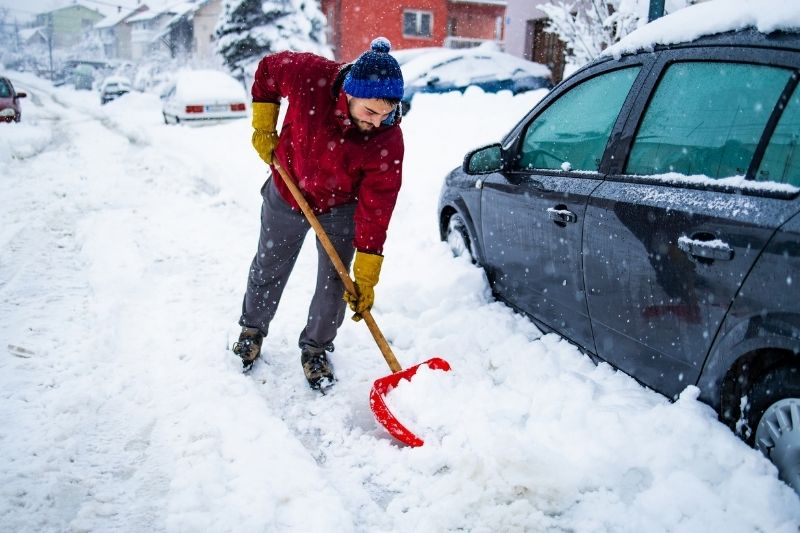 Slips or falls
Walking is a basic and universal way to be physically active, and being outside improves mood and keeps your circadian rhythm on pace. But winter can make walking perilous, leading to broken bones, concussions and other trauma if you slip or fall, which means you need to be especially careful.
Use appropriate footwear
Don’t wear Crocs, slippers or flips-flops to walk on ice, including short distances to take out garbage or grab mail. Instead, wear sturdy shoes with good traction: sneakers, boots or hiking shoes with rubber soles and deep grooves, for example.
“ER docs see ‘Croc-specific injuries’ all winter,” warns Phillip Boiselle of Columbia University Vagelos College of Physicians and Surgeons. “These shoes lack traction and ankle support, leading to painful falls.” The Kite Research Institute rates boots for traction.
Be alert
Approach all outdoor walks as if there is black ice. Don’t run. Instead, walk cautiously and confidently with a broad stance. Don’t stare at your feet because that can mess with your balance and blind you to tripping hazards. Focus ahead so you can anticipate what you’re approaching.
Stay balanced
You’re less likely to fall if your balancing skills are honed. So practice balancing if it’s not something you already do. Exercises are easy to incorporate into daily activities. For example, stand on just one foot for a minute then switch. You can do this while on the phone, watching television or at your computer.
And keep your hands out and free while walking in snowy or icy weather so you can readily shift your balance.
Poor indoor air quality
Winter is the season many of us spend with our windows tightly shut to keep the warm in and the cold out. Closed windows mean not just stale air but also a higher risk of carbon monoxide poisoning, particularly if you use a wood fireplace, gas stove or gas fireplace. You’re also at risk if you use a generator or kerosene heater or if you start a vehicle in a garage attached to your home, even with garage doors open. Carbon monoxide has no smell or color and it doesn’t give off smoke or any other indicator of its presence — but it’s deadly.
The most common signs of inhalation poisoning are headache, dizziness, weakness, upset stomach, vomiting, chest pain and confusion, according to the U.S. Centers for Disease Control and Prevention. The symptoms are often described as “flu-like,” the CDC says.
Keep your alarms functional and charged
Carbon monoxide (and smoke) detectors properly placed throughout your home are critical. Test yours regularly to be sure they’re functioning. The CDC recommends you do so every fall and spring when you change your clocks, but it won’t hurt to check them more often. The agency also recommends you change the detectors at least every five years, sooner if the manufacturer calls for it.
Clear the air
If your home is drafty or has an air-exchange system, outside air is getting inside. That helps keep viruses in check and freshens indoor air as long as outdoor pollutant levels are low (airnow.gov is a good resource for outdoor air quality). Otherwise, periodically open your windows for a few minutes. Air purifiers help too.
Air out the garage
Leave your garage doors open for a few minutes after you arrive or leave with gas-powered vehicles, especially if a vehicle is older.
Vehicular accidents
Driving is risky, though we often forget that. Driving in severe weather is even more risky. Storms, bad weather and bad road conditions contribute to more than 2,000 road deaths and nearly 500,000 motor vehicle crashes during winter, according to the AAA Foundation for Traffic Safety.
Stay in
Leave home only if you have to. “Even if you can drive well in bad weather, it’s better to avoid taking unnecessary risks by venturing out,” AAA advises.
Prepare
Keep cold-weather tools in your vehicle: flashlight and glass scraper, for example. Blankets too. It’s also not a bad idea to have jumper cables, a shovel and triangle reflectors. Check your tires regularly to be sure they’re properly inflated and the treads are good (test them with a quarter). Maintain a gas tank that’s at least half full.
Be smart while driving
Don’t use cruise control to drive on ice or snow. Adjust your speed down because you’ll have lower traction on those surfaces. Accelerate and decelerate slowly. Widen your following distance, and ease on and off the gas/go pedal. “Don’t stop if you can avoid it,” AAA says. “There’s a big difference in the amount of inertia it takes to start moving from a full stop versus how much it takes to get moving while still rolling. If you can slow down enough to keep rolling until a traffic light changes, do it.”
Be vigilant
As a pedestrian, move defensively anytime you’re near a street or getting out of a vehicle. Bad conditions could make a car careen off the road or slide in a parking lot and hit you.
Featured Products



The post The Most Common Winter Injuries – and How to Prevent Them first appeared on The Upside by Vitacost.com.