


NEW!
Dairy-free options are everywhere today. I love walking through the milk aisle and seeing just how many plant-based choices we have now. Whether you’re avoiding dairy because of an allergy, digestive issues, ethical reasons, or simply preference, there’s truly a non-dairy milk alternative for everyone.
Table of Contents
- What Is Non-Dairy Milk?
- Note From Jen
- Almond Milk
- Recipes with Almond milk
- Oat Milk
- Recipes with Oat milk
- Coconut Milk
- Recipes with Coconut milk
- Cashew Milk
- Recipes with Cashew milk
- Hemp Milk
- Milk Alternatives I Don’t Recommend
- How Does Non-Dairy Milk Compare to Dairy?
- Milk Comparison Chart
- Reading the Label (What Actually Matters)
- Common Questions
What Is Non-Dairy Milk?
Non-dairy milk is a beverage made from plants—like nuts, grains, seeds, or legumes—blended with water and strained to create a milk-like texture. Unlike dairy products such as cow’s milk, yogurt, cheese, and sauces made with cream, plant-based milks contain no lactose and no cow’s milk protein, making them suitable for people with dairy allergies or sensitivities.
Most store-bought options in the United States are fortified with important nutrients like calcium, vitamin D, and sometimes vitamin B12 to better match the nutritional content of dairy milk.
Note From Jen
I’m not against dairy– I do enjoy aged cheese and yogurt! And I pick cow’s milk over plant-based milk anytime it comes to coffee. I love a heavy splash of half and half in my cup of coffee. I’ve tried all kinds of milk alternatives and nothing goes as nicely with black coffee or an americano as half and half.
Yet when it comes to smoothies, baked goods and soups— I’m super impressed with how plant-based milk shine. These milk alternatives are important because they give people more ways to meet their nutrition needs while honoring their bodies, values, and lifestyles.
For many, dairy causes digestive issues, inflammation, or discomfort, so plant-based milks offer a gentler option. They also support plant-forward eating, which is linked to better heart health, improved digestion, and a more sustainable food system.
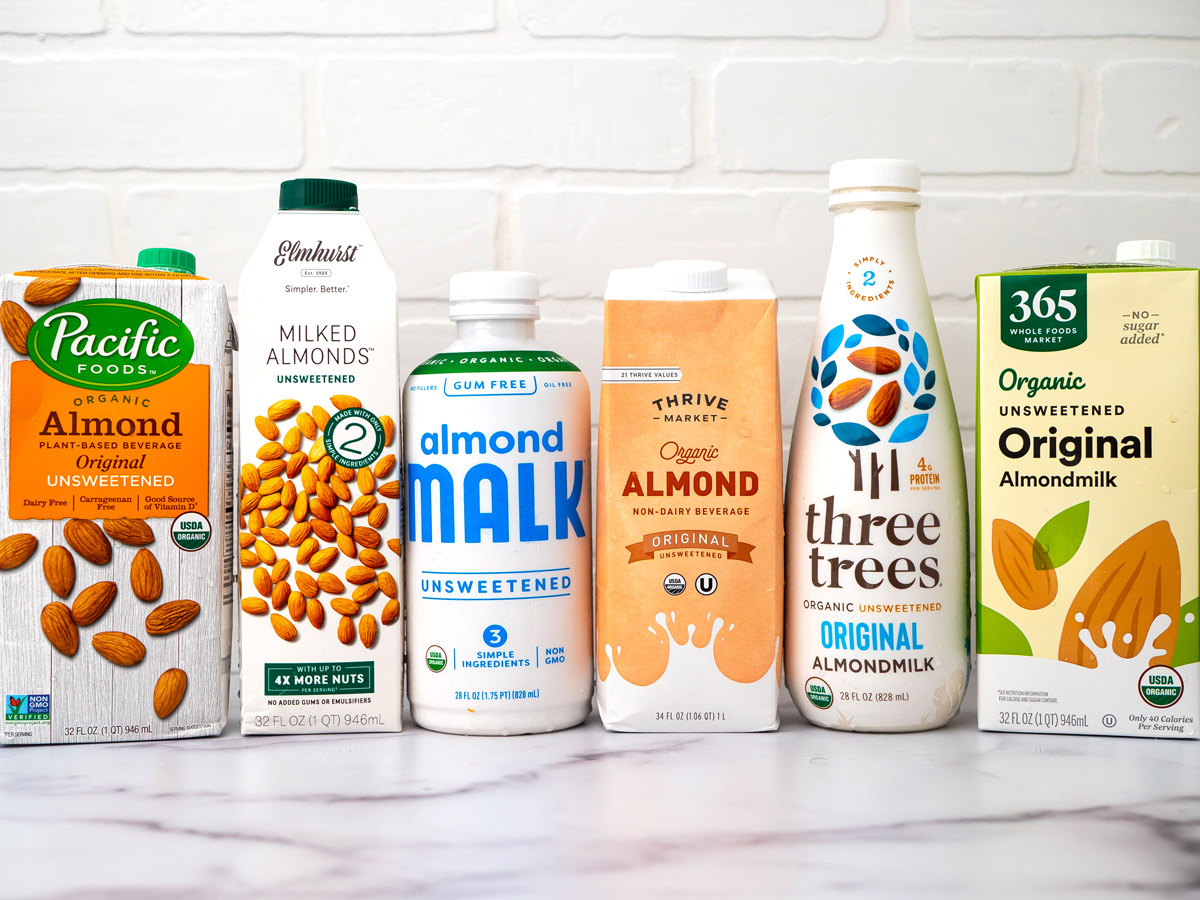
Almond Milk
Probably the most popular non-dairy milk in the United States, almond milk is accessible, affordable, and mild in flavor. It has a subtle nutty taste and comes in both fortified and unfortified versions, giving you flexibility depending on how “clean” you want it. Almond milk is naturally low in carbohydrates, usually contains less protein than dairy milk, and is often fortified with calcium and vitamin D.
- How to use: Almond milk works well in smoothies, baking, and warm drinks. It’s also a great option for people avoiding soy or grains.
- What brands to buy: I top recommendation is Elmhurst Milked Almonds (it’s the cleanest and contains the most protein) or the top 5 featured in my Best Almond Milk Brands guide.
- How to make it: You can make homemade almond milk in a blender, nut milk machine or my favorite— the Nama plant-based milk maker (get 10% off with code: JEN10). When making any almond milk recipe, I recommend soaking almonds overnight to get the creamiest results.
Recipes with Almond milk
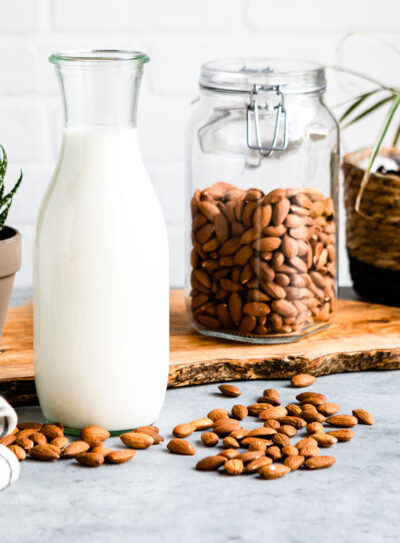
How to Make Almond Milk
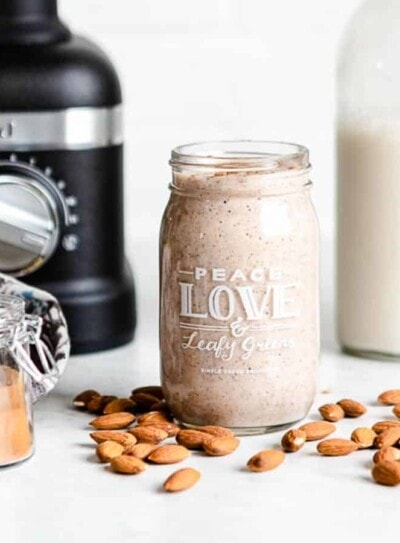
Epic Almond Smoothie

Warm Almond Milk and Honey
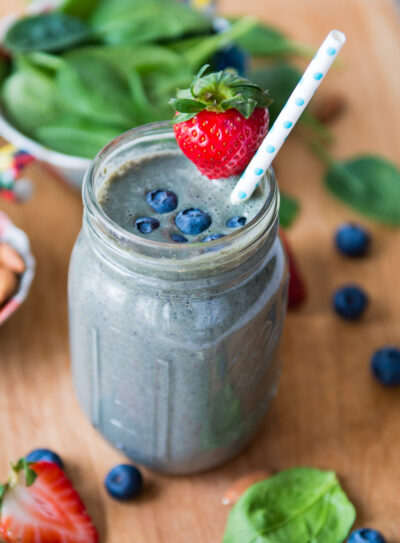
Berry Almond Milk Smoothie
Oat Milk
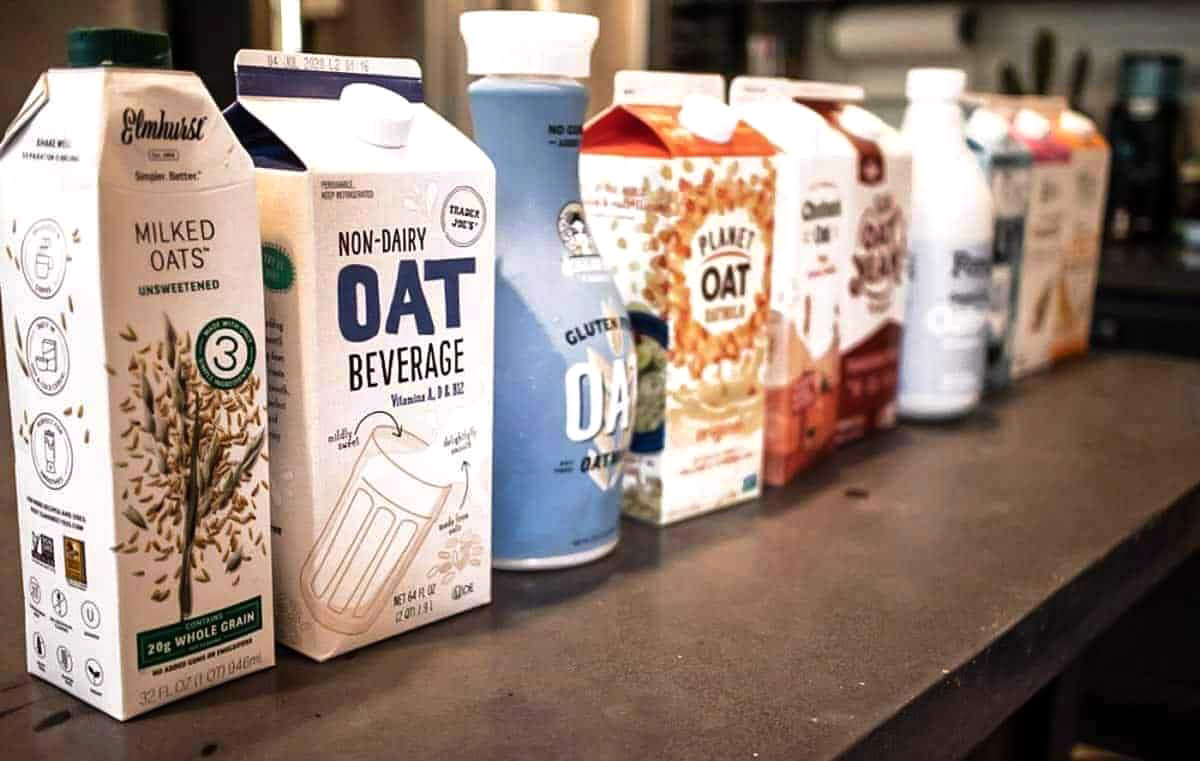
Oat milk is made from whole grains and has a naturally creamy texture with a slightly sweet flavor. It’s one of the most popular dairy-free options for coffee drinks. Oat milk is higher in carbohydrates, lower in protein, and not ideal for those avoiding grains.
- How to use: Oat milk is ideal for lattes, coffee, baked oatmeal, and creamy smoothies.
- What brands to buy: Look for unsweetened oat milk with minimal ingredients and no added oils.
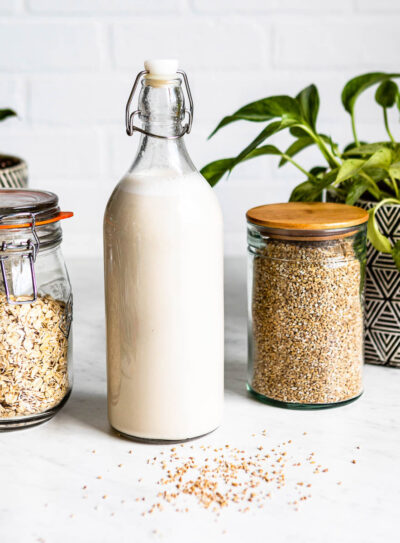
- How to make it: Homemade oat milk is quick to make with oats and water. Use cold water, blend briefly and strain to avoid gumminess. Check out my favorite oat milk brands recommendations to see which brands shine— Califia Extra Creamy takes gold!
Recipes with Oat milk
How to Make Oat Milk
Banana Oatmeal Smoothie

Simple Overnight Oats

Cinnamon Dolce Latte
Coconut Milk
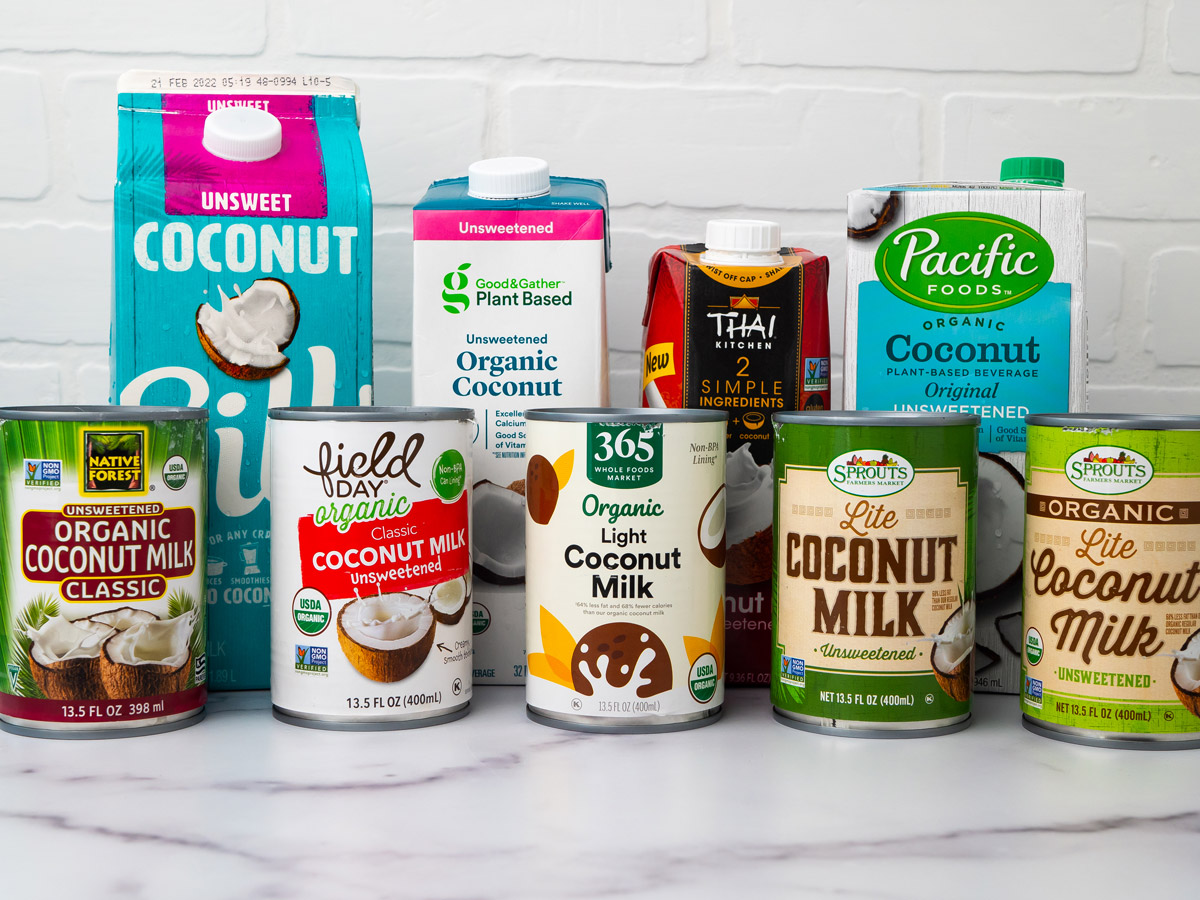
Coconut milk is rich and creamy, with a higher fat and calorie content—with options ranging from full-fat to light, coconut milk can be used in everything from sauces and curries to smoothies and everyday sipping, depending on the texture and richness you’re looking for.
- How to use: Best for sauces, soups, curries, desserts, and creamy dishes.
- What brands to buy: Choose full-fat canned coconut milk for cooking and lite versions for everyday use like in smoothies. Check out my favorite coconut milk brands recommendations to see which brands are best for your needs.
- How to make it: Homemade coconut milk is made by blending shredded coconut with hot water and straining.
Recipes with Coconut milk
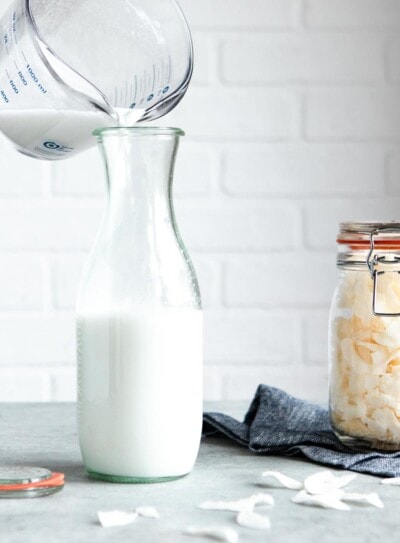
How to Make Coconut Milk

Vegan Thai Coconut Soup (Tom Kha)
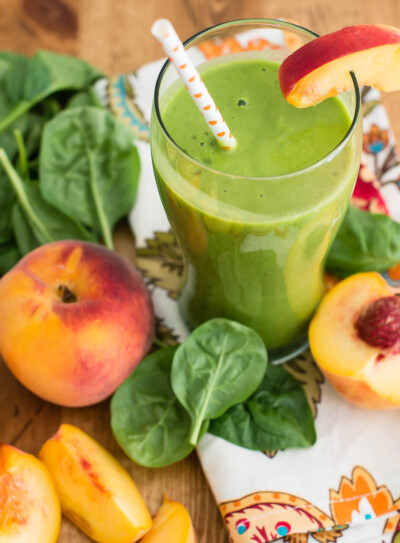
Peachy Coconut Milk Smoothie

Creamy Potato Curry
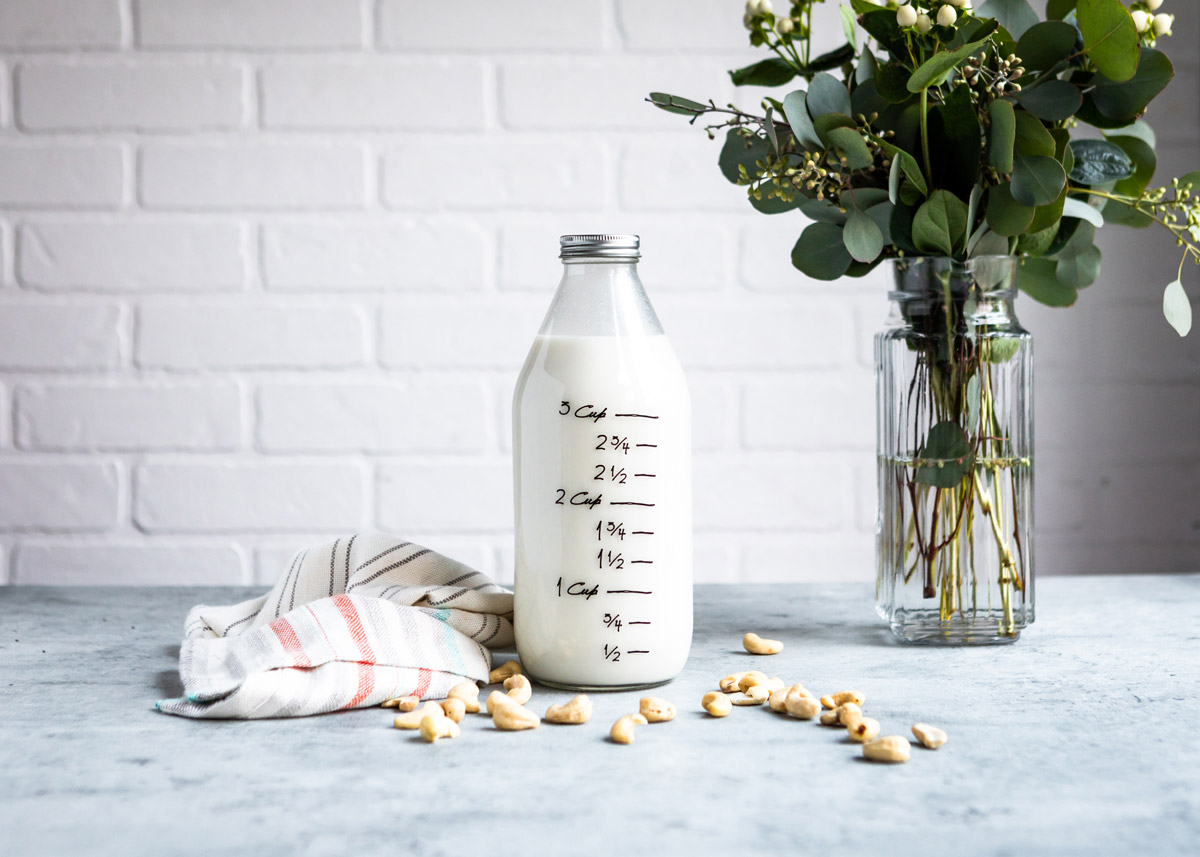
Cashew Milk
Cashew milk is one of the creamiest plant-based milks thanks to the natural fat content of cashews, and it has a mild, neutral flavor that blends seamlessly into both sweet and savory recipes. It creates a smooth, velvety texture without overpowering other ingredients, making it a favorite for coffee, soups, sauces, and ultra-smooth smoothies.
- How to use: Excellent for soups, sauces, yogurt, and ultra-smooth smoothies.
- What brands to buy: Choose brands with simple ingredients (Elmhurst Milked Cashews or Cashew Malk).
- How to make it: Cashews don’t need soaking. Learn how to make homemade cashew milk for maximum creaminess.
Recipes with Cashew milk
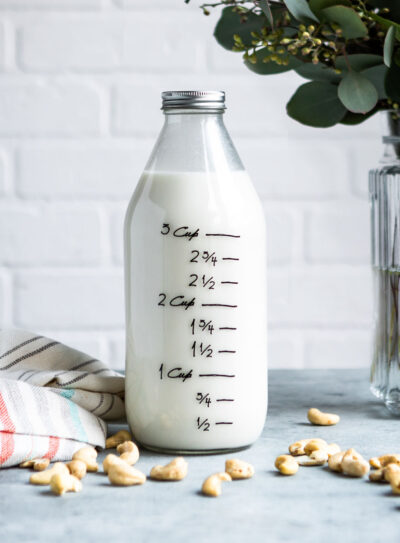
How to Make Cashew Milk

Pink Moon Milk
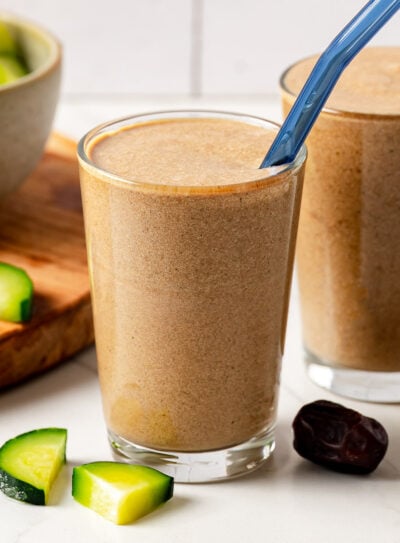
Low-Calorie Zucchini Smoothie
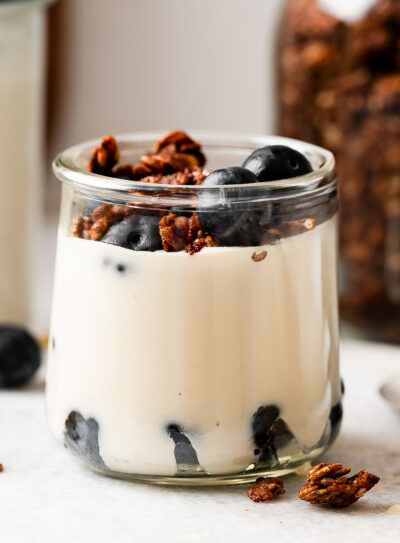
Homemade Cashew Coconut Yogurt
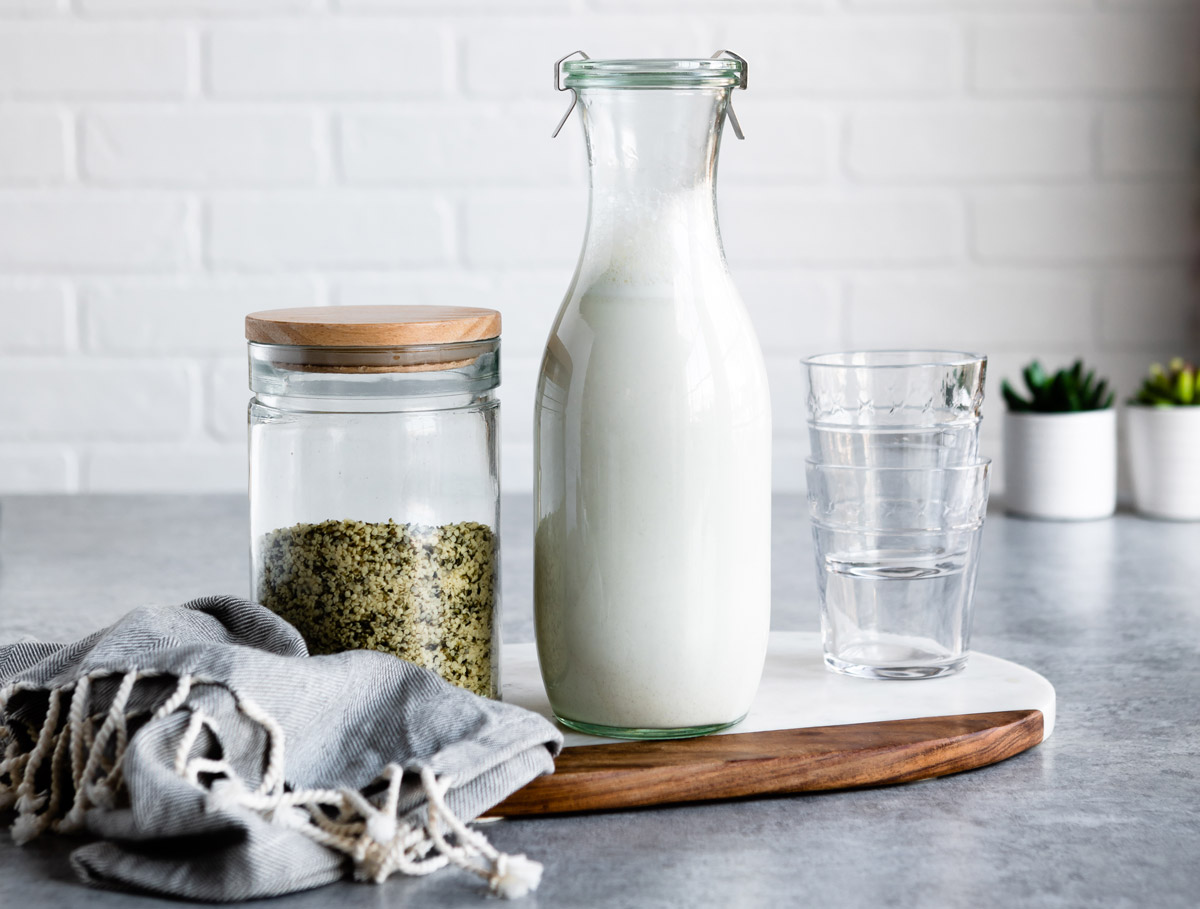
Hemp Milk
Hemp milk is made from hemp seeds and doesn’t require soaking, which makes it one of the easiest plant-based milks to prepare at home. It’s a naturally creamy milk that has a mild, slightly nutty flavor and works well in smoothies, lattes, cereal, and everyday use.
- How to use: Great for smoothies, post-workout blends, and everyday sipping.
- Nutritional highlights: Hemp milk contains omega-3 and omega-6 fats, offers more protein than most nut milks, and has a naturally creamy texture.
- What brands to buy: Look for unsweetened varieties with just hemp seeds, water… like Joi Hemp Base or in a pinch you can try Pacific Foods Hemp Beverage (it just has some extras that I don’t love).
Milk Alternatives I Don’t Recommend
There are several other plant-based milk alternatives on the market, but they’re not ones I get especially excited to recommend. While each has its own strengths and can work in certain situations, they tend to fall short in texture, accessibility, or overall nutrition compared to the plant-based milks I use and recommend most often.
- Pea milk is high in protein and often fortified with calcium and vitamin D, but its gritty texture puts it near the bottom of my list.
- Macadamia milk has a rich, buttery flavor and works well in coffee, baking, and creamy drinks, yet it’s harder to find and usually more expensive.
- Rice milk is naturally sweet and very thin, making it easy to use in cereal, smoothies, and baking, but it’s higher in carbohydrates and very low in protein, which makes it less ideal as a primary milk.
How Does Non-Dairy Milk Compare to Dairy?
Traditional dairy milks like cow’s milk and goat’s milk have long been staples in many diets, but they’re not the best fit for everyone. Plant-based milks offer dairy-free alternatives with different nutritional profiles, ingredients, and benefits—especially for those managing allergies, digestion issues, or cholesterol concerns.
Whole cow’s milk naturally contains protein, calcium, and fat, but it also includes saturated fat, cholesterol, lactose, and cow’s milk protein, which is a common allergen. Lower-fat milks reduce calories and fat, but they can also lower fat-soluble vitamins unless those nutrients are added back through fortification.
Milk Comparison Chart
The data below is generalization based off of a variety of 1 cup unsweetened and unflavored brands of milks.
| Milk Type | Calories | Protein | Fat | Lactose |
|---|---|---|---|---|
| Almond Milk | Low | Low | Low | No |
| Oat Milk | Moderate | Low | Low–Moderate | No |
| Cashew Milk | Low–Moderate | Low | Moderate | No |
| Cow’s Milk (Whole) | Higher | High | High | Yes |
Plant-based milks like almond, oat, and cashew milk are naturally lactose-free and cholesterol-free, making them appealing for people avoiding dairy or saturated fat. However, they often contain less protein and fewer minerals unless fortified. Cow’s milk and goat’s milk provide more natural protein but may not work well for those with allergies, lactose intolerance, or high cholesterol concerns.
Reading the Label (What Actually Matters)
Before tossing a carton of non-dairy milk into your cart, flip it over and look for a short ingredient lists, no added oils, and no added sugars or flavors. Fortification with calcium and vitamin D may be helpful, since many non-dairy milks naturally contain less protein and fewer minerals than dairy foods unless they’re fortified.
Common Questions
The healthiest milk alternative depends on your needs, but options like unsweetened almond, pea, soy, and hemp milk are popular for their low sugar and added nutrients. Look for versions fortified with calcium and vitamin D, made with minimal ingredients, and no added oils or sweeteners.
Pea milk and soy milk contain the most protein among non-dairy milks, with about 7–8 grams per cup. They’re the closest plant-based options to cow’s milk in protein content and are often fortified with calcium and vitamin D for balanced nutrition.
Plant-based milk can be a good alternative to dairy milk, especially for those avoiding lactose, cholesterol, or dairy allergies. While dairy milk naturally contains protein and minerals, many plant-based milks are fortified to provide similar nutrients with fewer saturated fats.
For kids, the best milk alternative is one that’s fortified with calcium and vitamin D and provides enough calories for growth. Unsweetened soy or pea milk are often recommended because they contain more protein than most nut or grain-based milks.
When choosing non-dairy milk, avoid added sugars, artificial flavors, gums, and unnecessary oils. Check the label for short ingredient lists and prioritize unsweetened varieties. Fortification with calcium and vitamin D is helpful, but gums and stabilizers aren’t always needed.
The post Plant-Based Non-Dairy Milk Alternatives appeared first on Simple Green Smoothies.