



When it’s cold, I turn to hearty meals to keep us warm. Many of the dishes I prepare in the cold months originated in the Italian mountains because communities there know how to eat when the temps drop below zero. Since Italy is 40% mountains, it’s not surprising that there are many typical Alpine dishes to nourish the soul and warm the heart!
Italy’s traditional mountain cuisine is originally part of what Italians call ‘la cucina povera’ (the kitchen of the poor or the peasant kitchen). In the past, inhabitants of these areas lived on what they could forage, farm, hunt and cultivate, although the type of crops they raised were restricted by the climate and the rocky terrain especially at high altitudes.
However, despite the difficulties, Italy’s Alpine communities boast dishes, foods and produce that have become appreciated outside of the country too. Think Alpine cheeses like Fontina, Asiago, Castelmagno, Montasio and Taleggio, plus, cold cuts such as speck, bresaola, lardo, Venison salami and sausages, and prosciutto San Daniele.
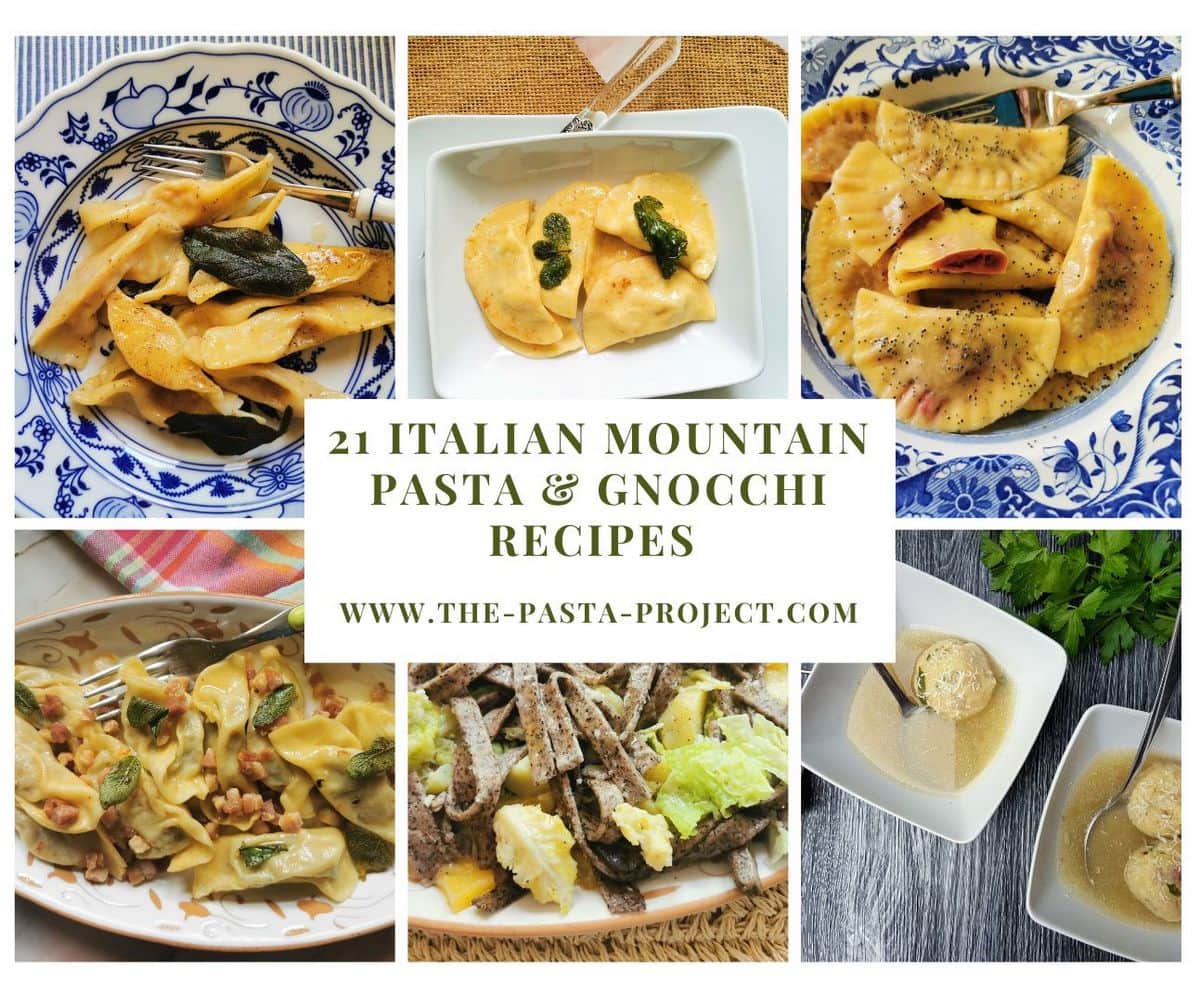
When it comes to dishes, some of the most well-known are fonduta (fondue with fontina), canederli (bread dumplings), polenta, carbonade (beef stew), goulash, venison stew or ragu and pizzoccheri (buckwheat pasta). But, there are so many more.
Pasta and gnocchi from the Italian mountains.
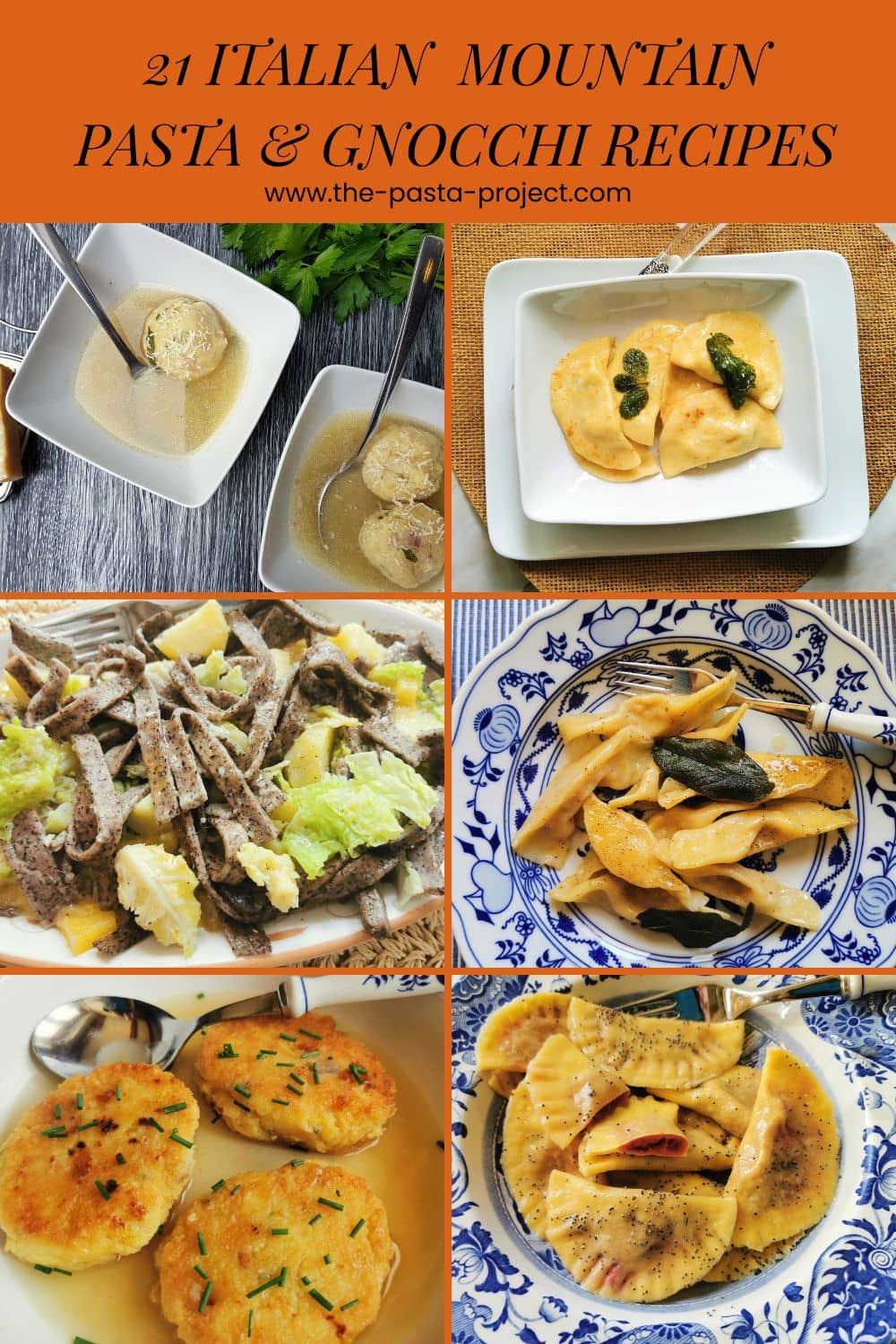
Dried pasta originated in Southern Italy and isn’t used much in the Alps, certainly not long pasta like spaghetti. The most typical Italian mountain pasta types are pasta ribbons such as tagliatelle, also often quite rustic and made with different flours, and many types of ravioli both sweet and savory. Gnocchi dishes are very traditional, not only those made with potatoes but also with bread, ricotta or buckwheat flour.
Below are some Alpine recipes available here on The Pasta Project. These recipes come from different mountainous regions. Many aren’t well-known outside of Italy, but they are all delicious examples of Italy’s Alpine cuisine.
Click the recipe name to see the recipe post and instructions.
Alpine pasta recipes.
Lombardy.
Pizzoccheri alla Valtellinese.
Pizzoccheri is probably the most well-known Italian mountain pasta. This pasta is rustic thick tagliatelle made with buckwheat flour. It’s traditional in the Valtellina, a beautiful fertile mountain valley in Lombardy.
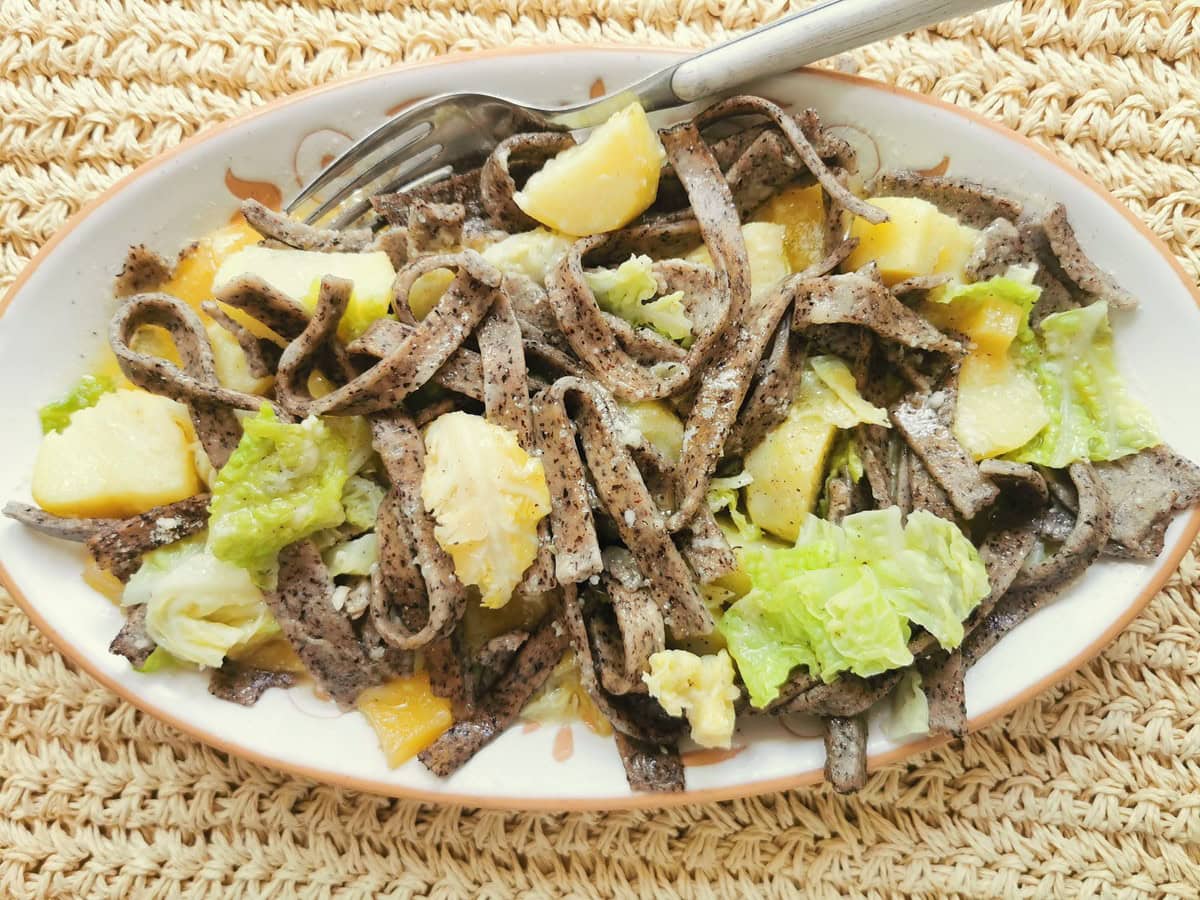
Buckwheat pizzoccheri is almost always served in one particular way together with potatoes, local cheese, cabbage, garlic and lots of unsalted butter. Cheese and potatoes are staples in many Alpine regions, and you can find them used together in dishes throughout the Alps, including Switzerland, France and Austria!
Scarpinocc di Parre.
Also from Lombardy is scarpinocc di Parre, a unique meatless filled pasta from an ancient mountain village. Scarpinocc is a very rustic ‘shoe-shaped’ pasta created with mostly simple ingredients that were available to the farming families of the past. Rich in milk, butter, cheese and eggs this is a homemade italian mountain pasta worth trying!

Casoncelli (casonsei)
There are a number of versions of casoncelli, a classic filled pasta from Eastern Lombardy. This particular recipe is for casoncelli della Valcamonica, one of the largest valleys in the Italian Alps.
Casoncelli from the Valcamonica traditionally has a filling containing boiled greens, mortadella (or salami), sausage, grated parmesan, potatoes, breadcrumbs, parsley, nutmeg, salt and pepper. I followed a recipe that included leeks but omits the nutmeg.

The Aosta Valley.
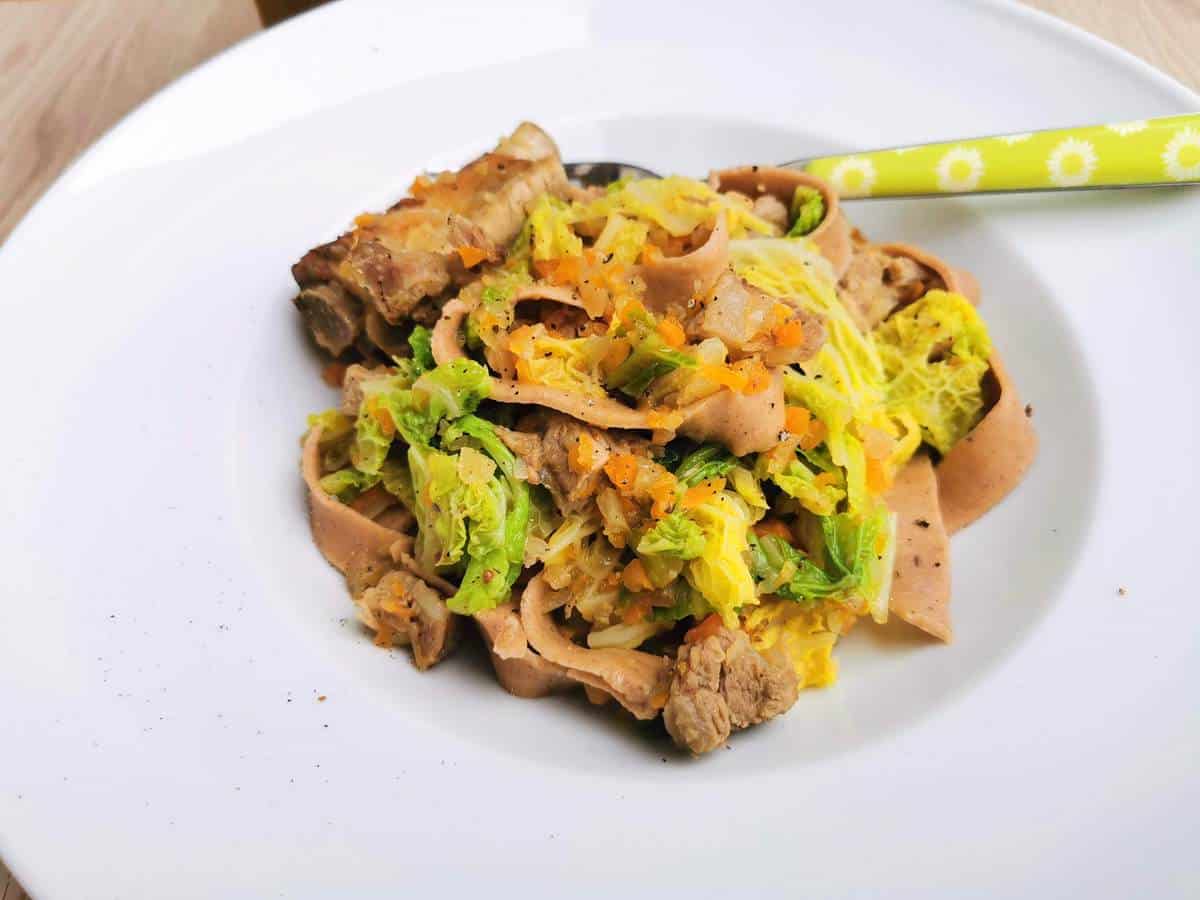
Homemade chestnut pasta with pork and cabbage.
This chestnut pasta with pork and cabbage comes from the beautiful mountain region the Val d’Aosta or Aosta Valley. Located in the top northwest corner of Italy, this region borders with France and Switzerland and is the smallest and least densely populated of the Italian regions.
This is a typical autumn/winter dish made with homemade pasta, pork ribs and Savoy cabbage. The ribs and cabbage are cooked in the oven with onions, carrots, celery, wine and vegetable broth. The pasta is a homemade rustic tagliatelle made with chestnut flour and soft wheat flour and eggs.
Penne alla Valdostana.
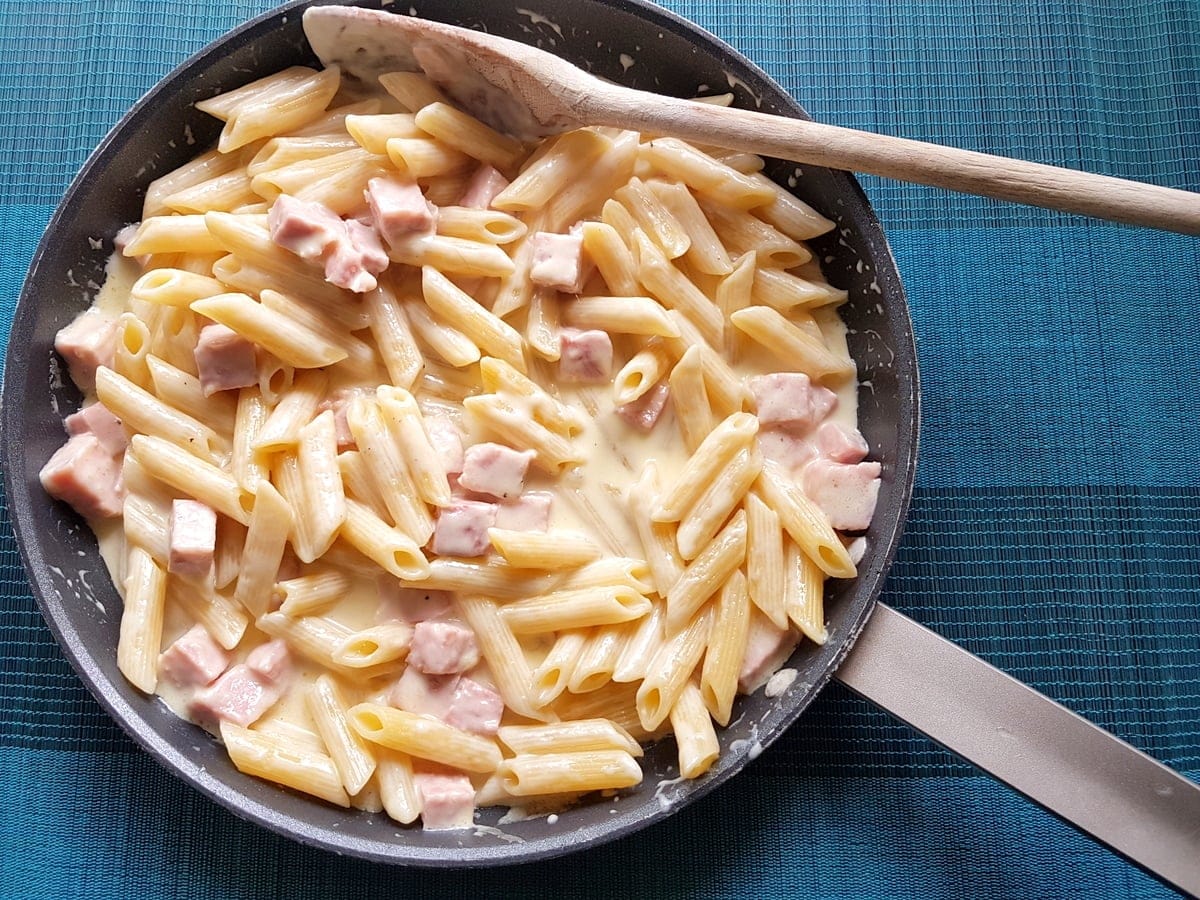
When you see a menu item described as ‘alla valdostana’ in Italy, chances are it’s going to include Fontina cheese from the Aosta Valley, and very often ham or mushrooms. Fontina has been made in The Aosta Valley since the 12th century. It’s a fantastic melting cheese which Italians also use in fonduta (Italian fondue).
In this Valdostana pasta recipe, the cheesy sauce is made with melted fontina, butter, cream and cooked ham. It’s delicious served as is or baked.
Liguria.
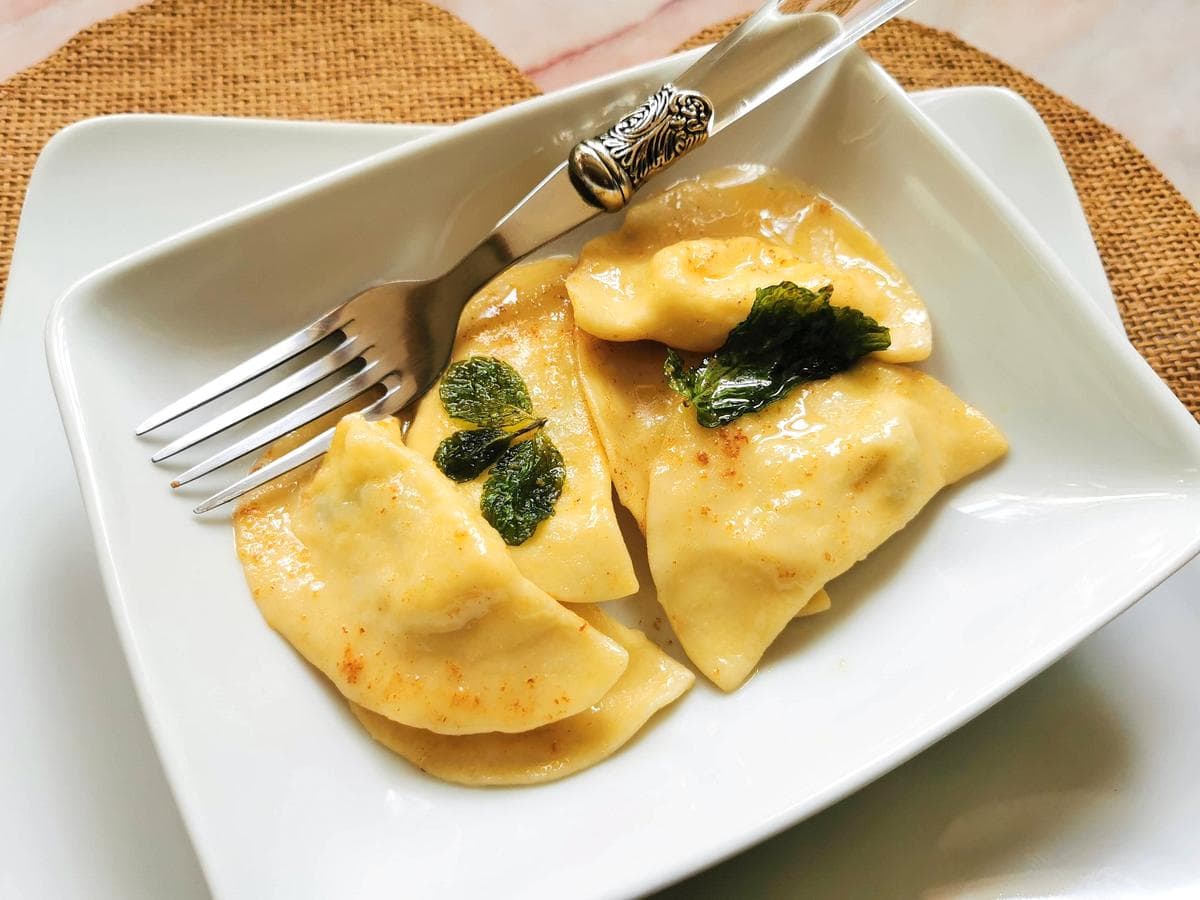
Potato and mint ravioli (Turle)
This Ligurian potato and mint ravioli recipe is a traditional dish from the Ligurian Alps, particularly the area around the village of Mendatica on the slopes of Mt Fronté, between Liguria, Piemonte and Provence-Alpes-Côte d’Azur. There, the mountain folk have a unique kitchen known as la cucina bianca della Liguria (the white cuisine of Liguria).
The simplicity of these potato and mint raviolis belies how delicious this dish is! Apart from the potato and mint, the filling contains eggs, local mountain cheese and grated parmigiano. The pasta dough is made from softwheat flour, eggs and warm water.
Veneto
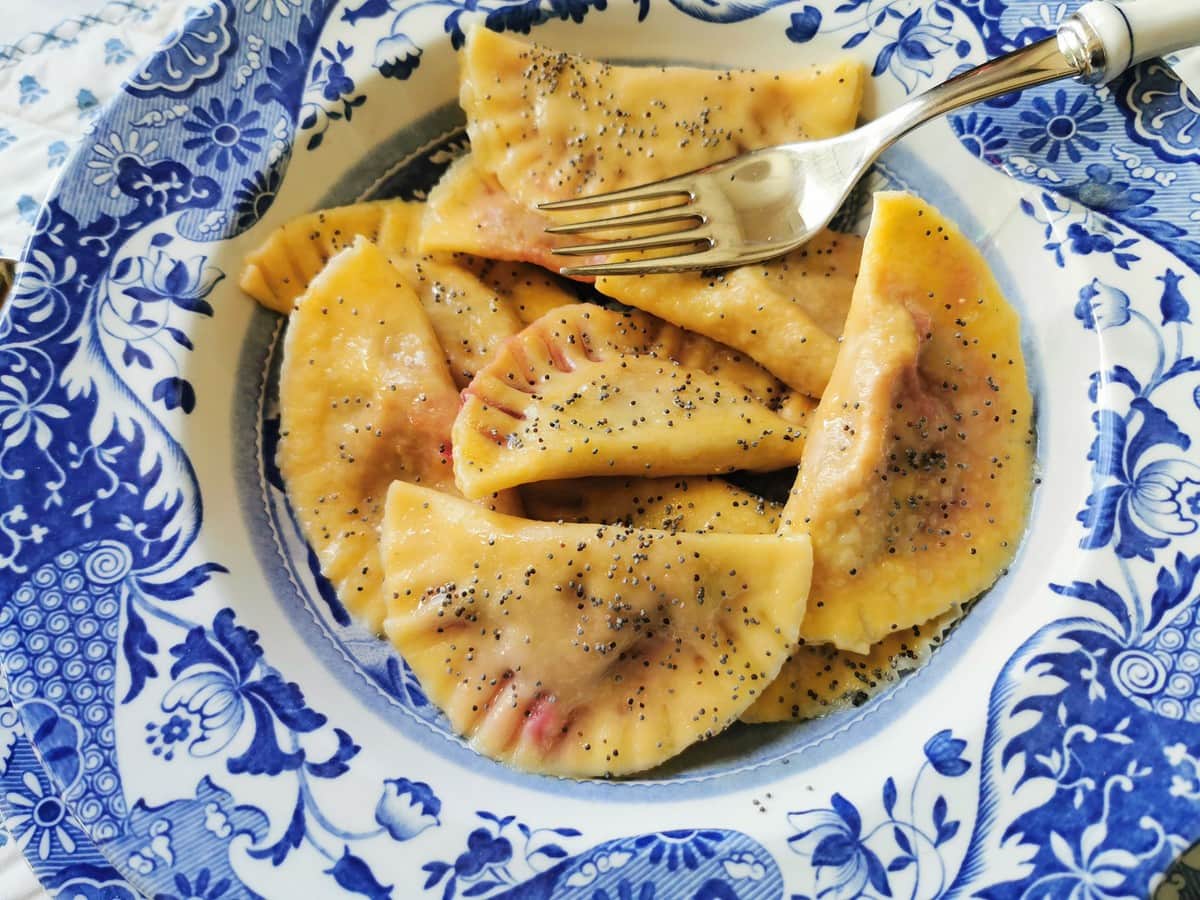
Beetroot ravioli from Cortina d’Ampezzo.
This incredibly delicious homemade ravioli recipe from Cortina d’Ampezzo, a famous ski resort in the Dolomites, pairs beetroot and potato filled ravioli with melted butter and poppy seeds. Not only do these raviolis look beautiful but the combination of the flavors and textures makes this a dish to impress guests with. Casunziei all’ampezzana, are a wonderful example of traditional Northern Italian mountain pasta.
Trentino-Alto Adige
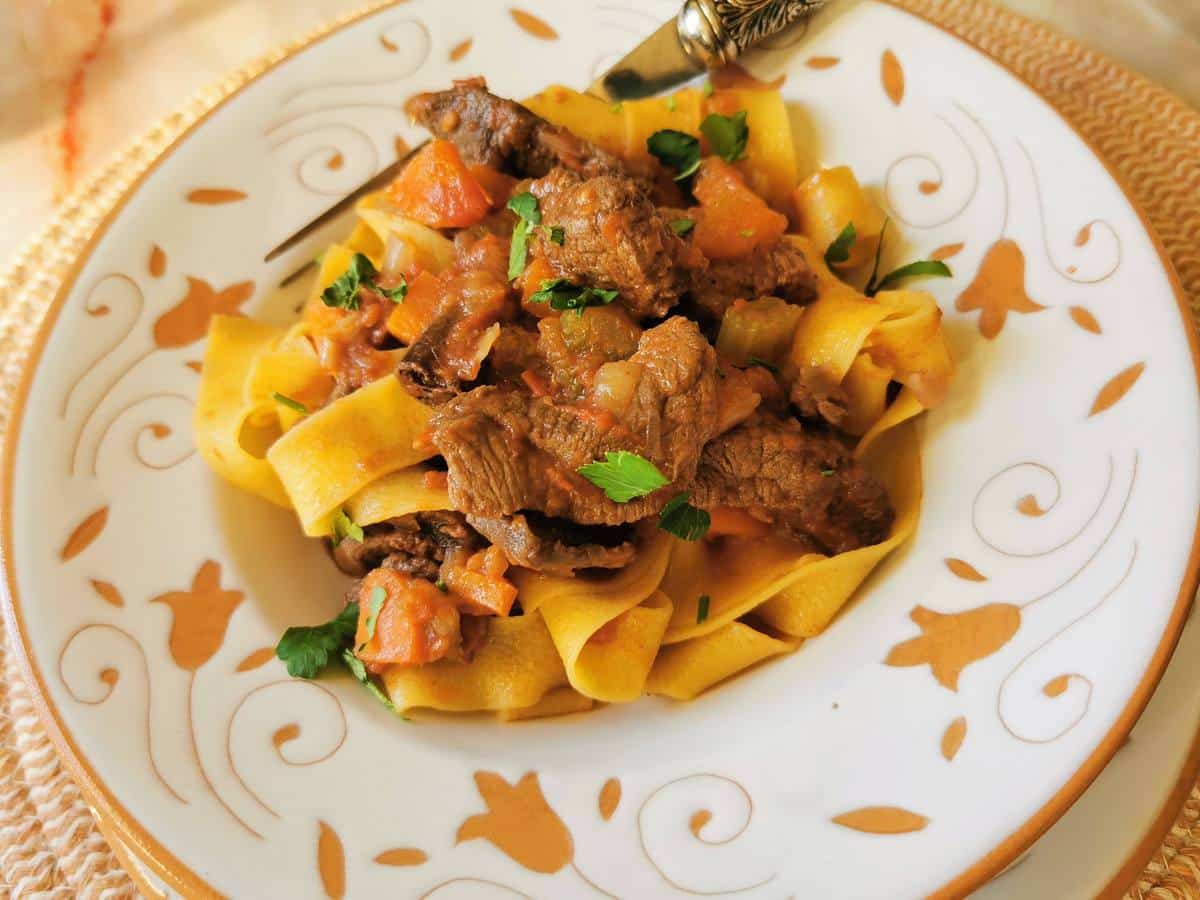
Venison ragu with pappardelle.
This particular pasta with venison ragu recipe comes from Trentino-Alto Adige the Northeastern Italian region which borders Austria and Switzerland and stretches across the Dolomite Alps.
The cuisine in this region is a mixture of Austrian and Italian and, of course, game is an important part of the regional kitchen. The slow-cooked rich ragu is flavored with wine, bay leaves, cloves, cinnamon and juniper berries. The pasta is wide egg pappardelle, but you can also use tagliatelle.
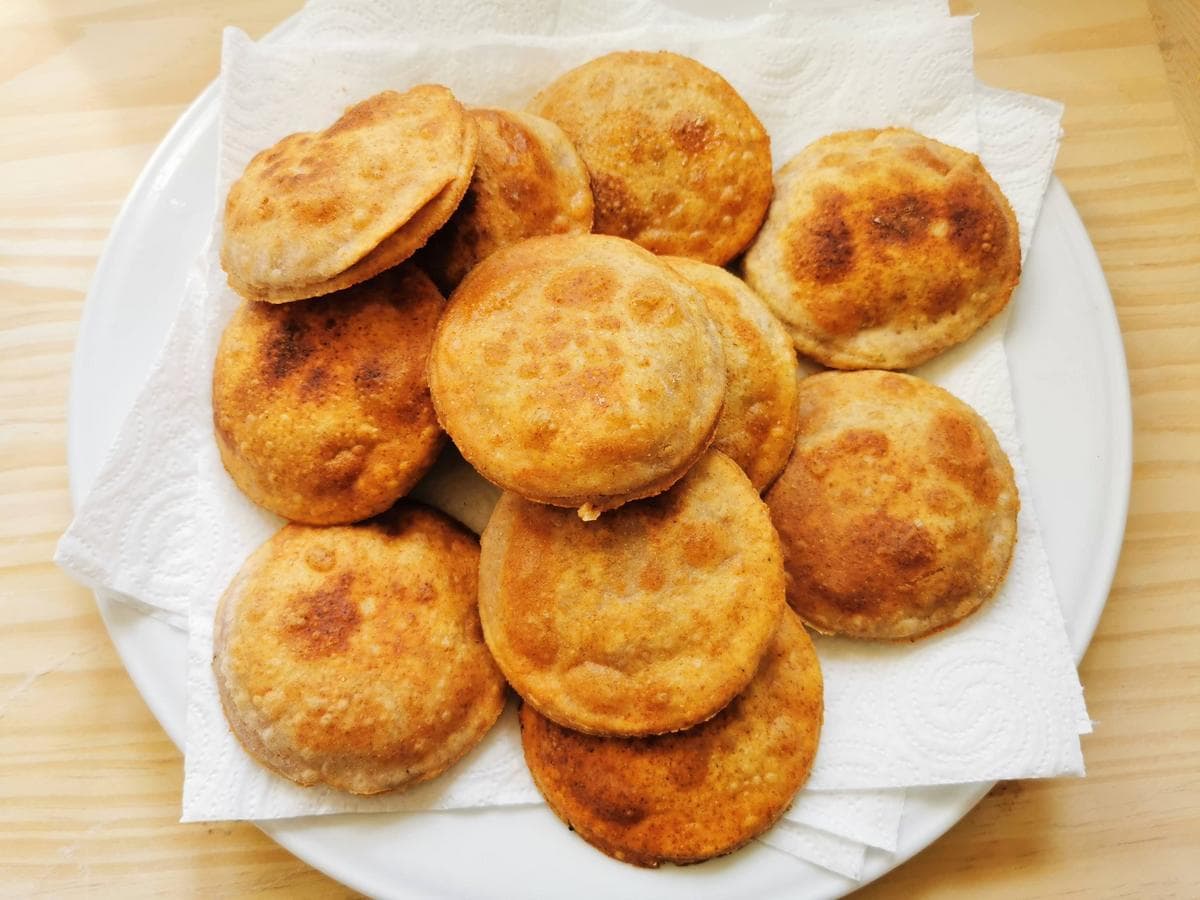
Homemade fried rye ravioli.
Known as tirtlen or tortelli alle erbe, this fried rye flour ravioli comes from the Alto Adige (South Tyrol). There, rye flour is a staple ingredient used to make bread, pasta and other foods. These vegetarian ricotta and spinach raviolis are easy to make and very moreish. They make a great appetizer for guests and you can also serve them at a party as a finger food.
Calabria.
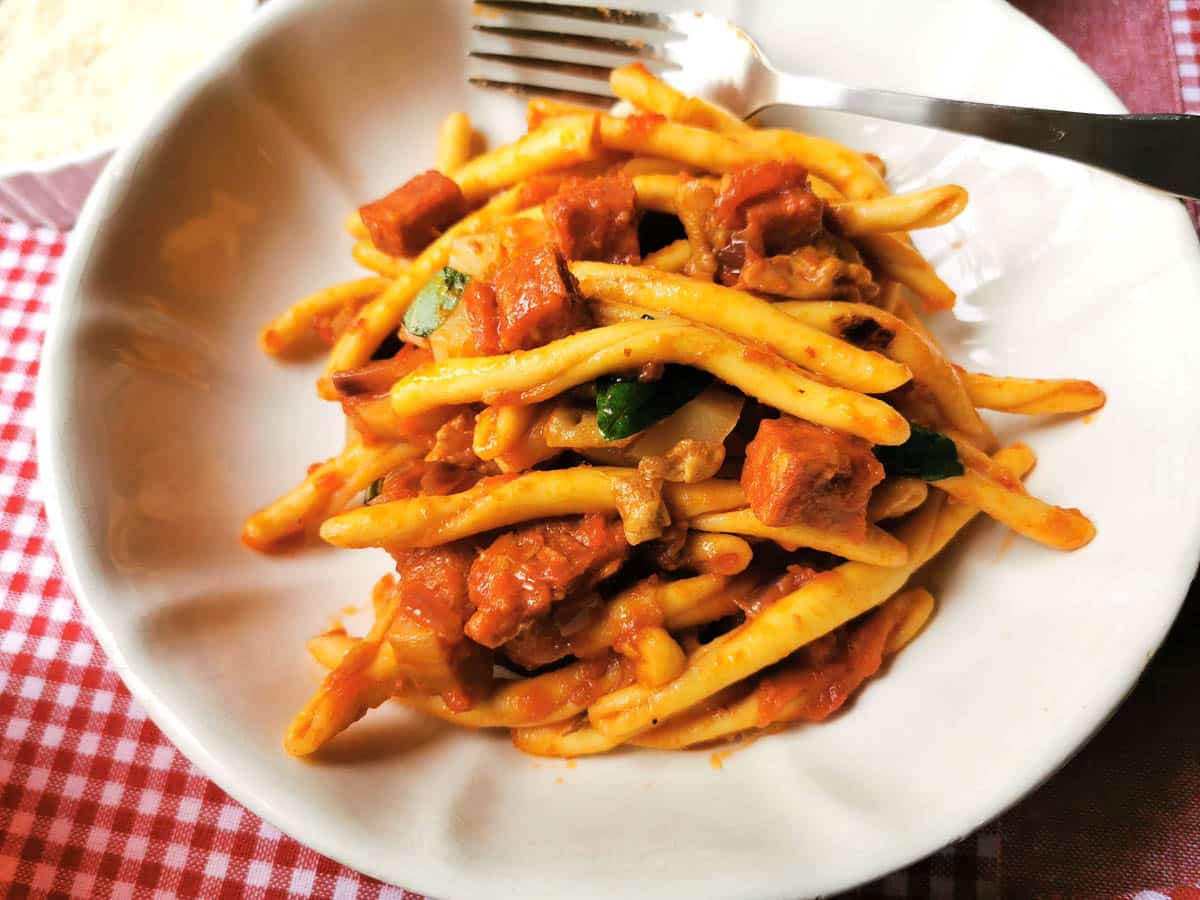
Pasta alla Silana.
This traditional spicy sausage pasta recipe comes from La Sila, a picturesque mountainous plateau in Southern Italy. Residing in a mountainous area that was isolated from the rest of Italy, especially in winter, the people of La Sila developed ways to process and preserve food.
They are well-known for their cheeses and pork products like soppressata, lardo, capicollo, pancetta, sausages, prosciutto and the Calabrian soft spicy sausage nduja. This hearty pasta dish beautifully showcases many of those traditional ingredients.
Friuli Venezia Giulia.
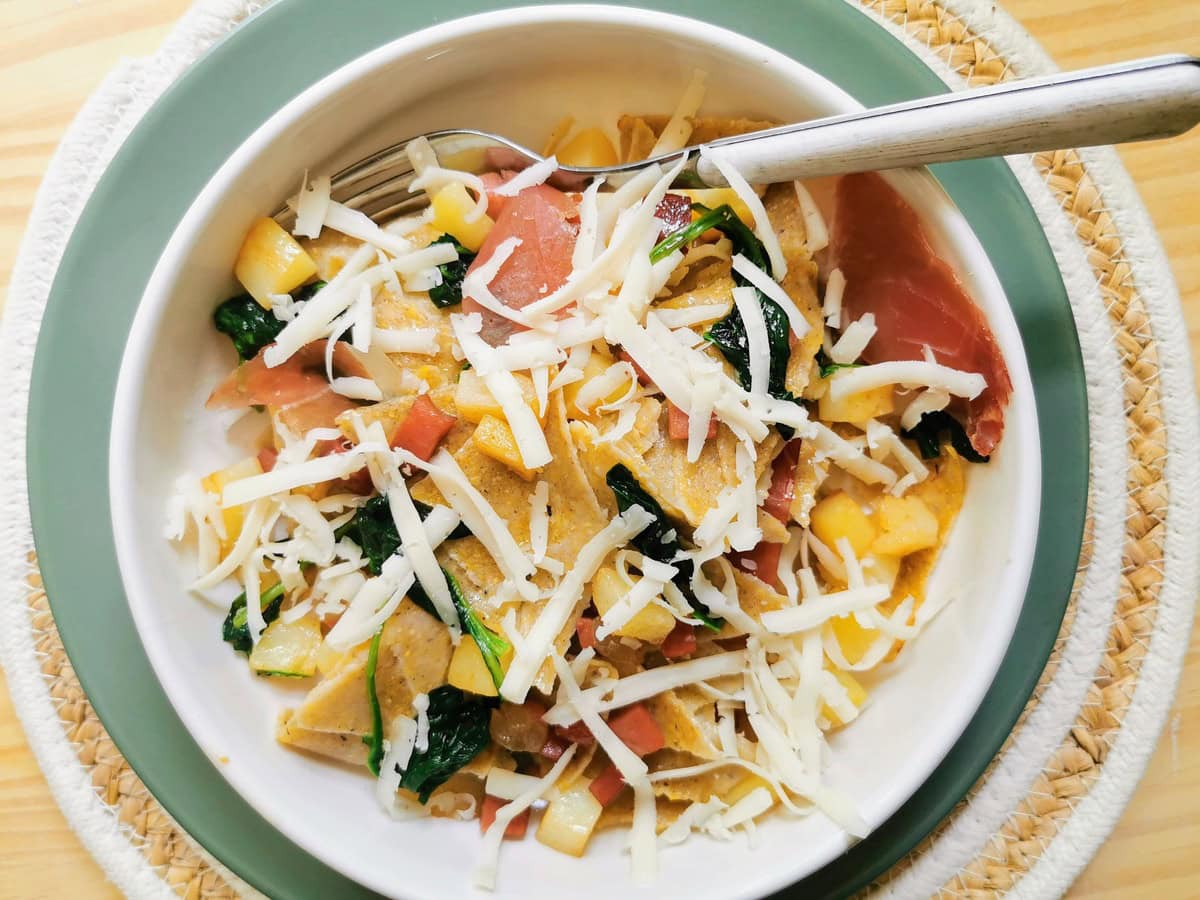
Blecs buckwheat pasta.
Blecs buckwheat pasta, also known as biechi, is a nutritious rustic type of maltagliati from Friuli-Venezia Giulia, but particularly Friuli. Originally invented as a way to use up leftover flour, Blecs often contains buckwheat flour, corn flour and wheat flour. This easy to make homemade fresh pasta is most often served with just butter, sage leaves and local Montasio cheese.
Alpine gnocchi recipes.
Lombardy
Strangolapreti.
Made with bread, spinach, eggs and cheese or flour, strangolapreti are a type of bread dumpling from Eastern Lombardy and Trentino-Alto-Adige. Usually served in a simple sage and butter sauce, these gnocchis are a traditional way to use up leftover stale bread. This is a classic and ancient dish from the Italian mountains and a wonderful recipe to bring a taste of Italy to your table.

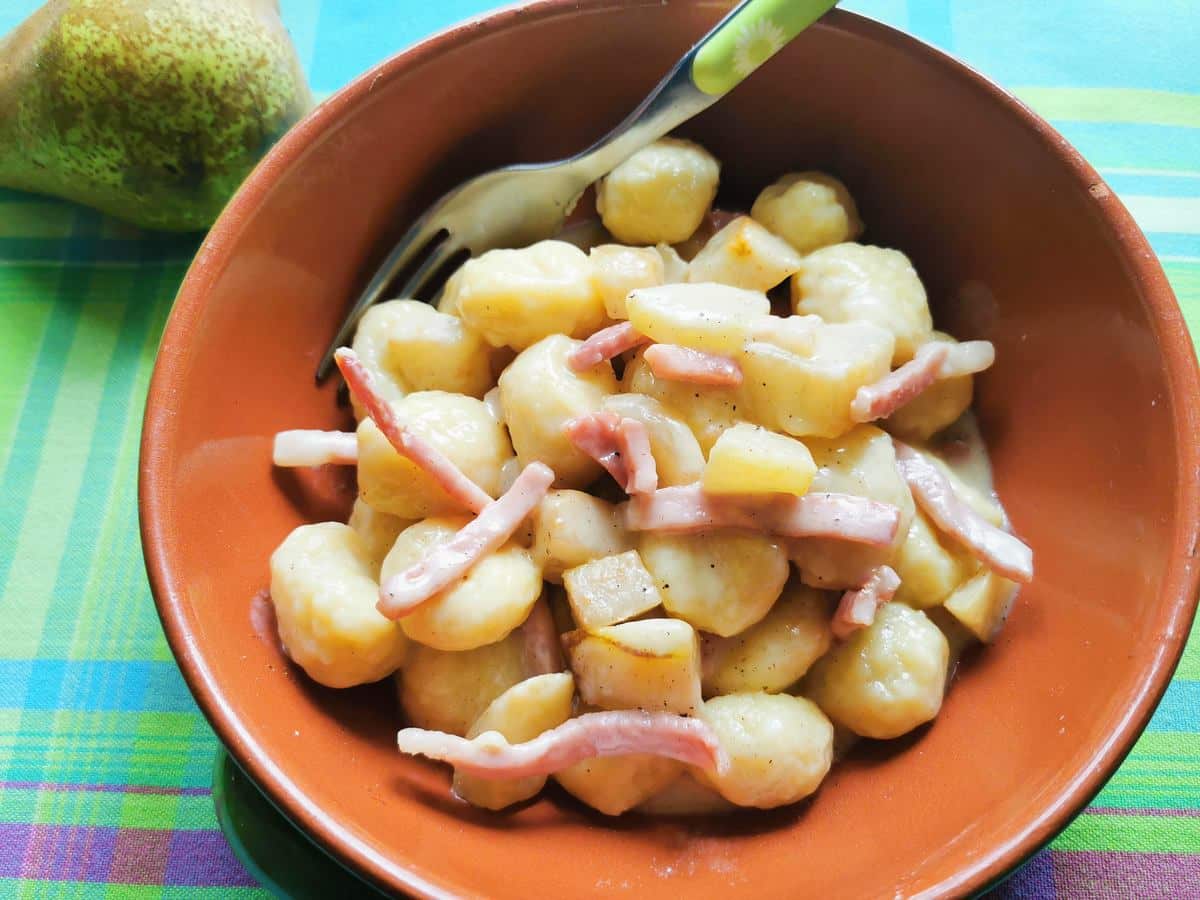
Potato gnocchi with Taleggio, speck and pears.
Taleggio cheese, speck, pears and potatoes are all typical ingredients from Italy’s Alpine regions. Taleggio was first made in the mountain valleys of Lombardy in at least the 10th century, although today Italians make it in other parts of Lombardy and in Treviso, Veneto. All you need is just 5 main ingredients and very little prep to make this outstandingly delicious Alpine gnocchi recipe Serve baked or unbaked.
The Aosta Valley
Teardrop dumplings (chnèfflènè)
Also known as gnocchetti dalla Valle D’Aosta, these teardrop dumplings (chnèfflènè) are a delicious example of Italian mountain recipes. The tiny dumplings are made with a thick batter similar to spaetzle, which you cook in boiling salted water and dress with onions sautéed in butter, wine and a little broth. A simple vegetarian recipe with an interesting and ancient history.

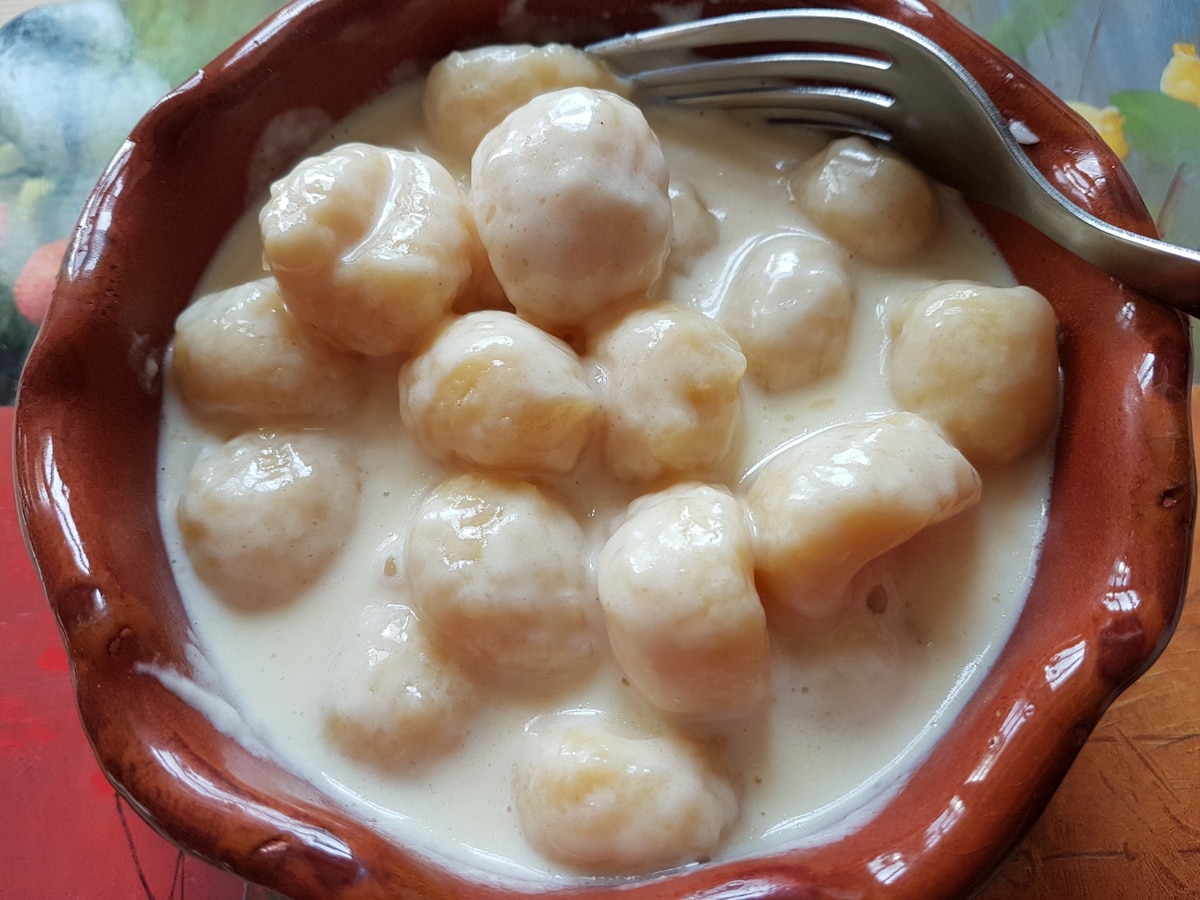
Gnocchi alla Bava
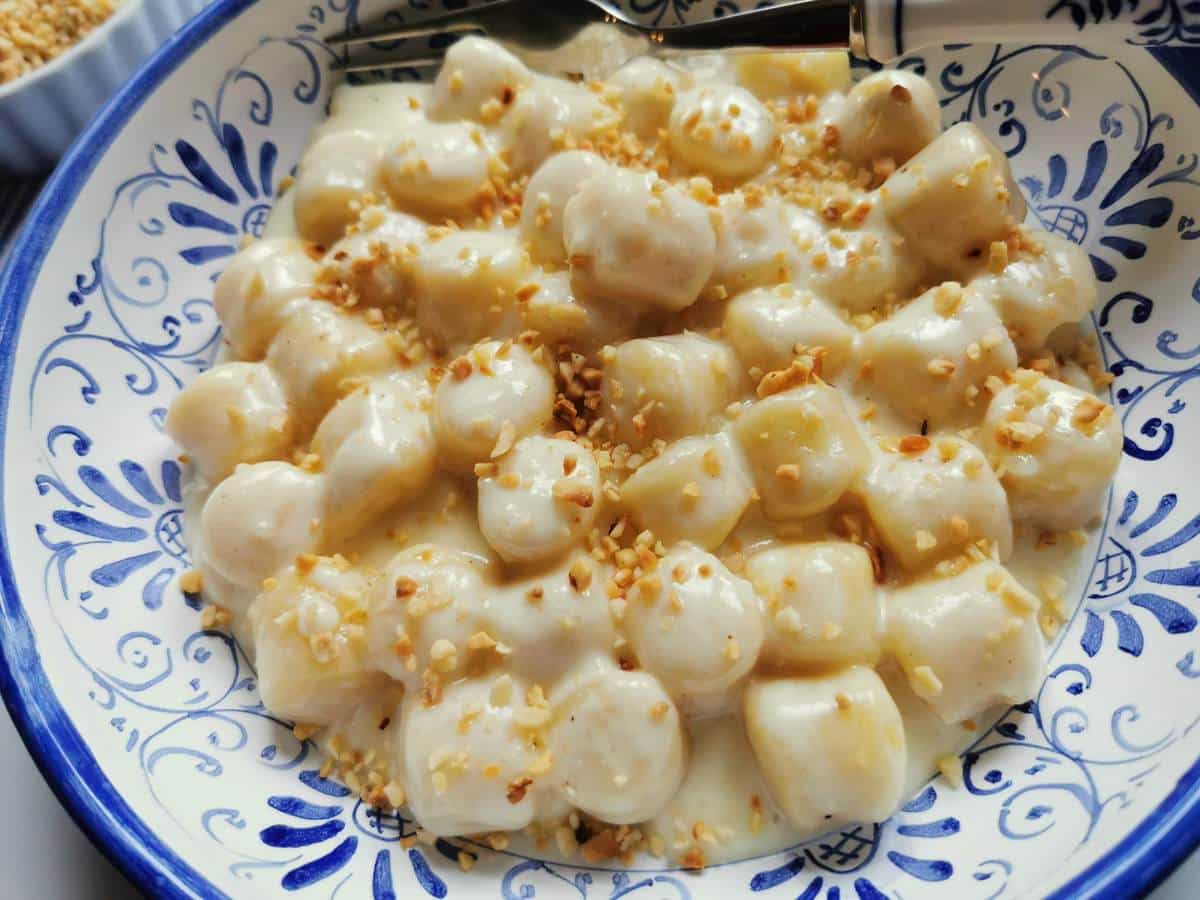
Gnocchi alla bava is a traditional recipe from the Aosta Valley and Piemonte (Piedmont). A creamy and protein rich dish that you can make with classic potato gnocchi or, as per the tradition of the Aosta Valley, with gnocchi made with buckwheat flour. The cheesy sauce contains Fontina, milk and cream. Add walnuts for more protein and some crunch!
Piemonte (Piedmont)
Gnocchi della Val Varaita
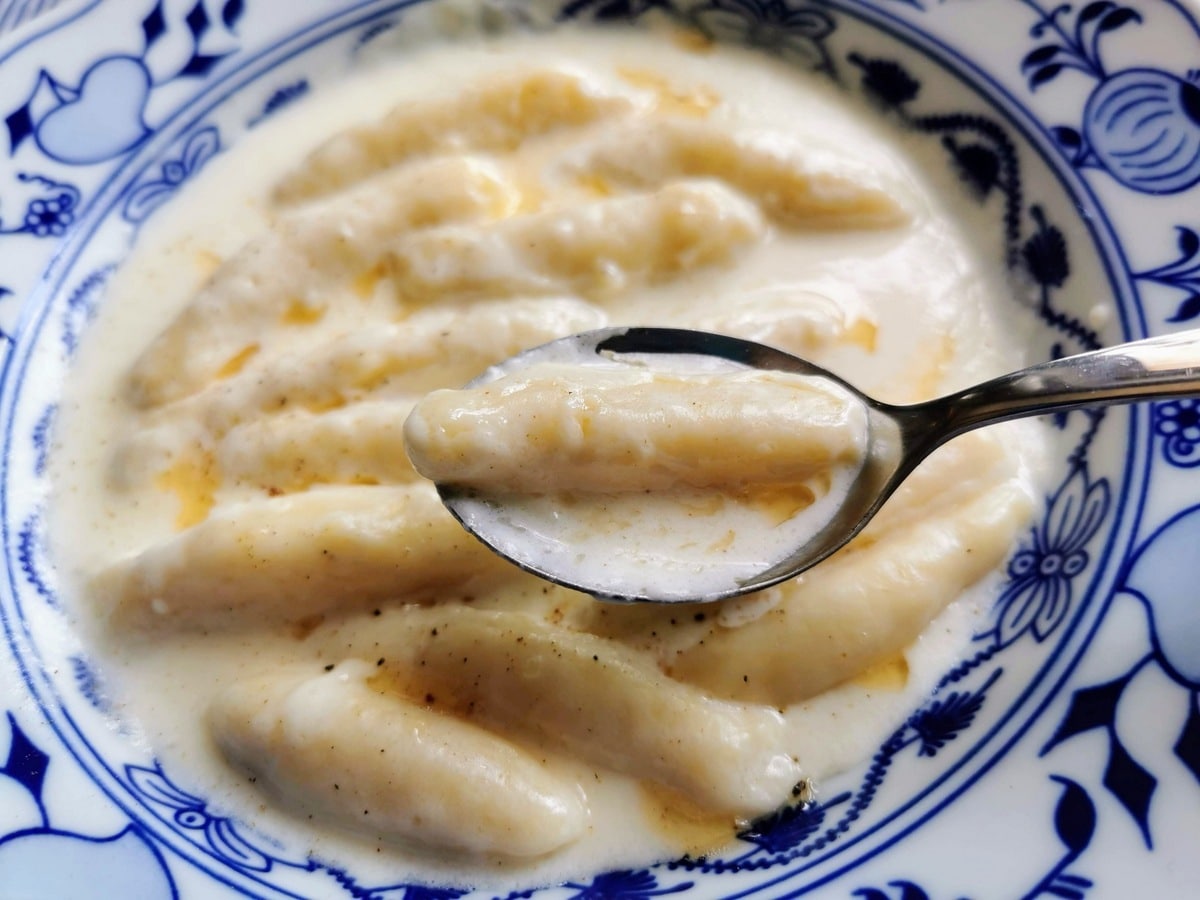
Also called ravioles de Melle, these spindle-shaped traditional potato and cheese gnocchi come from the beautiful Varaita Valley, a long and wide Alpine valley located in Southwest Piemonte in Cuneo Province. They are served in a creamy mountain cheese sauce and dressed with browned butter. A must try for cheese lovers!
Gnocchi with Castelmagno cheese.
Like gnocchi della Val varaita, this gnocchi with Castelmagno cheese is a traditional dish from the Cuneo province of Piemonte (Piedmont). It’s also a super simple recipe, the star of which is, of course, the cheese! Castelmagno is one of Italy’s oldest, rarest and most expensive mountain cheeses. It actually dates back to the 11th-12th century and the days of the emperor Charlemagne. Of course, you can use other types of cheese instead.
Trentino-Alto Adige.
Canederli in broth.
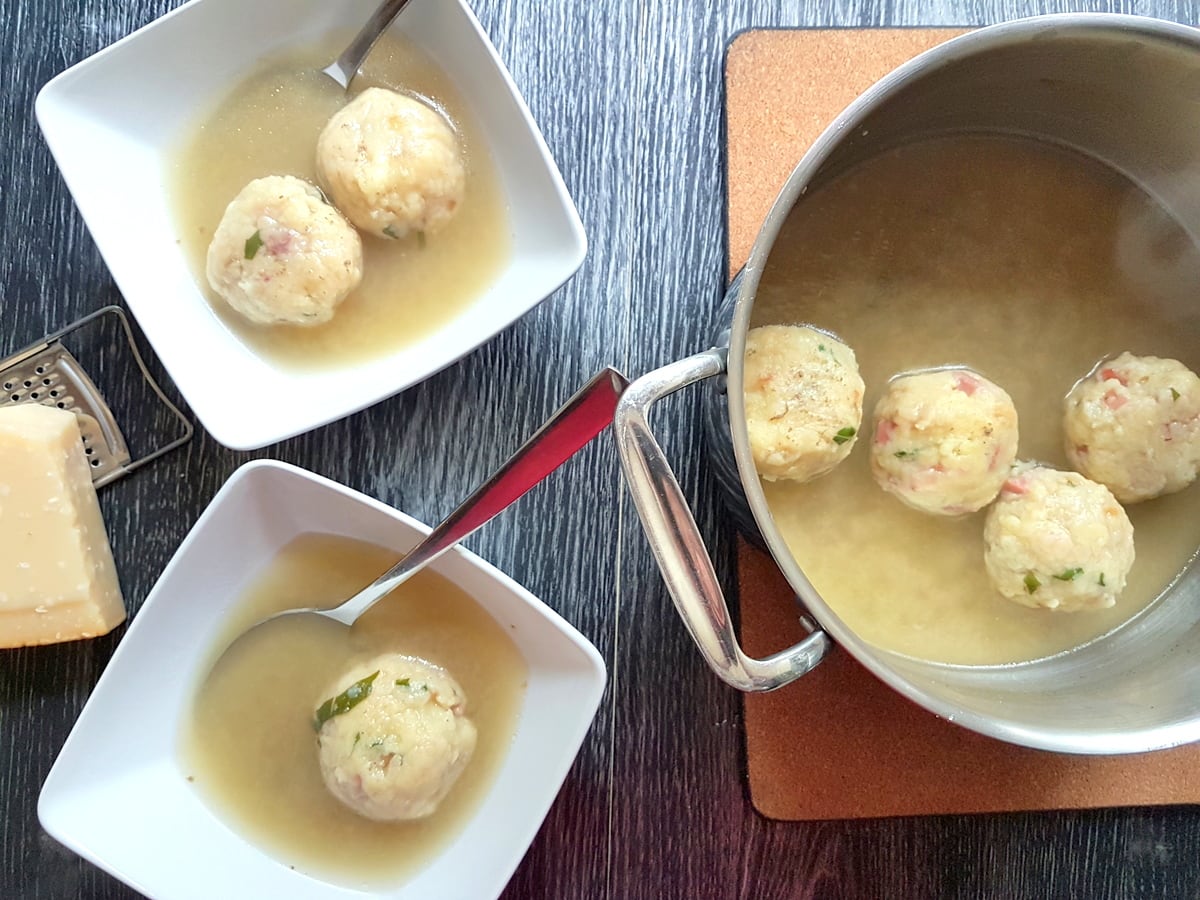
Canederlin in broth is the most well-known Italian mountain gnocchi recipe. This is a signature dish from the beautiful South Tirol that is warming, comforting, filling and healthy!
Canederli are delicious large round dumplings made from a mixture of stale bread, flour, eggs and milk, often with the addition of speck (or other salumi) or spinach. Italians usually eat these bread dumplings with a clear homemade broth. The broth can be beef, chicken or vegetable.
Canederli pressati.
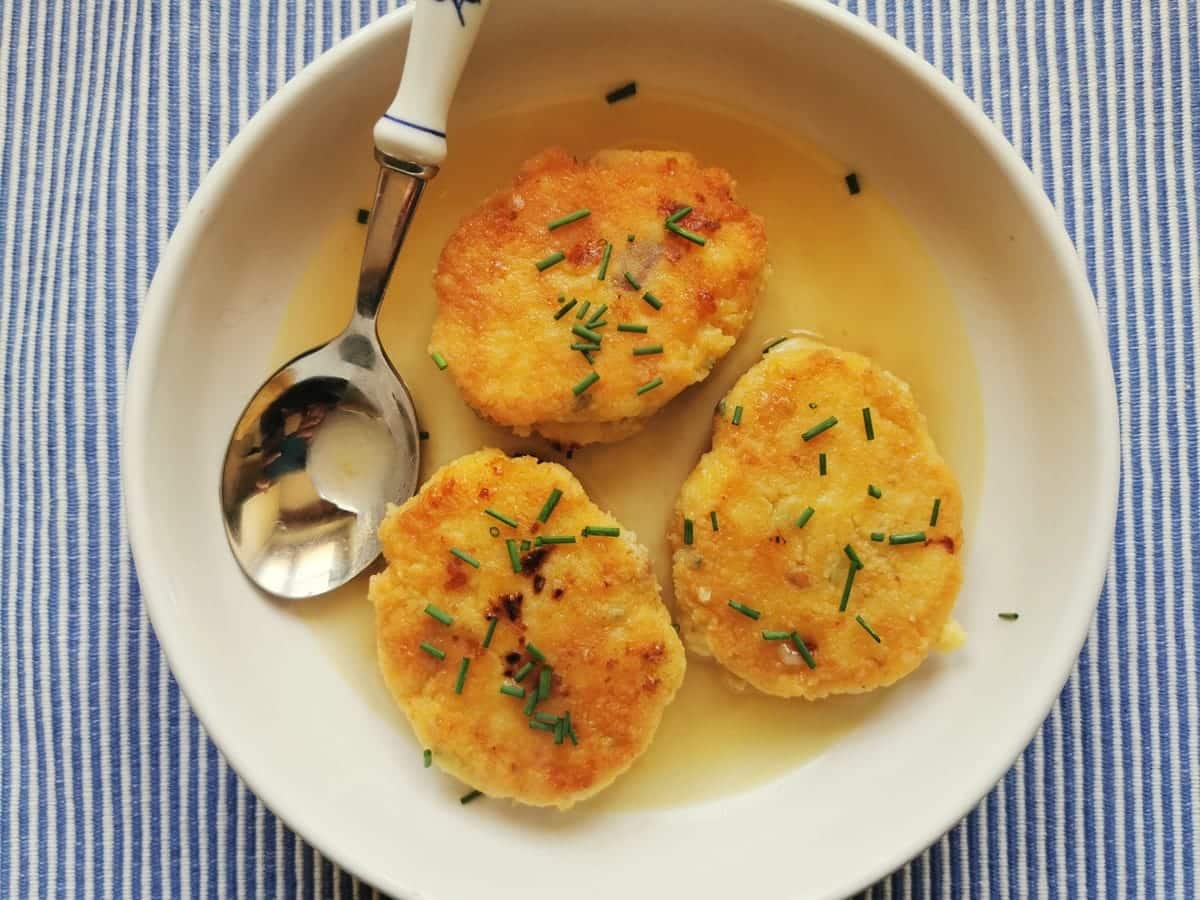
Canederli pressati or pressknodel are Italian fried bread dumplings from the Alto Adige. This is another way to enjoy canederli. However, these dumplings have onions sautéed in butter and cheese in the dough. Easy to make and so delicious, fried canederli are perfect in broth, as a snack or with onion rings, cabbage or salad as a main course.
Friuli Venezia Giulia
Homemade cheesy potato gnocchi.
This recipe for homemade potato gnocchi with cheese and leeks is a wonderful example of traditional Alpine cuisine. Typically made during the Christmas period in Friuli Venezia Giulia, we love this creamy cheesy potato gnocchi all year round! The homemade potato gnocchi have cheese in the dough and the sauce is a cheesy béchamel with sautéed leeks.

Cjarsons (sweet ravioli).
These Cjarsons are a type of sweet ravioli from the town of Pontebba in Friuli Venezia Giulia, near the border with Austria. Known as cjarsons, cjalsons or agnolotti di Pontebbe, these ravioli dolci are popular on holidays and special occasions in the mountainous alpine area of Carnia in Friuli.
There are a number of types of cjarson recipes. In this quite simple version the filling contains figs, prunes and ricotta. The ravioli are served with butter and cinnamon.

If you make any of these Italian mountain pasta and gnocchi recipes, I’d love to hear how they turn out and if you liked them. So, please leave a comment here on the blog or on The Pasta Project Facebook page.
Looking forward to hearing from you!
Buon appetito!
Pin for later.
Reader Interactions