



Planet Barbecue
With the Winter Olympics unfolding in Italy, there’s no better time to revisit these live-fire classics.
What Is Italian Grilling?
Italian grilling is a live-fire cooking tradition rooted in simplicity, seasonality, and respect for ingredients. Rather than layering on bold marinades or heavy sauces, Italian grill masters rely on high heat, olive oil, salt, garlic, and fresh herbs to showcase pristine meats and seafood.
Less intervention. More fire. Maximum flavor.
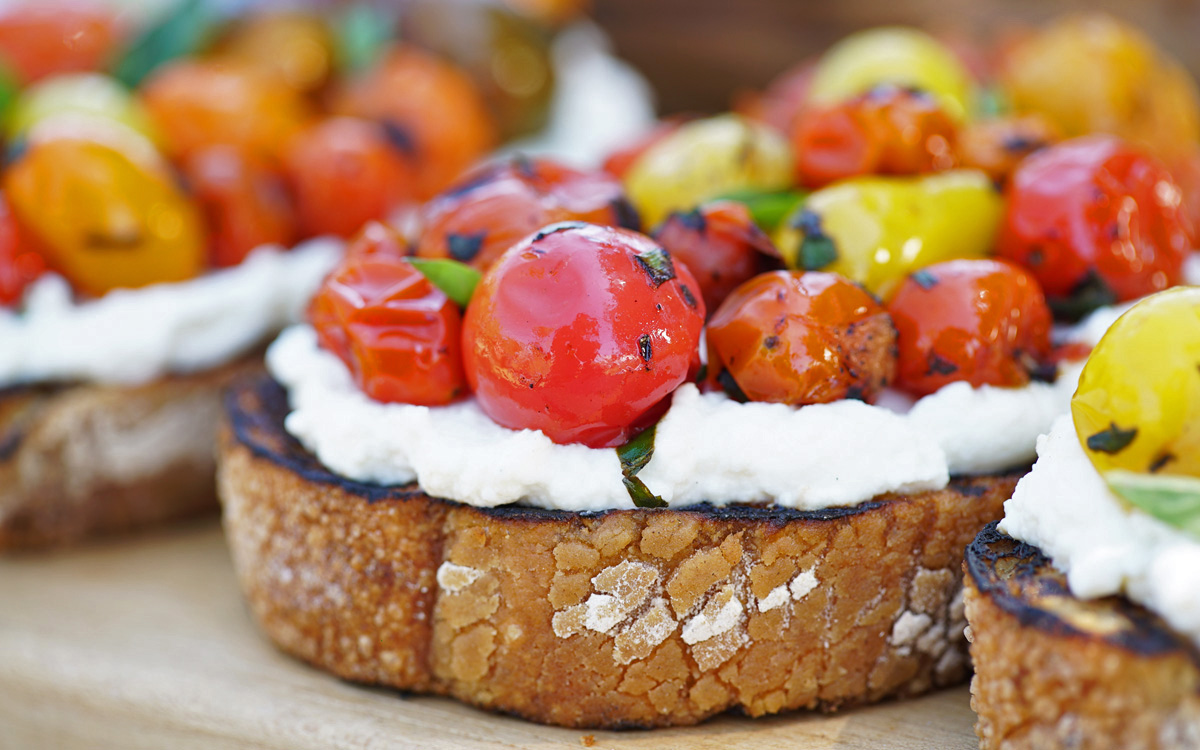
Bruschetta, in its purest form, is grilled bread rubbed with garlic, drizzled with olive oil, and finished with sea salt. Today it often comes crowned with tomatoes and basil—but at heart, it’s simply grilled bread elevated by great ingredients.
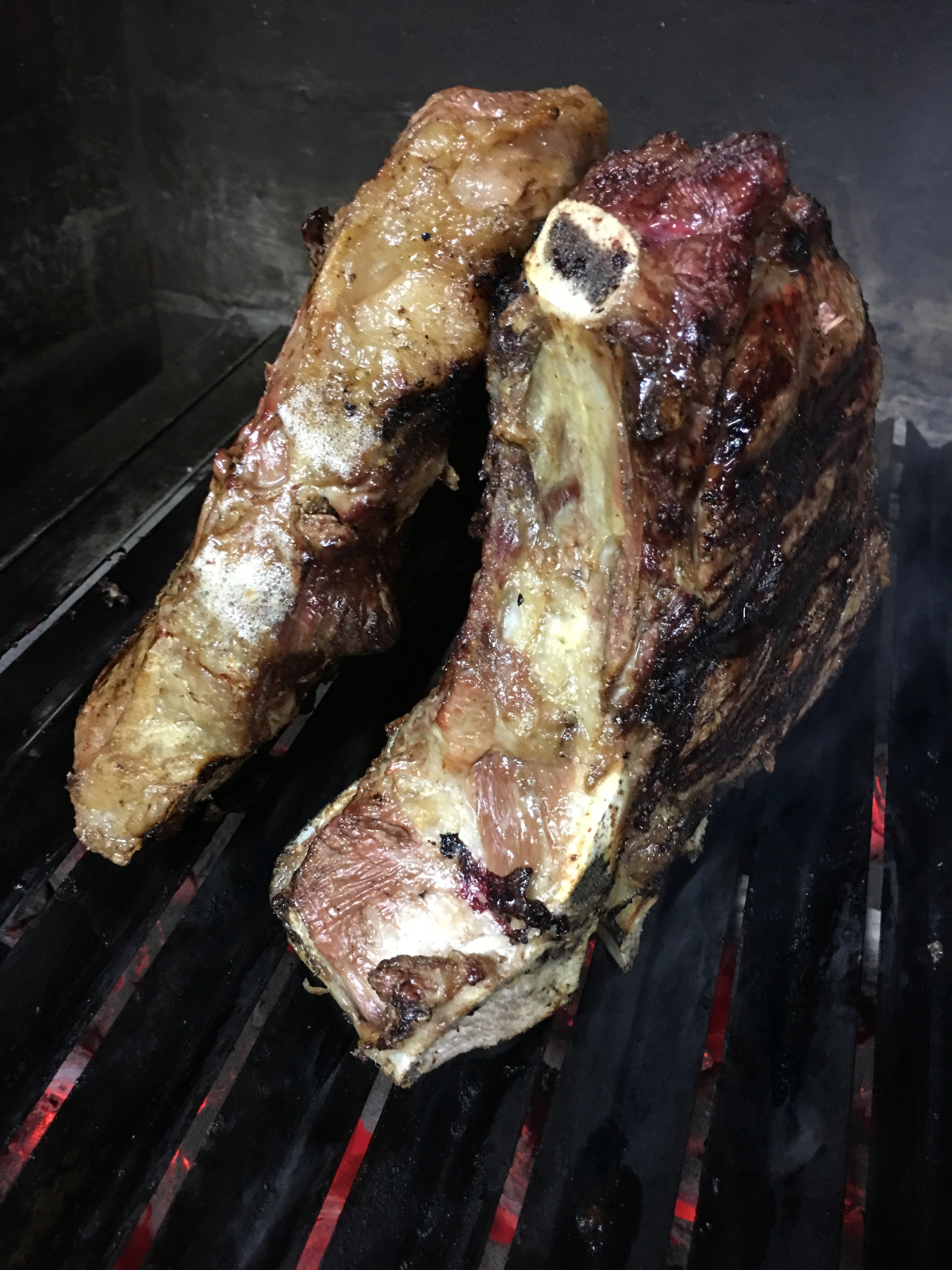
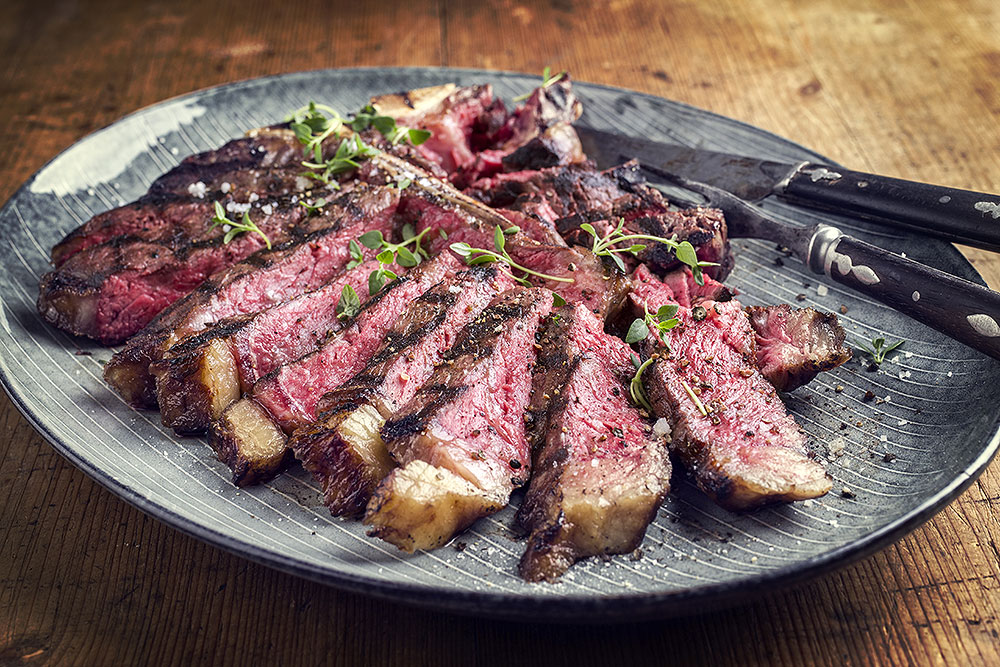
Florentine steak? Picture a Bible-thick porterhouse, seared over blazing charcoal and served rare to medium rare (130–135°F internal temperature), thinly sliced, and glossed with the best extra-virgin olive oil. In Tuscany, that restrained doneness allows the flavor of the beef to take center stage. It’s elemental and unapologetic—one of the world’s great steaks.
And then there’s pollo al mattone—“brick chicken.” A whole bird flattened and grilled under a weight until the skin turns shatteringly crisp and the meat stays juicy, scented with rosemary and sage. It’s one of the most satisfying ways to grill chicken—anywhere.

A few years ago, Steven had the opportunity to explore Italian grilling firsthand. Invited by Gambero Rosso (Italy’s food network), he traveled across northern Italy meeting grill masters and sampling regional specialties. The journey culminated at a castle in Tuscany, where Steven prepared his own Raichlen-style interpretations of the dishes he encountered.

He grilled porterhouse caveman-style—directly on the embers. He stuffed brick chicken with prosciutto, salami, and provolone, transforming it into a sort of poultry calzone. He even reimagined bruschetta as a grilled Italian Reuben.
What he discovered was this: Italians are every bit as devoted to live-fire cooking as Americans are. But the philosophies diverge.
How Italian Grilling Differs from American Barbecue
For Italians, grilling begins and ends with the ingredients. Seasonality and tradition guide everything. The highest goal is respect for pristine meats and seafood. To preserve those flavors, they do as little as possible.
In America, we embrace boldness—spice rubs, marinades, chiles, smoke, and sauce. Bigger flavor, bigger statement.
Italian grilling follows a simpler equation:
Beef + salt + fire (+ olive oil) = steak
Fish + salt + olive oil + lemon = grilled seafood
Chicken + salt + herbs + olive oil = grilled poultry
It’s restraint as an art form.
This year, Italy is hosting the Winter Olympics—and enjoying another distinction. On December 10, 2025, UNESCO inscribed Italian cuisine on its Representative List of the Intangible Cultural Heritage of Humanity. While individual food traditions have been recognized before, Italy became the first nation to have its entire culinary system honored in this way.
A fitting tribute to a culture that understands the power of fire, simplicity, and tradition.
To celebrate, here are three of our favorite Italian grill recipes.
Bruschetta on the Grill
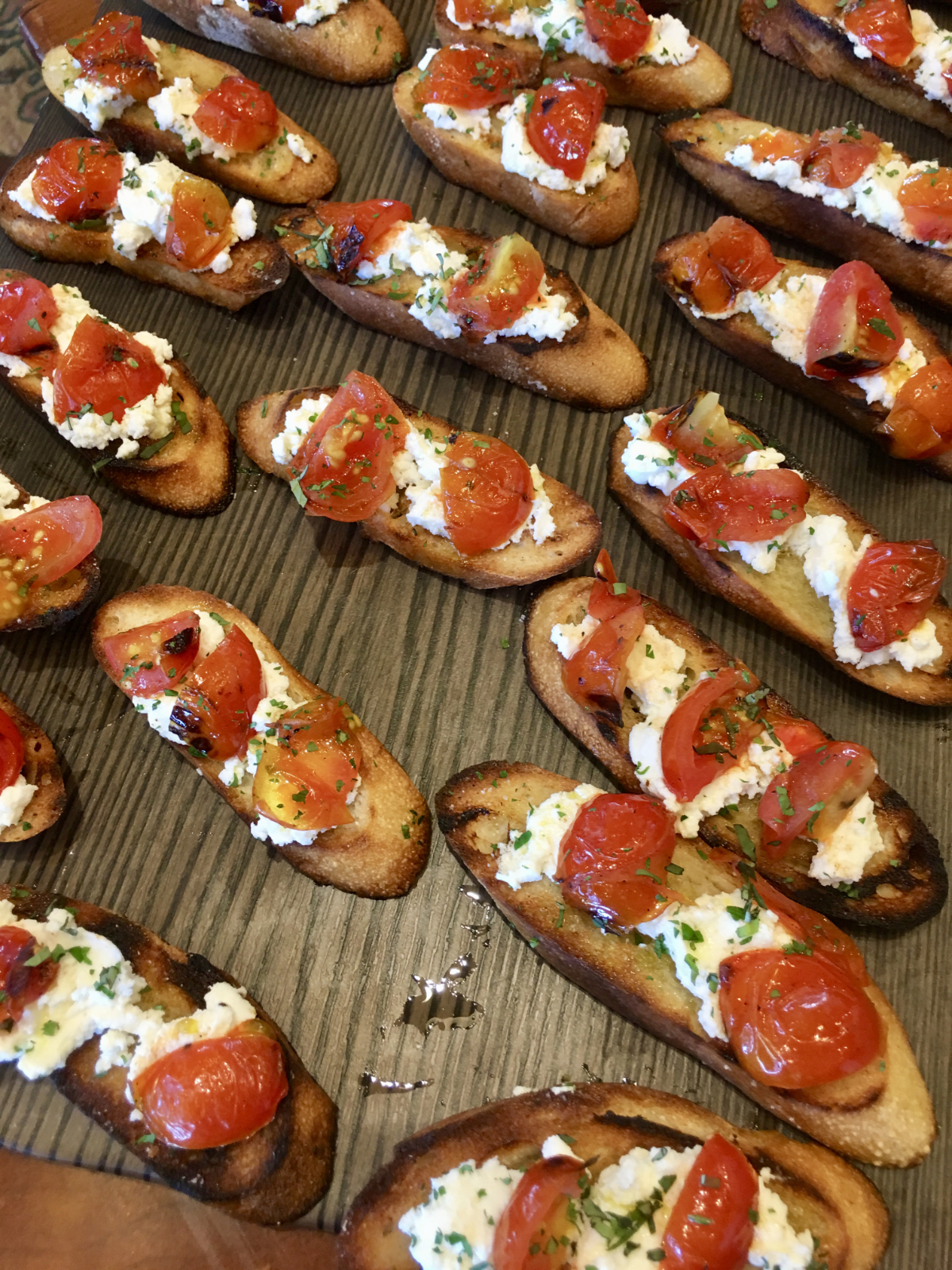
Grilled country bread rubbed with garlic, kissed with olive oil, and topped with blistered wood-grilled tomatoes and creamy ricotta — a bright, simple expression of Italian live-fire cooking.
Get the full recipe >>
Florentine-Style Steak (Bistecca alla Fiorentina)
A classic Tuscan porterhouse seared over intense heat, served rare, and finished with a drizzle of rich extra-virgin olive oil — the steak that helped define Italian grilling.
Get the full recipe >>
Mark Bitterman’s Salt-Brick Grilled Chicken
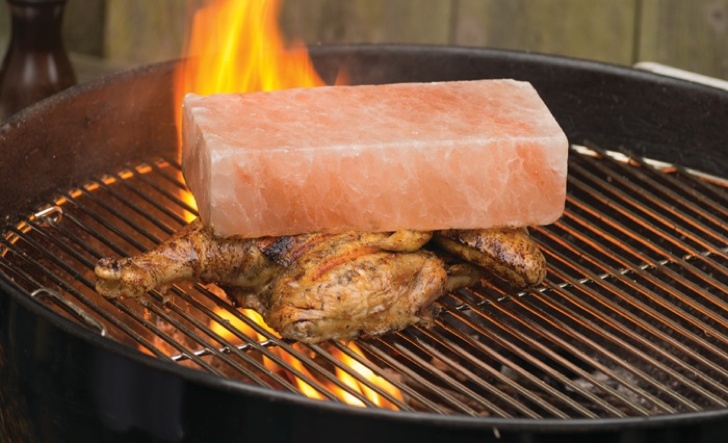
Pollo al mattone done the right way: flattened, seasoned, and grilled under a salt-bricked weight for crisp skin and juicy, herb-scented meat.
Get the full recipe >>
Buon appetito.
Italian Grilling: Frequently Asked Questions
What is bistecca alla Fiorentina?
Bistecca alla Fiorentina is a thick-cut porterhouse or T-bone steak from Tuscany, traditionally grilled over hardwood charcoal and served rare to medium rare (about 130–135°F), then sliced and finished with olive oil and coarse salt.
What does pollo al mattone mean?
Pollo al mattone means “brick chicken.” The bird is flattened and grilled under a weight—often a brick or heavy pan—which helps create crisp skin and evenly cooked, juicy meat.
What makes Italian grilling different from American barbecue?
Italian grilling focuses on simplicity and ingredient quality. Instead of heavy rubs and sauces, cooks rely on salt, olive oil, garlic, fresh herbs, and high heat to highlight the natural flavor of meat and seafood.