


Whether it’s triggered by a gloomy day, a stressful week or just the nostalgic memory of a favorite childhood meal, we all crave those comforting dishes that feel like a warm hug from time to time. The problem, however, is that our most beloved comfort foods like macaroni and cheese, creamy soups and decadent desserts are often high in calories, carbohydrates, saturated fats and simple sugars. While they might taste great in the moment, they often leave us feeling sluggish, and they can contribute to derailing our health goals.
The good news is that you actually don’t have to choose between satisfaction and your own well-being. The key to enjoying comfort foods regularly isn’t cutting them out completely but making strategic substitutions. By making swaps that maintain the flavor and texture we crave while boosting the fiber, protein and nutrient density, we can transform our favorite classic comfort dishes into more nutritious options.
Continue reading to learn about four simple strategies for making your favorite comfort foods more balanced and nutritious.

Healthy Comfort Food: How to Increase Nutrition in Your Favorite Dishes
Upgrading refined carbohydrates
Many comfort foods, such as pasta, rice and mashed potatoes are heavy on white, refined carbohydrates. These are quickly broken down into sugar, which can lead to rapid blood sugar spikes followed by a crash. The goal is to trade the refined white grains for complex carbohydrates that are higher in fiber.
Try these swaps:
Pasta: Instead of traditional white flour noodles, opt for lentil- or chickpea-based noodles. These not only reduce carbohydrates but also significantly increase protein and fiber, making the meal more satiating and less likely to raise blood sugar levels. Shirataki noodles are also a great low-carbohydrate, low-calorie option.
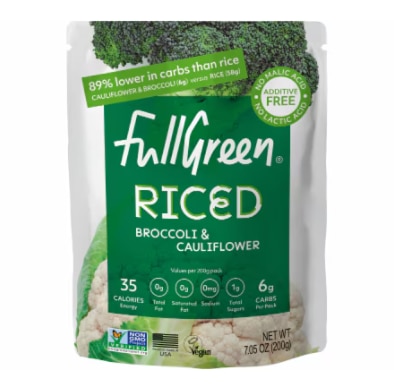
Rice: Transform your stir-fry or risotto base by substituting white rice with cauliflower rice. If you need a grain, use brown rice or farro, which both provide more fiber than white rice.
Mashed Potatoes: Switch to mashed sweet potatoes or a blend of mashed potatoes and mashed cauliflower. Sweet potatoes, while still carbohydrate-dense, offer fiber, vitamin A and a lower glycemic index than white potatoes. For a lighter dish with a protein boost, try mixing in Greek yogurt instead of using heavy cream in your mashed potatoes.
Healthy fat swaps
Creaminess is an important component of many comfort foods. Think about rich sauces, cheesy casseroles and hearty soups. The traditional source of that creamy texture is usually high-fat dairy, such as heavy cream, butter or full-fat cheese. We can achieve the same satisfying creaminess using healthy fats and protein-rich substitutes.
Try these swaps:
Cream/milk in sauces: Skip the heavy cream. Instead, use light coconut milk (the canned varieties work well), blend in silken tofu or use raw cashews soaked in hot water and pureed until smooth. These alternatives provide healthy fats rather than the inflammatory saturated fats.
Baking and sautéing: Replace butter with heart-healthy, high-heat oils like avocado oil. For brownies or cookies, swapping the butter or oil for avocado or unsweetened applesauce can add moisture and fiber while reducing the saturated fat.
Cheese sauces: Try incorporating nutritional yeast for a cheesy flavor that is also a complete protein and rich in B vitamins, antioxidants and minerals. You can also use high-quality aged cheeses, such as fresh Parmesan, which are lower in lactose and often require smaller amounts to achieve the taste you are craving.
Peanut butter: Replace traditional peanut butter with powdered peanut butter in smoothies, pancake batter or other dishes to reduce calories and fat while still boosting protein.
Swapping refined sugar for natural sweeteners
Desserts are arguably the most popular comfort food. The most important adjustment for desserts is to limit processed white sugar, which provides empty calories and causes significant blood sugar spikes, and to use more natural, fiber-containing sweeteners.
Try these swaps:
Use whole foods: In many baking recipes, you can replace refined sugar entirely with pureed dates, ripe bananas or unsweetened apple sauce. These ingredients provide natural moisture and fiber along with their sweetness.
Smart liquid alternatives: When a syrup is needed, swap high-fructose corn syrup or refined sugar with pure maple syrup or raw honey. While still a source of sugar, these options offer trace minerals and have a slightly less intense metabolic impact than processed white sugar.
Zero-calorie sweeteners: For zero-calorie options, look for natural sweeteners such as stevia or monk fruit.
Lean on spices: Don’t underestimate the power of spices and flavors like cinnamon, pure vanilla extract and cocoa powder.
Boost vegetables for volume and nutrients
One of the most straightforward ways to lighten up any comfort food is to increase the vegetable content, which instantly boosts fiber, vitamins and minerals without increasing the calories.
Try these swaps:
Bulking up ground meat: When making meatloaf, chili or Bolognese sauce, replace about half of the ground meat with finely chopped mushrooms, zucchini or shredded carrots. You will maintain texture and volume while boosting fiber and reducing saturated fat.
Hidden veggies: For creamy soups like tomato or broccoli cheddar, add a cup of blended cauliflower or cannellini beans to the base. This provides a velvety texture and a hidden boost of fiber and protein. You can also mix cauliflower, spinach or kale into a smoothie to help increase vegetable intake.
Pizza crusts: Substitute traditional white crusts with thin-crust options made with cauliflower or high-fiber whole-wheat flour.
In summary
The goal of lightened-up comfort food is to find the sweet spot where satisfaction meets improved nutrition. By stocking your pantry with these simple substitutes, you can maintain the emotional connection to your favorite dishes while also supporting your health and wellness goals.
Featured Products


The post Healthy Comfort Food: How to Give Your Favorite Dishes a Nutrition Upgrade first appeared on The Upside by Vitacost.com.