


Choosing a high-quality supplement is less about front-label claims and more about the Supplement Facts panel. Marketing often highlights trendy ingredients, but the true value of a product lies in its formulation, raw material standards and manufacturing transparency. This guide outlines how to verify clinically relevant formulas, bioavailable forms and safe nutrient ratios so you can select evidence-based supplements that actually deliver results.

Formulas: Choose research-backed nutrients
High-quality dietary supplements start with a formula that matches the nutrient forms and doses used in human clinical trials. When a supplement mirrors research protocols, it’s more likely to support the specific health outcomes you’re looking for, whether that’s bone health, immune support or energy metabolism.
For supplement shoppers, key formula questions to consider include:
Evidence-based dosages: Look for nutrient amounts similar to those used in well-designed human studies, not just trace amounts sprinkled in to make the label look impressive.
Clinically validated nutrient forms: Some forms are better documented than others – examples include vitamin D3 (cholecalciferol) for maintaining healthy vitamin D levels and specific forms of vitamin K2, such as MK4 at clinically studied doses, for supporting normal bone remodeling. For example, MK4 (45 mg/day taken in divided doses) has been shown in numerous clinical trials to support healthy bone density and maintain bone strength. †
Synergistic design: Effective supplement formulas often combine nutrients that naturally work together – such as omega-3 fatty acids (EPA and DHA) with antioxidant vitamin E in cardiovascular or brain-health formulas – so that stability, metabolism and utilization of these delicate fats are better supported. †
When a product uses nutrient names borrowed from research but does not match the studied forms or dosages, the marketing may sound science-based, but the results can fall short.
Raw materials: Prioritize absorbable and safe nutrient forms
Even the best supplement formula can underperform if it relies on raw materials that are poorly absorbed or not ideal for your individual needs. Focusing on bioavailable and safe forms of vitamins and minerals helps your body actually use what is in the capsule or tablet.
Important raw-material quality points include:
Highly absorbable mineral forms: Chelated minerals – such as magnesium glycinate, magnesium malate and zinc bisglycinate – are often better tolerated and more bioavailable than simple oxide forms, which may pass through the digestive tract with limited absorption. †
Calcium citrate for absorption and safety: For people with a history of oxalate kidney stones, calcium citrate is typically preferred over other forms because citrate can support urinary citrate levels and may help reduce stone risk while still providing well-absorbed calcium.†
Cleaner “other ingredients”: High-quality supplements keep excipients simple and purposeful, minimizing artificial colors, sweeteners and unnecessary fillers that do not contribute to safety, stability or effectiveness.
When comparing supplements online or in-store, choosing products that clearly list the specific forms of nutrients – and favoring chelated and clinically used forms – can significantly improve how well the supplement supports normal, healthy function. †
Key safety checks on supplement labels
A few focused label checks can help you avoid common problems that are easy to miss when scanning a Supplement Facts panel. Paying attention to mineral ratios, B-vitamin doses and specific forms of B12 and folate can make supplement use safer and more effective.
Helpful safety checks include:
Zinc-to-copper ratio: Long-term high-dose zinc can interfere with copper absorption, leading to copper deficiency, anemia and immune changes. Many practitioners recommend keeping supplemental zinc and copper in a 10:1 ratio – for example, 10 to 15 mg of zinc with about 1 to 2 mg of copper – which falls within an often-cited 8:1 to 15:1 range and helps maintain copper status while still allowing meaningful zinc support. Exceeding upper zinc limits (around 25–40 mg per day for adults, depending on the authority) without proportionally increasing copper raises the risk of imbalances over time.†
B-vitamin toxicity thresholds: Most B vitamins are water-soluble and excess amounts are excreted, but very high doses of some – especially niacin (vitamin B3) and vitamin B6 – can cause side effects. Niacin in gram-level doses (around 1 to 3 g/day of nicotinic acid) has been associated with flushing, liver stress, high blood sugar and other adverse effects, while chronic intake of very high vitamin B6 doses (hundreds of milligrams per day) has been linked to nerve-related symptoms. Expert groups have proposed upper limits in the low tens of milligrams per day for routine use to maintain a margin of safety.†
Methylated B12 and folate: Vitamin B12 and folate work together in methylation pathways that help convert homocysteine to methionine and support DNA synthesis and normal nerve function. Because common genetic polymorphisms in the MTHFR enzyme can reduce the conversion of folic acid to its active methylated form, many clinicians prefer methylcobalamin (a methylated B12) and methylfolate (5-methyltetrahydrofolate) as supplements, providing ready-to-use forms that better match what the body needs in these pathways.†
Iron absorption and side effects: Ferrous bisglycinate is a chelated iron form in which iron is bound to the amino acid glycine, creating a stable complex that is better protected as it travels through the digestive tract. Clinical and practical reports suggest that ferrous bisglycinate tends to be more bioavailable and produces fewer gastrointestinal complaints—such as constipation and abdominal discomfort—than common salts like ferrous sulfate. If iron supplements have caused significant cramping or constipation in the past, choosing a more absorbable form, such as ferrous bisglycinate, may make long-term use more manageable.†
Reading labels with these details in mind allows you to personalize choices – especially if you are using individual B-vitamin products or higher-dose zinc – and reduces the risk of subtle but important nutrient imbalances.
Manufacturing quality: How your supplements are made matters
Manufacturing quality directly affects whether a dietary supplement consistently delivers the potency and purity listed on its label. Strong quality systems reduce the risk of contamination with heavy metals, microbes and undeclared substances, helping you feel more confident about long-term use.
Key markers of high manufacturing quality include:
cGMP-compliant facilities: Reputable companies manufacture supplements in facilities that follow current Good Manufacturing Practices, which cover everything from raw-material qualification and equipment cleaning to batch testing and record keeping.
FDA-registered sites: While the FDA does not pre-approve dietary supplements, high-quality brands often produce products in facilities that are registered with the agency and subject to inspections.
Documented quality programs: Some companies describe their quality-control systems in detail – such as supplier qualification, in-process checks and finished-product verification – signaling a deeper commitment to consistently reliable supplements.
Choosing supplements from brands that highlight their manufacturing standards is one of the most effective ways to ensure that every bottle you buy delivers the same, predictable quality.
Third-party testing: Independent verification of supplement quality
Third-party testing is one of the strongest indicators that a supplement brand takes quality seriously, because it brings in independent laboratories to verify what is in the bottle. This testing helps confirm that the product meets standards for identity, potency and purity.
What to look for in third-party testing
Certified independent labs: Testing conducted by accredited external laboratories (rather than only in-house) can reduce bias and increase confidence in the reported results.
Comprehensive testing panel: High-quality supplements are often screened for heavy metals, microbial contamination and, when relevant, allergens and common adulterants, in addition to confirming active-ingredient potency.
Transparency and access to results: Some brands publish certificates of analysis or detailed quality summaries, or will provide them on request, which can be especially helpful when comparing products in the same category.
When a supplement company clearly explains its third-party testing practices and is transparent about results, it becomes easier to choose products that are both safe and consistent with their label claims – without having to rely on hype-driven marketing.
Product guarantees and company support
A strong product guarantee is another signal that a manufacturer stands behind its supplements and expects them to perform as intended. Clear return policies and responsive customer support can make it easier to try a product and adjust if it is not a good fit for you.
When evaluating guarantees, consider whether:
- The company offers a reasonable satisfaction or money-back guarantee, with terms that are easy to understand and not overly restrictive.
- Customer service is easy to reach and knowledgeable about product details, including ingredient forms, testing practices and how to use supplements safely alongside a healthy lifestyle and medical care.
Combined with thoughtful label review, solid manufacturing practice and robust testing, a meaningful guarantee can help you feel more confident that the brand will work with you to resolve issues and support your long-term health goals.
†These statements have not been approved by the Food and Drug Administration. These products are not intended to diagnose, treat, cure or prevent disease.
References
- https://www.fda.gov/food/information-consumers-using-dietary-supplements/questions-and-answers-dietary-supplements
- https://ods.od.nih.gov/factsheets/WYNTK-Consumer/
- https://ods.od.nih.gov/factsheets/Copper-HealthProfessional/
- https://pmc.ncbi.nlm.nih.gov/articles/PMC11243279/
- https://thenutritioninsider.com/learn/can-you-overdose-on-b-vitamins/
- https://pubmed.ncbi.nlm.nih.gov/37207271/
- https://emedicine.medscape.com/article/819426-overview
- https://pmc.ncbi.nlm.nih.gov/articles/PMC11512882/
- https://www.frontiersin.org/journals/neurology/articles/10.3389/fneur.2018.01162/full
10. https://www.medicalnewstoday.com/articles/do-iron-supplements-cause-constipation
Featured Products
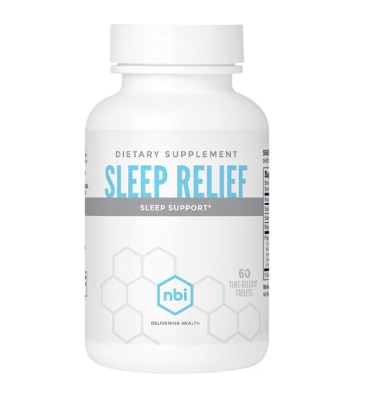
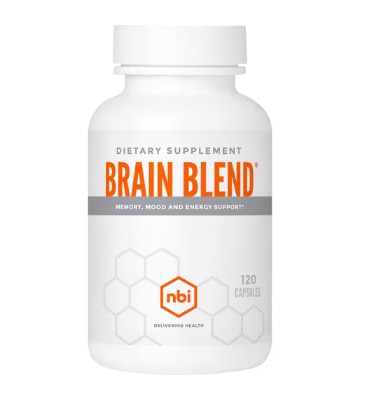
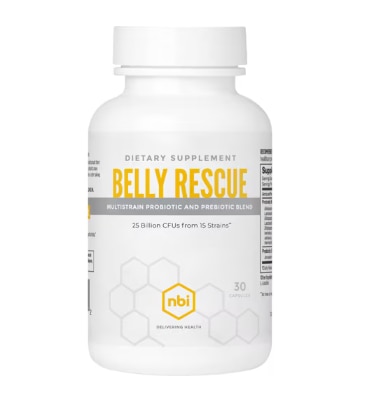
The post Beyond the Label: A Guide to Choosing High-Quality Supplements first appeared on The Upside by Vitacost.com.