



Back to Barbecue Basics
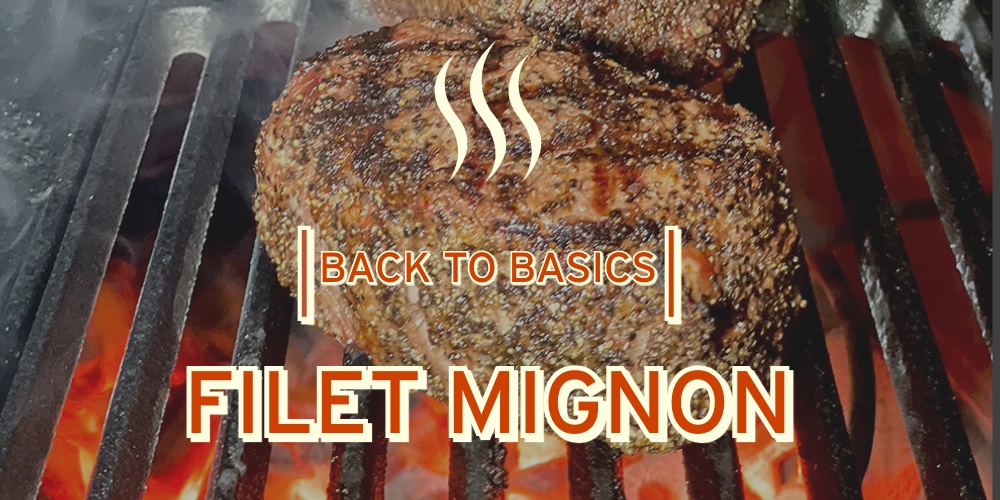
Photo Credit: Steve Nestor
Presented by Wildfire Outdoor Kitchens
BarbecueBible Back-to-Basics: Breaking down essential live-fire techniques every griller should master.
Prime filet mignon is a cut that’s prized for its tenderness and finesse. In the BarbecueBible test kitchen, I get to experiment with different cuts of steak, cook on an assortment of grills and smokers, and try a variety of cooking techniques. One technique that has become my “go-to” for thick steaks (over 1-inch in thickness) is the reverse-sear method.
What Is the Reverse-Sear Method?
Reverse-seared filet mignon is cooked by first smoking or roasting the steak at a low temperature (around 250°F) until it reaches an internal temperature of 100 to 110°F, then finishing it over high direct heat to develop a flavorful crust. This method promotes even doneness from edge to center while maximizing exterior browning.
Steven Raichlen has spent decades refining live-fire cooking techniques.
“Filet mignon rewards precision. Start it low, finish it hot, and let the fire build the crust while protecting that tender center.”
— Steven Raichlen

Photo Credit: Steve Nestor
Why This Technique Works
The reverse-sear method promotes even cooking and, because I don’t have to stand over the grill during the smoking phase, it frees up time to make side dishes. I monitor the temperature of the steak with a wireless thermometer, and the final searing requires only a few minutes per side.
One of my favorite preparations is simple, flavorful and worth the effort; I wrap bacon and sage leaves around the filet, which not only adds flavor to the filet, but pairs surprisingly well with the texture and taste of the beef.

Photo Credit: Steve Nestor
Setting Up the Grill
For the smoking component of the reverse-sear method, I set up my grill for indirect grilling and added two oak wood chunks to create smoke. Normally, I simply season the filets with kosher salt and freshly cracked black pepper, but you can use your favorite steak rub.
Once the grill reached 250°F, I introduced the steaks and, again, monitored them with a wireless thermometer while simultaneously preparing my side dishes.

Photo Credit: Steve Nestor
The Reverse-Sear, Step by Step
Once the steaks reached an internal temperature of 100 to 110°F, I removed them from the grill and let them rest on a rack over a rimmed baking sheet. Then, I removed the diffuser plate and put in the cast iron grill grates which created a perfect sear on the filets and crisped up the bacon.
The steaks were grilled 3- to 4-minutes on each side, reaching 130 to 135°F for medium-rare, and 140 to 145°F for medium. The total cooking time for the reverse-sear method is longer than if I had to stand over the grill and flip the steaks, but the results are worth it!
Temperature and Doneness Guide
Use an instant-read thermometer inserted sidewise into the thickest part of the steak.
- Rare: 120 to 125°F
- Medium-rare: 130 to 135°F
- Medium: 140 to 145°F
- Medium-well: 150°F and above
Remove the steak about 5 degrees before your target temperature, as carryover cooking will continue during resting.
The Results
The filets were fork-tender, but juicy. The bacon was crispy, and it added additional smokiness to the filet. The sage provided an herbal freshness that balanced the bacon and enhanced the flavor of the filet.
The salt and pepper and high heat of the cast iron grates created an enjoyable, delicious, and crusty exterior – and it contrasted with the texture of the succulent filet. I served the filets with a mushroom and pea risotto.
Prime filet mignon — when cooked with the reverse-sear method — delivers a tender, juicy steak with rich flavor and a beautiful crust. Master this technique, and you’ll have a reliable foundation for cooking any thick steak over live-fire.

Photo Credit: Steve Nestor
Video Credit: Steve Nestor
Filet Mignon and the Reverse-Sear Method: Frequently Asked Questions
What internal temperature should I target for reverse-seared filet mignon?
For medium-rare, finish at 130 to 135°F. For medium, finish at 140 to 145°F. For medium-well, finish at 150°F and above. Pull the steak about 5°F before your target temperature to account for carryover cooking during resting.
What temperature should the grill be for the low-and-slow stage?
Set up for indirect heat around 250°F. Cook until the steak reaches 100 to 110°F internal temperature, then finish over high direct heat for the crust.
Why reverse sear instead of searing first?
Reverse searing promotes more even doneness from edge to center and reduces the overcooked gray band under the crust. You get better control over the final temperature, then a fast sear for flavor.
How thick should filet mignon be for reverse searing?
Reverse searing works best with steaks at least 1 to 1½ inches thick. Thicker steaks benefit most from the low-and-slow stage and are easier to finish with a quick, high-heat sear.
What wood works best for smoking filet mignon?
Mild hardwoods like oak or cherry complement filet mignon without overpowering its flavor. Use a light touch so the smoke stays in the background.
More Recipes for Filet Mignon
Also Read: