



Back to Barbecue Basics
Salmon is America’s favorite fish and right now is the ideal time to put it on your menu. Especially in the Pacific Northwest. Salmon is also one of the best fish you can grill. But if you are not careful, it may not come out perfect. A few minutes too long on the grill and it can come out dry. Or it can stick to the grate, and go from silky to chalky before you know it.
The good news is, salmon is not difficult once you understand the basics.
Why Salmon Works So Well on the Grill
Salmon is one of the best fish for grilling because it has enough natural fat and structure to stand up to live fire. A leaner, more delicate fish can dry out or fall apart quickly. But salmon, on the other hand, is more forgiving.
Skin-on salmon is especially grill-friendly. The skin helps protect the flesh from direct heat, holds the fillet together, and puts a natural barrier between the fish and the grate. Thicker pieces are also more forgiving because they cook more evenly and give you a wider window of being over- or undercooked.

If you can, avoid very thin tail-end pieces for grilling. They cook fast and can dry out before the rest of the meal is ready. Wild salmon can be excellent on the grill, but it is usually leaner than farmed salmon, so it needs a little more attention and a gentler hand with the heat.
The Best Time and Temperature, and Doneness for Grilling Salmon
For most salmon fillets, set up your grill for medium-high heat, around 375°F to 425°F. If you like one number to aim for, then 400°F is good. That’s hot enough to help the salmon cook nicely and pick up a little char flavor, but not so hot that the outside cooks before the inside.
Depending on how thick your fillet is, cooking times can fluctuate. A thin piece could take 6 or 7 minutes total while a thicker one could take a bit more. At 400°F, a skin-on piece could take 10 to 12 minutes. The clock is more of an estimate; what really matters is the internal temperature of the fish.
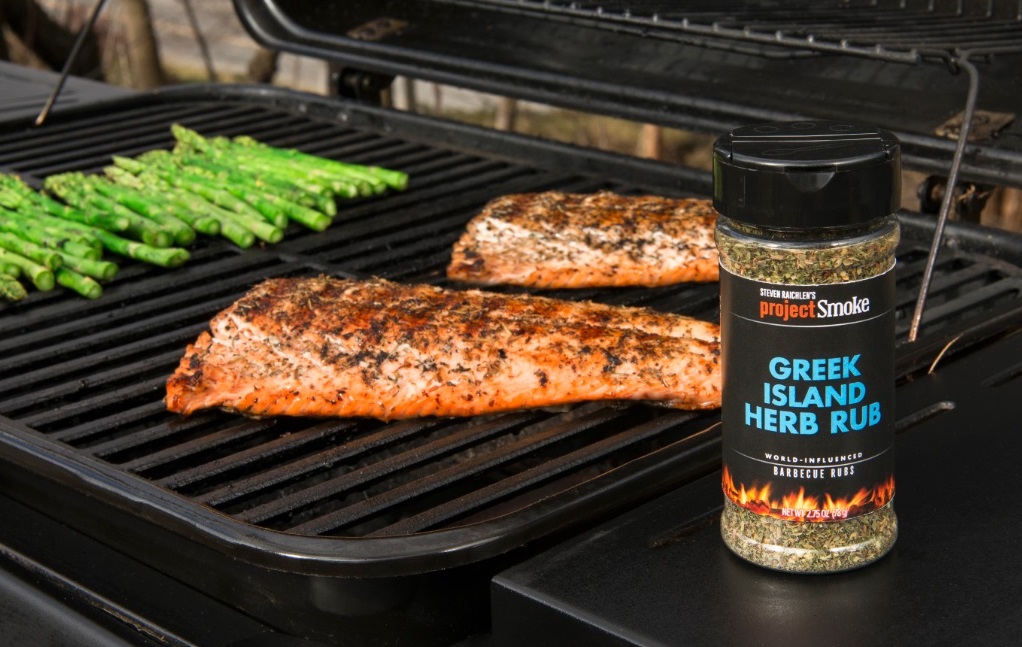
Many grillers prefer to pull it at an internal temperature of 125°F to 130°F for medium salmon. But if you prefer a more fully cooked one, aim closer to 135°F to 140°F. The USDA recommends 145°F for fish, but salmon cooked to that temperature can be firmer and drier than some people would like. Plus, carryover heat will also continue to cook it after it comes of the grill.
Using timing to plan, the internal temp is the final call on when it is finished. The flesh should turn translucent to mostly opaque and flake with gentle pressure.
How to Grill Salmon Step by Step
- Preheat the grill. Set the grill for medium-high heat, about 375°F to 425°F. Make sure the grates are hot before the salmon goes on.
- Clean and oil the grates. Salmon sticks easily, especially if the grill is dirty or dry. Brush the grates clean, then oil them with a folded paper towel held with tongs.
- Pat the salmon dry. Moisture on the surface makes sticking more likely and keeps the fish from cooking cleanly. Pat the salmon dry with paper towels before seasoning.
- Season simply. Brush the salmon lightly with oil, then season with salt, pepper, and any rub or spices you like. (We recommend Steven’s Mediterranean Herb Rub) If you are using a sugary glaze, save most of it for the end so it does not burn.
- Start skin-side down. Place the salmon on the grill skin-side down first. The skin helps protect the flesh, keeps the fillet together, and gives you a little more flexibility.
- Do not move it too soon. Let the salmon cook until it releases easily from the grill. If it fights you, give it more time. Forcing it is how fillets tear.
- Flip only if needed. Smaller portions can be flipped once to finish. Larger fillets, especially skin-on pieces, can often cook mostly or entirely skin-side down with the lid closed.
- Cook to doneness, not just time. The salmon is ready when it turns mostly opaque, flakes with gentle pressure, and is still moist in the center. Use an instant-read thermometer if you want more precision.
- Rest briefly before serving. Give the salmon a couple of minutes off the heat before serving. It will continue to cook slightly, and the texture will settle.
What About Grilling Salmon on a Plank?
Most of the recipes for salmon on BarbecueBible.com use a plank and is what we prefer. A soaked cedar plank gives salmon a little insurance on the grill by creating a barrier between the fish and the fire. That helps prevent sticking, makes the salmon easier to handle, and adds a gentle woodsy flavor as the plank heats and smolders.

Plank-grilled salmon usually cooks more gently than salmon placed directly on the grates. You may not get the same crisp edges or grill marks, but you do get moist, evenly cooked fish that is much harder to tear apart. That makes plank grilling especially useful for larger fillets or for anyone nervous about flipping fish.
Here is how to cook salmon on a plank: Soak the plank first, pre-heat the grill, and place the salmon skin-side down on the plank. Grill with the lid closed until the salmon reaches the doneness you prefer. Don’t worry if the plank starts to char. That’s normal. If it catches fire, then just move it to a cooler part of the grill or mist the flame with water.
Grilled Salmon Tips and Common Mistakes
- Starting with dirty or dry grates: Salmon sticks easily. Clean the grates well and oil them before the fish goes on.
- Moving the fish too soon: If the salmon resists when you try to lift it, give it another minute. Forcing it is how fillets tear.
- Cooking over too much heat: Medium-high heat is best. Blazing heat can dry out the outside before the center is done.
- Waiting until it looks fully cooked on the grill: Salmon keeps cooking after it comes off the heat. Pull it while the center still looks moist.
- Adding a sugary glaze too early: Maple syrup, honey, brown sugar, and barbecue sauces can burn. Brush them on near the end.
- Treating every piece the same: Thin tail pieces cook faster than thick center-cut fillets. Watch the fish, not just the timer.
Recipes
Grilling salmon well comes down to control: start with a good piece of fish, use steady medium-high heat, and pay attention to the internal temperature. Skin-on fillets and cedar planks both give you a little extra insurance, especially if you are nervous about sticking or overcooking. Once you get the timing and temperature down, grilled salmon becomes one of the fastest, most satisfying meals you can pull off outdoors.
Grilled Salmon: Frequently Asked Questions
How long does it take to grill salmon?
Most salmon fillets take about 8 to 12 minutes total on the grill, depending on thickness. Thin pieces may cook faster, while thick center-cut fillets may need a few minutes more. Use time as a guide but check for doneness before pulling the fish from the grill.
What temperature should you grill salmon at?
Medium-high heat, about 375°F to 425°F, works well for most salmon fillets. Around 400°F is a good target because it is hot enough to cook the salmon cleanly without blasting the outside before the center is done.
Should you grill salmon skin-side down?
Yes, skin-side down is usually the easiest way to grill salmon. The skin helps protect the flesh from direct heat, holds the fillet together, and reduces the chance of sticking. Larger skin-on fillets can often cook mostly or entirely skin-side down with the lid closed.
How do you know when grilled salmon is done?
Grilled salmon is done when the flesh turns mostly opaque and flakes with gentle pressure while still looking moist in the center. For moist salmon, many grillers pull it around 125°F to 130°F for medium. For a more fully cooked fillet, aim closer to 135°F to 140°F.
More Salmon Blogs
Want to go deeper on the craft? Explore our grilling techniques and how-to guides for ribs, steak, chicken, seafood, and more.
For weekly tips and recipes, join the Up in Smoke Newsletter. Sign up and get a FREE PDF of Steven Raichlen’s Best Ribs Recipes Ebook
Preorder Man On Fire – A Steven Raichlen Memoir (And Get Some Really Cool Rewards)!!