



Back to Barbecue Basics
Think of baby backs as the quicker-cooking rib: tender, manageable, and less forgiving than a larger rack of spareribs.
Best Ways to Cook Baby Back Ribs
The best way to cook baby back ribs depends on what you want from them. If you want maximum smoke flavor, low-and-slow smoking is hard to beat. If you want a more practical backyard setup, indirect grilling on a gas or charcoal grill works beautifully. If you like a softer bite, a short wrap can help. If you want better bark and a firmer texture, go lighter on the wrap or skip it.
The method matters, but the goal is always the same: steady heat, controlled tenderness, and ribs that still have enough structure to bite cleanly.
Low-and-Slow Smoking
Low-and-slow smoking is the classic baby back rib method. It gives you deep smoke flavor, traditional barbecue texture, and a cook you can tend over an afternoon.
The key is steady, gentle heat. Keep the smoker temperature as consistent as you can, and don’t keep lifting the lid every 10 minutes to “check.” I know the temptation. Everybody wants to peek. But every time you open the smoker, you lose heat and stretch the cook.
Baby backs are smaller and leaner than spare ribs, so they often do better with a shorter schedule than a full 3-2-1 method. That method was built around larger, meatier racks, and it can be too much for baby backs. I’ve seen beautiful racks go from tender to too soft because they spent too much time wrapped.
For many baby backs, the better approach is to cook until the ribs are tender and the meat has pulled back slightly from the bones, then finish based on the texture you want—not just the clock.
Indirect Grilling
Indirect grilling is one of the most useful ways to cook baby back ribs at home. You don’t need a dedicated smoker, and you don’t need to make rib night an all-day project. A gas grill or charcoal grill set up for indirect heat can turn out excellent ribs with a shorter setup and plenty of backyard flavor.
The setup matters. Keep the ribs away from direct flame so they cook gently instead of scorching. On a charcoal grill, bank the coals to one side and place the ribs on the cooler side. On a gas grill, light one or two burners and cook the ribs over the unlit section.
Add wood chunks or chips and you’ll get real barbecue character even without a smoker. Will it taste exactly like ribs from a dedicated offset smoker? No. But can it make terrific baby backs on a summer afternoon with the grill you already own? Absolutely.
Wrapped vs. Unwrapped Cooking
Wrapping baby back ribs is a texture decision. Foil traps steam, speeds tenderness, and helps the meat soften faster. That can be useful if the ribs are cooking slowly or if you like a softer bite.
But wrapping is also where a lot of baby back ribs go wrong. Too much time in foil can soften the bark, wash out the surface texture, and push the meat past tender. With spare ribs, you often have more room to work. With baby backs, the window is tighter.

Use wrapping as a tool, not a rule. If the ribs need help getting tender, wrap them briefly. If they already have good color and are cooking well, leave them unwrapped and let the surface develop.
Hotter Finish with Sauce
A hotter finish is how you set the sauce and tighten the outside of the ribs. Once the ribs are nearly tender, brush on the sauce and move them closer to the heat for a short finish. The goal is a glossy, tacky glaze that clings to the meat.
This is another place where timing matters. Sauce too early and the sugars can darken or burn before the ribs are ready. Sauce too late and it just sits wet on the surface.

For the best result, sauce near the end of the cook, give the glaze a few minutes to tighten, and pull the ribs before the exterior gets too dark. That final blast of heat is a finishing move, not a second cook.
A Simple Timing Guide for Baby Back Ribs
Baby back ribs do not cook on one perfect schedule. Rack size, grill temperature, meat thickness, and how often you open the lid all affect timing.
The reality is that grill temperatures fluctuate, especially with charcoal. A cooker that starts at 250°F may drift higher or lower as the fire burns, the vents change, or new fuel is added. That’s normal. Build some flexibility into your timing, especially if you’re cooking for guests. The ribs may be ready a little earlier or later than planned, and that’s part of cooking over live fire.
Use timing as a guide, not a promise.
For low-and-slow smoked baby back ribs, plan on roughly 4 to 5 hours total at a steady barbecue temperature. Some racks will finish sooner; thicker racks may need more time. If you wrap them, keep the wrapped stage shorter than you would for spare ribs and start checking early.
For indirect grilling, expect several hours over gentle heat. The exact timing depends on whether you’re cooking on gas or charcoal, how steady the grill runs, and how meaty the rack is. Keep the ribs away from direct flame and give them time to tenderize without scorching.
Sauce should go on near the end of the cook. Brush it on too early and the sugars can burn before the ribs are ready. Add it during the final stretch so the sauce has time to set, tighten, and cling to the ribs.
How to Tell When Baby Back Ribs Are Done
Baby back ribs are done when they look and feel tender, not when they hit one magic number on a thermometer. Internal temperature can be a useful reference point, but ribs are thin, bony, and uneven, so it’s easy to get a misleading reading. Feel matters more.
Look for pullback at the bones. As the ribs cook, the meat will shrink slightly and expose the ends of the bones. That’s a good sign they’re getting close, though pullback alone does not mean they’re done.
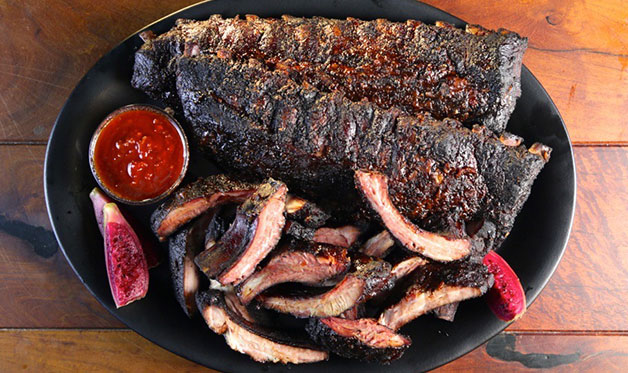
Use the bend test next. Pick up the rack near the center with tongs and let the ends bend downward. Properly cooked baby backs should bend easily and show small cracks on the surface. If the rack stays stiff, it needs more time. If it starts to fall apart, it has gone too far.
Finally, check between the bones. Slide a toothpick, skewer, or the probe of an instant-read thermometer between the bones. It should go in with little resistance, almost like sliding into softened butter.
The ribs should be tender and clean-biting, but not mushy. Great baby backs still have enough structure to slice, serve, and pick up without falling apart.
Common Mistakes with Baby Back Ribs
Baby back ribs are not hard to cook, but they are easy to push too far. Most mistakes come from treating them like spare ribs, following a schedule too rigidly, or rushing the finish.
Using the Full 3-2-1 Schedule Without Adjusting
The 3-2-1 method is often too long for baby back ribs. They’re smaller and leaner than spare ribs, so they usually need a shorter cook and less time wrapped. If you use 3-2-1 as a starting point, adjust it for the rack in front of you.
Wrapping Too Long
Wrapping speeds tenderness, but it also traps steam. Leave baby backs wrapped too long and the bark softens, the texture loosens, and the meat can turn mushy. Tender is good. Mushy is not.
Saucing Too Early
Barbecue sauce belongs near the end of the cook. Sauce too early and the sugars can darken or burn before the ribs are ready. Let the ribs cook first, then use the sauce as a finish.
Pulling Them Only by Time
The clock helps you plan, but it should not make the final decision. Two racks cooked on the same grill can finish at different times. Size, thickness, temperature swings, and airflow all matter.
Mistaking Fall-Off-the-Bone for Ideal Doneness
Fall-off-the-bone ribs sound great, but they’re usually overcooked. Great baby backs should be tender and clean-biting, but still hold together when sliced and served. If the rack collapses when you pick it up, it went too far.
Baby Back Rib Recipes to Try
Use these recipes as starting points for different flavors and cooking setups. The exact timing will vary by rack size and grill temperature, so follow the method, then use the doneness cues above to finish the ribs properly.
Kansas City Baby Back Ribs
A faster, grill-friendly take on baby backs, cooked over indirect heat with hardwood smoke, Kansas City-style rub, and a sweet, tangy barbecue sauce finish. The ribs cook at a slightly higher temperature than low-and-slow smoking, then get a quick sear over the fire to set the sauce and add color.

Get The Recipe »
Spice-Rubbed Baby Back Ribs with Chipotle Bourbon Barbecue Sauce
A bolder baby back rib recipe built on a mustard slather, chili-brown sugar rub, and a smoky-sweet chipotle bourbon barbecue sauce. The ribs are cooked using a smoking/indirect method at 300°F, then sauced near the end so the glaze sets without burning. Good choice when you want baby backs with more heat, deeper sauce flavor, and a Project Fire-style finish.

Get The Recipe »
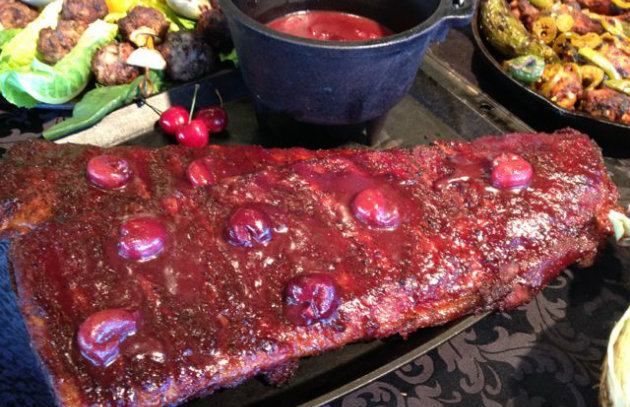
Cherry-Glazed Baby Back Ribs with Cherry Barbecue Sauce
A fruit-forward smoked rib recipe built around a spiced brown sugar rub, oak smoke, and a cherry syrup glaze that turns sticky during the final hour. Serve it with cherry barbecue sauce for a sweet-tart finish that gives baby backs a deeper color and a slightly more polished, special-occasion feel.
Get The Recipe »
Keep Cooking Better Ribs
Baby back ribs reward patience, steady heat, and a little restraint. Choose the method that fits your grill, keep the heat gentle, and pull the ribs while they’re still tender and clean-biting.
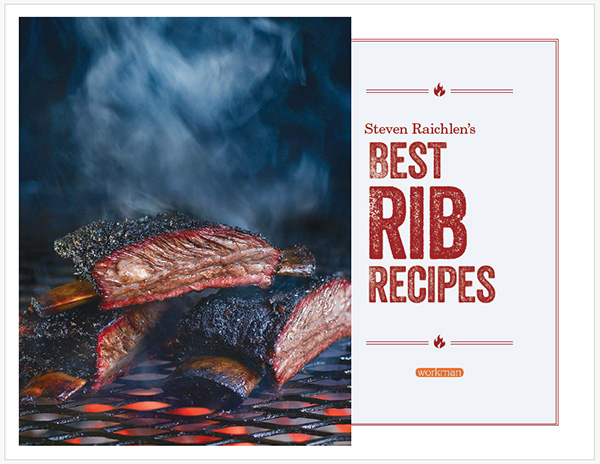
Want more rib recipes from Steven Raichlen? Join the Up in Smoke newsletter and get a free PDF copy of Steven Raichlen’s Best Rib Recipes—packed with recipes, techniques, and ideas for your next rack.
Baby Back Ribs: Frequently Asked Questions
How long do baby back ribs take to cook?
Baby back ribs often take about 4 to 5 hours when smoked low and slow, but timing depends on rack size, cooking temperature, and how steady your grill or smoker runs. Use the clock as a guide, not a guarantee.
What temperature should I cook baby back ribs at?
Baby back ribs do best over steady, gentle heat. For smoking or indirect grilling, a range of about 225°F to 275°F works well. Lower heat gives you a longer cook and more smoke flavor; slightly higher heat can shorten the cook.
Should baby back ribs be wrapped?
You can wrap baby back ribs, but they usually need less time wrapped than spare ribs. Wrapping speeds tenderness, but too much time in foil can soften the bark and make the ribs too soft.
Are baby back ribs done when they fall off the bone?
Not usually. Fall-off-the-bone ribs are often overcooked. Great baby back ribs should be tender enough to bite cleanly, but still hold together when sliced, served, and picked up.
When should I sauce baby back ribs?
Sauce baby back ribs near the end of the cook. Most barbecue sauces contain sugar, which can burn if applied too early. Brush on the sauce during the final stretch so it has time to set and tighten into a tacky glaze.
Build your live-fire skills with our Back-to-Basics library—setups, temps, tools, and pro moves that make a difference.
Get new lessons and recipes in the Up in Smoke Newsletter. Sign up and get a FREE PDF of Steven Raichlen’s Best Ribs Recipes Ebook