


Post holidays, you may have trouble sleeping or perhaps you’re hitting a workout plateau. If it seems like you just can’t concentrate on your weights after you’ve laced up your gym shoes, there may be more involved than just a case of the winter blues. Hormones can profoundly impact your ability to shred muscle, burn fat, stay energized and maintain focus.
Kassandra Kaleda, a nutritionist and health coach with a bachelor’s degree in food science and nutrition, agrees, “When balanced, hormones help you feel your best – but when out of sync, they can lead to fatigue, mood swings and even weight gain.”
But what can you do to keep your hormones healthy and balanced? And how do you know when they’re out of whack? Keep reading to discover the magic behind your own hormones, and how to make them work for you and not against you.

Does Exercise Balance Hormones? Here’s a Breakdown
First of all, it is important to understand the key hormones involved in physical activity such as cortisol, insulin, human growth hormone, plus the sex hormones and how they influence energy, mood, metabolism and recovery.
Cortisol is a hormone you’ve probably heard about in relation to the stress response as it can boost energy, reduce inflammation, regulate blood pressure, lower blood sugar and potentially change sleep-wake cycles. “Cortisol helps your body manage energy during exercise and stressful situations by breaking down carbohydrates, fats and proteins to fuel your muscles,” Ms. Kelada said.
How about when you exercise? Moderate exercise such as speed walking or a relaxed bike ride around your neighborhood can help cortisol levels drop, promoting relaxation. “High-intensity workouts, such as HIIT, cause a temporary spike in cortisol, which is normal and helps the body adapt to stress,” Kelada said. “However, excessive intense training without rest can lead to chronically high cortisol, contributing to fatigue and poor recovery.”
Insulin is another well-known hormone that plays a significant role in preventing type II diabetes as it transports glucose from the bloodstream to your body’s cells, where it’s used for energy or stored as fat for later, thus lowering blood sugar levels after you eat. “Maintaining insulin sensitivity is crucial for preventing diabetes and maintaining energy levels,” Kelada said.
How about when you exercise? Studies show that exercise – both aerobic (like swimming or cycling) or resistance training (like lifting weights) increases insulin sensitivity and allow muscles to take up glucose even without insulin during the activity, enhancing fat burning and improving overall glucose regulation, making cells more responsive to insulin and clearing sugar from the blood more effectively. “Even short HIIT workouts can enhance insulin sensitivity, making them effective for those with limited time,” Kelada said.
Endorphins are neurotransmitters or chemicals produced by your brain that function as nature’s morphine because they reduce sensations of pain or discomfort while elevating mood and energy, lowering stress levels and boosting feelings of well-being.
How about when you exercise? Produced primarily by the pituitary gland and hypothalamus, recent research has revealed that endorphins are released during exercise as a natural response to the physical stress and mild pain incurred during the strenuous movements, creating feelings of euphoria or the famous “runner’s high.” Looking for an endorphin rush but don’t know where to start? “Include workouts you enjoy,” Kelada said. “Pleasurable exercise is more likely to become a habit, supporting long-term hormonal health.”
Human Growth Hormone (GH) may not be familiar to you, but it is a vital protein produced by the pituitary gland that stimulates growth, cellular reproduction and regeneration. It’s crucial for childhood development as well as playing a huge role in adult metabolism, tissue maintenance and bone health. “It also plays a key role in maintaining lean body mass and reducing fat stores,” Kelada said.
How about when you exercise? High-intensity interval training (HIIT), heavy resistance training and explosive power training are strong stimulators of GH, with greater intensity and longer duration generally leading to a bigger GH release. Consistent exercise increases the body’s resting GH levels, making your body more efficient at using it for growth and repair over time. “Focus on strength training two to three times per week and prioritize sleep to maximize growth hormone release,” Kelada said.
Testosterone and estrogen are sex hormones with testosterone governing muscle mass, sex drive, mood, energy and red blood cell production. Whereas estrogen effects the menstrual cycle, fertility and pregnancy, but it also profoundly impacts skin, bone and heart health, as well as brain function and cholesterol levels for both sexes.
How about when you exercise? Exercise, especially resistance training and HIIT, temporarily boost testosterone levels, signaling muscle repair and growth. However, consistent moderate exercise is key for long-term benefits, while overtraining without adequate recovery can actually lower testosterone. Similarly to testosterone, regular exercise helps regulate and improve estrogen metabolism, but excessive exercise, especially without proper nutrition, can paradoxically suppress it. “Incorporate strength training and allow for recovery to maintain healthy testosterone and estrogen levels,” Kelada said.
Signs Your Hormones Aren’t Balanced
Imbalanced hormone levels from too much exercise may be hard to detect but their side effects are a lot easier to identify. Such as? “Fatigue, insomnia, irritability, reduced performance, persistent tiredness, anxiety and weakened immunity [are] often due to cortisol dysregulation,” Kelada said, “Irregular or missed periods [are also] a common sign of hormonal imbalance from overtraining or undereating.”
If these symptoms appear, you could be overdoing it. As contradictory as it may sound, rest days ensure your active days are more effective. Maybe it’s time to look back at your calendar and see when your last day off was. “Adjust [your] exercise intensity, ensure adequate calorie intake and include healthy fats to support hormonal health,” Kelada said. “Focus on low-intensity exercise, adequate sleep and stress management techniques. Sleep seven to nine hours per night to support growth hormone release. And use active recovery methods such as light yoga, stretching or foam rolling to reduce muscle soreness and maintain mobility.”
Also consider your eating habits. Nutrition can make a dramatic difference in how well you perform when you work out as well as keeping your body balanced. “Magnesium supports stress management and is found in leafy greens, nuts and seeds. Omega-3s reduce inflammation and are found in fatty fish and chia seeds,” Kelada said. “B vitamins aid energy production and are found in eggs, whole grains and legumes.”
Exercises That Balance Hormones
- Cardio such as swimming, running, cycling, skiing or kick boxing. “It boosts insulin sensitivity, aiding blood sugar control,” Kelada said. “Reduces cortisol levels when performed at moderate intensity [and] releases endorphins, improving mood.”
- Strength training, including weightlifting, push-ups, squats and resistance band training. Kelada clarifies that they “increase testosterone and growth hormone, supporting muscle repair and fat loss [while] enhancing insulin sensitivity and reducing diabetes risk.”
- High Intensity Interval Training (HIIT) involving plyometric moves, sprint intervals while running or cycling, circuit training and Tabata routines. They all create “short-term cortisol spikes” Kelada explains, “Which helps burn fat and increases resilience, triggers GH release, accelerating fat loss and muscle repair [and] improves insulin sensitivity effectively, even with shorter sessions.”
- Low-intensity exercises like Pilates, tai chi, yoga, dancing, walking or water aerobics. According to Kelada, these movements reduce cortisol, helping to manage chronic stress, activate the parasympathetic nervous system, promote relaxation and recovery and release endorphins, supporting mental clarity and mood.
Balance is Key
In the case of exercise, it is easy to see how the old adage “the dose makes the poison” is true. The same movements that help to raise specific hormones (like testosterone and estrogen) can actually suppress them if done too often. While elevated cortisol levels can be anti-inflammatory in short spurts, this hormone can quickly turn harmful if pushed too high for too long. “Exercise is one of the most powerful tools for maintaining hormonal health and fitness, but balance is key,” Kelada said. “By understanding how different types of exercise affect hormones like cortisol, insulin and growth hormone, you can design a routine that supports both your body and mind.”
Relish those rest days because they not only allow you to sleep in, relax, catch up on your favorite television episodes, and give your muscles time to rest and recover, they also help your hormones stay in balance, which can allow you to push harder and with more focus once you head back to the gym. So kick your feet up without guilt or remorse – your hormones will be thanking you!
Featured Products

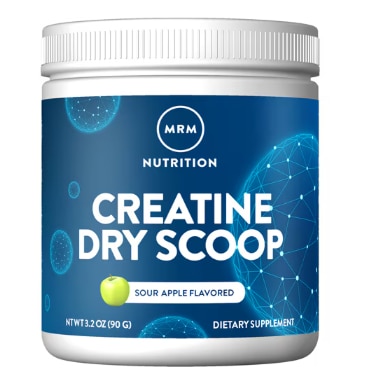
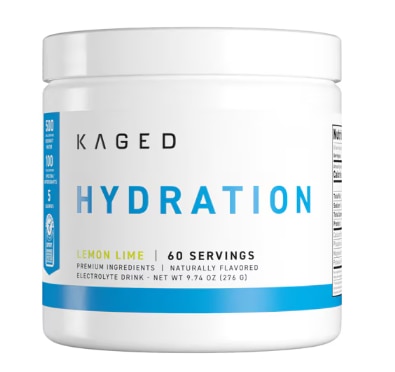
The post The Hormone–Exercise Connection: What Science Says About Rest Days, HIIT & More first appeared on The Upside by Vitacost.com.