


What’s the deal with dairy? More than one diet plan excludes it, and many people can’t digest it. But some research shows that compounds in cow’s milk and dairy products may have functional benefits — including for gut health.
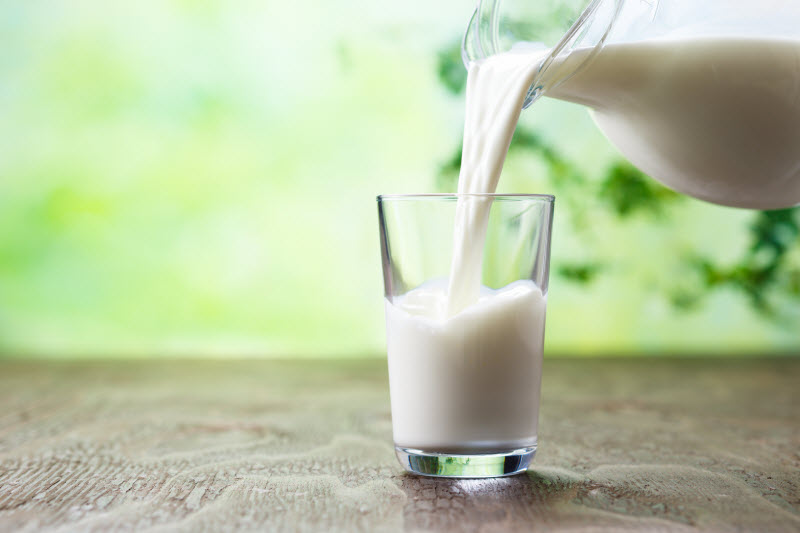
Dairy compounds may promote gut health
Several dairy compounds have been studied for their effects on the gut microbiome and overall health. These compounds are bioactive, meaning they interact with tissues in your body to produce a response or effect.
A 2025 review of the research, published in Nutrients, explored some of these interactions and found that, in some cases, dairy may be good for gut health.
Oligosaccharides
Oligosaccharides are short chains of carbohydrates made up of sugars called galactose and glucose. These may be prebiotic, meaning they feed beneficial bacteria your gut, such as Bifidobacterium longum, a microbe associated with a strong gut barrier and balanced immune responses, and Parabacteroides distasonis, a species that may protect against inflammation.
Oligosaccharides may also block pathogenic bacteria from sticking to the gut lining. Keeping pathogens away can stop bacteria from passing out of the gut and triggering inflammation.
Whey proteins
During digestion, your body breaks down proteins from whey into shorter amino acid chains called peptides. Each peptide may affect your gut and your body differently, such as:
- Immunoglobulins protect against pathogens and support mucosal immune responses
- α-lactalbumin promotes balanced immune responses
- β-lactoglobulins act as antioxidants to control inflammation
- Lactoferrin promotes healthy mucosal immunity and shows antimicrobial effects
- Casein phosphopeptides show potential antioxidant effects
Dairy fats
Lipids are fats found in milk and other foods. The term refers to a wide range of fatty acids like the palmitic, myristic, stearic, butyric, caproic, caprylic and capric acids in dairy products.
Together, these fats appear to be beneficial for the lining of your gut. They may help keep the barrier strong and tight. A strong barrier can keep inflammatory compounds or pathogenic bacteria passing from your gut to your bloodstream and setting off an immune response. In fact, fatty acids in milk are associated with immune homeostasis, a state of balance between the amount and types of immune cells in your body.
Lactose
Lactose is often associated with lactose intolerance and its accompanying symptoms like bloating, gas, and diarrhea. But if you can digest this sugar, it may be good for your gut health.
Like oligosaccharides, lactose can act like a prebiotic and potentially change the population of your gut microbiota. One small study that tested the effects of lactose on stool from 18 donors found:
- Higher levels of lactic acid bacteria, which produce short-chain fatty acids (SCFAs) that may have widespread health benefits
- More Bifidobacterium, a type of microbe that may support a healthy gut barrier
- Reduced alpha diversity, the number of different microbes in the gut and the balance between them
- Increased numbers of bacteria that produce the β-galactosidase enzyme to break down lactose
- A potential increase in the SCFA lactate, which may affect microbial stability in the gut if levels get too high
Other bioactive dairy compounds
Some compounds are present in smaller amounts but may still support gut health, such as:
- Milk fat globule membrane (MFGM), a combination of lipids and proteins
- Milk-derived exosomes, special cell structures made of proteins, lipids and enzymes
- Milk-derived microRNAs, fragments of RNA that influence how genes work
Studies on these compounds suggest that they may support healthy gut barrier function, promote immunity in the gut and regulate immune responses throughout your body.
Fermented dairy could support a healthy gut microbiome
Fermented dairy products like kefir, yogurt, and cheese contain probiotics like lactic acid bacteria with potential benefits for gut health. Short-term intervention studies, where people add fermented dairy to their diets for a specific period of time, suggest that these products may:
- Support gut barrier strength and health
- Increase beneficial bacteria like Bifidobacteria and Lactobacillus
- Reduce pathogens like coli
- Enhance microbial diversity, the number and level of different microbes in the gut
- Reduce pro-inflammatory immune compounds in the gut lining
However, in some interventions for gut problems like diarrhea, introducing fermented dairy made symptoms worse. Other studies showed no overall effects on gut health.
Raw dairy may be contaminated, not beneficial
Raw dairy isn’t exposed to heat through processing like pasteurization, so it retains a natural microbiota that includes potentially beneficial bacteria like Lactobacillus. According to a 2022 analysis in the journal Applied Microbiology, the presence of these bacteria have the potential to support healthy gut function by increasing SCFA production and influencing the variety of microbial species in the gut.
But some scientists point to the bacterial content of raw milk as a risk, not a benefit. Researchers at Sanskriti University in India concluded that the probiotics in raw dairy may come from bacteria in the digestive tracts of cows. The paper’s authors also cited udder infections as the source of compounds like lactoferrin, suggesting that compounds sometimes cited as beneficial may actually be a sign of contamination.
Potential risks of dairy for gut health
In some cases, dairy may have negative effects on the gut. Some studies show a reduction in beneficial bacteria and SCFAs, and other associate both raw and homogenized milk with a significant increase in pro-inflammatory compounds. Dairy products, particularly milk and cheese, may also trigger symptoms of inflammatory bowel diseases like Chron’s.
Is dairy good or bad for gut health?
Because gut health is complex, so are the potential effects of dairy. Mixed research results suggest that factors like the microbes already in your gut and the types of bacteria in different dairy products can influence whether or not you benefit from them.
Of course, if you’re lactose intolerant or have a digestive condition that gets worse when you have dairy, you’re better off avoiding all types of dairy products. Many alternatives are available so you can still enjoy favorite dishes that include milk, yogurt or cheese.
†These statements have not been approved by the Food and Drug Administration. These products are not intended to diagnose, treat, cure or prevent disease.
Featured Products
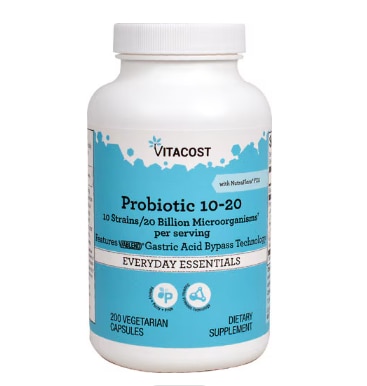
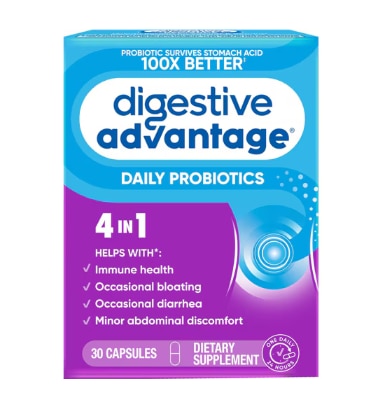
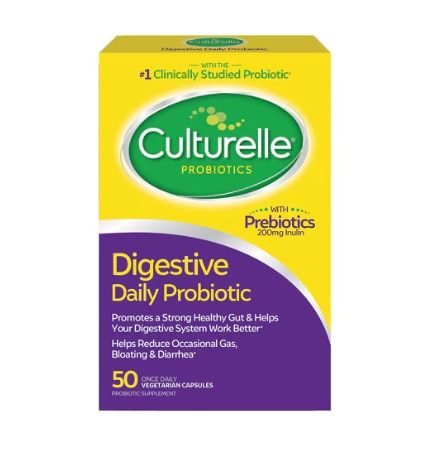
The post Is Dairy Good for the Gut? Research Shows Mixed Results first appeared on The Upside by Vitacost.com.