This post may contain affiliate links. Please read our disclosure policy.
The health benefits of sage have been recognized for thousands of years, but modern science is now backing up many of these traditional uses. This Mediterranean herb contains genuinely powerful compounds that research suggests might help with brain health, inflammation, blood sugar, and more. Let me share what I learned.
So here’s something interesting – sage has been used as medicine for over 2,000 years. The ancient Romans literally called it “salvia,” which means “to save” or “to heal.” They thought it could cure everything from memory problems to indigestion.
Obviously, they were exaggerating. But as someone who’s been cooking with this herb for 18+ years, I got curious – is there any actual science behind all these health claims? So I spent way too much time reading research papers, and honestly? I found some pretty cool stuff.
Looking for cooking info? I’ve got a complete guide on how to select, store, and cook with sage: What is Sage?
Nutritional Profile: Foundation of Health Benefits
Before we talk about health benefits, let’s look at what’s actually in this herb that might make it beneficial. Just one tablespoon of fresh leaves (about 2 grams) has:
- Vitamin K – 27% of your daily value (important for blood clotting)
- Vitamin A – small amounts for eye health
- Iron, calcium, and manganese – trace amounts
- Powerful antioxidant compounds like rosmarinic acid and carnosic acid
- Essential oils with antimicrobial properties
Now, that’s just a tablespoon of fresh leaves. You’d need to eat a lot more to get major nutritional benefits. But those antioxidant compounds? Even small amounts seem to pack a punch.
Loaded with Antioxidants
Okay, so everyone talks about antioxidants these days, but here’s the deal – antioxidants help protect your cells from damage caused by free radicals. Free radicals are basically unstable molecules that can cause oxidative stress, which is linked to aging and various diseases.
This herb has over 160 different polyphenols – that’s a type of antioxidant. The main ones researchers are interested in are rosmarinic acid, caffeic acid, and flavonoids like luteolin and apigenin.
Studies have shown it has one of the highest antioxidant capacities of any herb. In one study comparing the antioxidant activity of different herbs, sage came out near the top, alongside rosemary and thyme.
What does this mean practically? Well, these antioxidants are one of the key health benefits of sage. They might help reduce your risk of chronic diseases. But, and this is important, eating it isn’t a magic bullet. It’s just one part of an overall healthy diet.
Brain Health and Memory
This is probably the most interesting thing I found. Multiple studies suggest it might help with memory and cognitive function.
In one study, healthy young adults who took extract oil performed better on memory tests compared to people who took a placebo. Another study on older adults showed improved memory and attention after taking the extract for four months.

There’s also research looking at it for Alzheimer’s disease. A few small studies found that the extract might help with symptoms in people with mild to moderate Alzheimer’s. The theory is that it contains compounds that may protect acetylcholine – a brain chemical that’s important for memory and learning.
Now, before you get too excited – these studies mostly used concentrated extracts, not just cooking with the herb. You’d have to consume way more than you’d normally eat to get these effects. But it’s still pretty cool that science is backing up what ancient healers believed about this plant and memory.
Fighting Inflammation
Chronic inflammation is linked to pretty much every major disease – heart disease, diabetes, cancer, arthritis, you name it. Sage contains several compounds that research suggests have anti-inflammatory properties.
Lab studies have shown that extracts can reduce inflammatory markers. Animal studies have found similar results. There’s less research on humans, but the existing studies are promising.
The main anti-inflammatory compounds are rosmarinic acid and carnosic acid. These seem to work by blocking certain inflammatory pathways in your body.
Again – eating it in your food isn’t going to cure inflammatory diseases. But as part of an overall anti-inflammatory diet? It might help.
Antimicrobial Properties
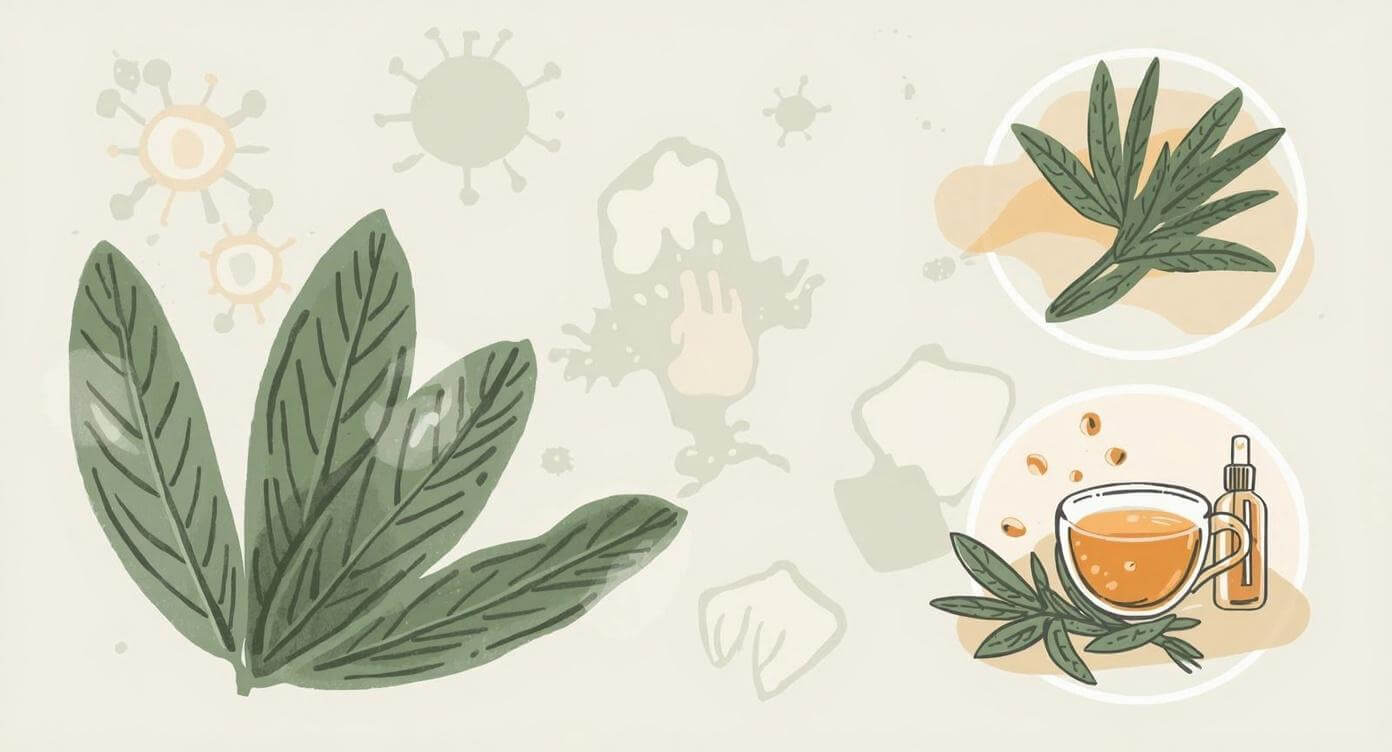
This herb has been used to preserve food for centuries, and there’s actually science to back that up. The essential oils have antimicrobial properties – meaning they can help kill or slow the growth of bacteria, viruses, and fungi.
Studies have shown that the oil is effective against various harmful bacteria, including E. coli, Salmonella, and Staphylococcus. It also has antifungal properties against Candida albicans (the yeast that causes yeast infections).
It has traditionally been used for sore throats, and some research suggests this might actually work. Sprays have been studied for treating throat inflammation and pain, with some studies showing they were as effective as over-the-counter throat sprays.
This doesn’t mean you should replace antibiotics with herbs if you have a serious infection. But for minor issues like a scratchy throat? Tea might actually help.
Blood Sugar Regulation
Several studies have looked at the effects on blood sugar, and the results are interesting.
One study on people with type 2 diabetes found that extract helped lower fasting blood sugar levels. Another study showed that leaf extract helped reduce blood sugar and improve insulin sensitivity in people with diabetes.
Animal studies have shown similar results, with the herb helping to lower blood glucose and improve how the body uses insulin.
The mechanism isn’t completely understood, but researchers think it might work similarly to certain diabetes medications by affecting how your body produces and uses insulin.
Important note: If you have diabetes and take medication for it, don’t add large amounts to your diet without talking to your doctor first. It could potentially interact with diabetes medications and cause blood sugar to drop too low.
Cholesterol Effects
A few studies have looked at whether it might help with cholesterol levels.
One study had people with high cholesterol drink tea twice daily for four weeks. The results showed decreased LDL (“bad”) cholesterol and increased HDL (“good”) cholesterol. Total cholesterol also went down.
Another study found similar results with extract capsules.
That said, these were relatively small studies, and more research is needed. Tea isn’t going to replace cholesterol medication if you need it. But as part of a heart-healthy lifestyle? It might contribute to better cholesterol levels.
Menopause Symptoms
This is one area where traditional use meets modern research in pretty compelling ways.
Several studies have found that supplements can help reduce hot flashes and night sweats in menopausal women. One study showed that a daily supplement reduced the severity of hot flashes by 50% within four weeks, and by 64% within eight weeks.
Another study found it helped reduce both the frequency and severity of hot flashes.
The exact mechanism isn’t fully understood, but it might have to do with effects on certain receptors in the body that regulate temperature.
If you’re dealing with menopause symptoms, tea or supplements might be worth trying – but again, talk to your doctor first, especially if you’re on hormone therapy.
Oral Health Benefits
This herb has been used in mouthwashes and toothpastes for a long time, and there’s some science behind this.
Studies have shown that extracts have antibacterial properties against bacteria that cause dental plaque and cavities. Mouthwash has been found to be effective at reducing bacteria in the mouth.
Some research also suggests it might help with mouth sores and throat inflammation.
Making a simple tea and using it as a mouth rinse might help with oral health, though it shouldn’t replace regular brushing and flossing.
How to Use Sage for Health Benefits

The health benefits of sage have been recognized for thousands of years, but modern science is now backing up many of these traditional uses. Understanding herbs and their properties is part of the broader study of culinary arts, which encompasses not just cooking techniques but also the science behind ingredients.
Making Tea
Making tea is probably the easiest way to get the health benefits of sage. This is probably the easiest way to get the health benefits of sage. Use 1-2 teaspoons of fresh leaves (or 1 teaspoon dried) per cup of boiling water. Steep for 5-10 minutes, strain, and drink.
Some people add honey or lemon. Traditional use suggests drinking 1-2 cups per day, but don’t overdo it. More on that in the safety section.
You might also enjoy sage with butter in cooking, which brings out different beneficial compounds through fat-soluble extraction.
Cooking with It
Obviously, using it in your regular cooking is the tastiest way to get it in your diet. Brown butter pasta, herb-rubbed pork, roasted vegetables with crispy leaves are all delicious.
Try adding fresh sage to dishes like Roasted Pork Belly (Lechon Liempo) for an herbal twist on this Filipino classic. You might also enjoy experimenting with other herbs like in this Baked Garlic Rosemary Chicken Recipe, where sage can complement the rosemary beautifully. Using it in your regular cooking is the tastiest way to get it in your diet.
If you’re serious about expanding your culinary skills and working with herbs like sage professionally, you might want to explore ways to become a successful chef.
Supplements
Most of the research studies used concentrated extracts in capsule or tablet form. If you’re considering supplements, look for standardized extracts and talk to your doctor about appropriate dosing.
Essential Oil
Essential oil is super concentrated and should NOT be ingested unless you’re working with a qualified aromatherapist or healthcare provider. It can be used in diffusers or diluted in carrier oils for topical use, but be careful – some compounds in the oil can be neurotoxic in high amounts.
Safety and Side Effects
Okay, this is important. It’s generally safe in cooking amounts, but there are some things you need to know if you’re using it medicinally.
Thujone Content
Sage contains a compound called thujone, which can be toxic in high doses. This is especially concentrated in essential oil.
In normal cooking amounts, thujone isn’t a problem. But drinking excessive amounts of tea or taking high-dose supplements could potentially cause issues like seizures, vomiting, or dizziness.
Stick to reasonable amounts – 1-2 cups of tea per day is generally considered safe for most people.
Who Should Avoid It?
- Pregnant and nursing women: Small amounts in cooking are fine, but avoid medicinal amounts (like supplements or large amounts of tea). It can potentially affect milk production and might trigger contractions.
- People with seizure disorders: The thujone might trigger seizures in people with epilepsy.
- People with hormone-sensitive conditions: It might have estrogen-like effects, so if you have conditions like breast cancer, uterine cancer, or endometriosis, talk to your doctor before using medicinal amounts.
- People with diabetes: It might lower blood sugar, so if you’re on diabetes medication, it could potentially cause blood sugar to drop too low.
- Before surgery: Stop using medicinal amounts at least 2 weeks before scheduled surgery, as it might interfere with blood sugar control.
Drug Interactions
It might interact with:
- Diabetes medications (can lower blood sugar too much)
- Sedative medications (might have mild sedative effects)
- Medications broken down by the liver (might affect how these are processed)
If you’re on any medications, talk to your doctor or pharmacist before using medicinal amounts.
Common Questions
What are the main health benefits of sage?
Based on current research, the main health benefits of sage include improved memory and cognitive function, reduced inflammation, antimicrobial properties that fight bacteria and viruses, potential blood sugar regulation, cholesterol management, and relief from menopause symptoms like hot flashes. Most of these benefits have been studied using concentrated extracts rather than just cooking with the herb.
How much should I consume daily for health benefits?
- Cooking – use whatever tastes good – normal recipe amounts are totally safe.
- Medicinal use – traditional recommendations are usually 1-2 cups of tea per day, made with 1-2 teaspoons of leaves.
- Supplements – follow the product instructions and talk to your doctor. There’s no established “optimal” dose because it varies based on what you’re trying to achieve.
Can it help with weight loss?
There’s no solid evidence that it directly causes weight loss. Some people claim it helps with digestion or reduces water retention, but these effects aren’t well-studied.
If you’re trying to lose weight, focus on the basics – healthy diet, regular exercise, adequate sleep. This herb can be part of a healthy diet, but it’s not a weight loss miracle.
Is tea safe to drink every day?
For most people, 1-2 cups daily is safe. But I wouldn’t drink it in excessive amounts every day for months on end because of the thujone content.
If you’re pregnant, nursing, have a medical condition, or take medications, check with your doctor first.
Can it improve memory in healthy people?
Some studies suggest it might help with memory and concentration in healthy adults, but the research is limited. Most studies used concentrated extracts, not just drinking tea or cooking with it.
It might give you a slight boost, but don’t expect dramatic results. Good sleep, regular exercise, and staying mentally active are probably more important for brain health.
What’s the difference between common and white varieties?
Common sage is what you cook with and what most of the health research is about. White sage is used for smudging and ceremonial purposes by Native American communities.
They’re different plants. White sage isn’t typically used in cooking or as a medicinal herb. Also, white sage is overharvested in the wild, so if you’re buying it, make sure it’s from ethical sources or stick to common sage.
Can I grow my own for medicinal use?
Absolutely! It’s pretty easy to grow. It likes full sun and well-drained soil. Once established, it’s drought-tolerant and doesn’t need much maintenance.
Home-grown is great for both cooking and making tea. Just make sure to harvest it before the plant flowers for the best flavor.
Does cooking destroy the health benefits?
Some of the beneficial compounds are heat-stable, so cooking doesn’t destroy everything. But high heat for long periods might reduce some of the antioxidant content.
For maximum health benefits, tea (where you’re not cooking it for long) might preserve more of the beneficial compounds. But honestly, even cooked sage still has health-promoting properties.
So, after diving into all this research, here’s my takeaway: the health benefits of sage are genuinely impressive, even if it’s not a miracle cure. The studies on memory, inflammation, blood sugar, and menopause symptoms are pretty compelling.
That said, most of the dramatic results came from concentrated extracts, not from just cooking with it or drinking a cup of tea. Think of sage as one tool in your overall health toolkit – not the only tool.
My approach? I use it in my cooking because it tastes great and I know it has beneficial compounds. I occasionally drink the tea. But I’m not relying on it to cure anything or replace actual medical treatment.
If you want to try it for health benefits, start conservatively – maybe a cup of tea a few times a week, or add more to your cooking. Pay attention to how you feel. And if you have any health conditions or take medications, talk to your doctor before using medicinal amounts.
Medical Disclaimer: I’m a cook and food blogger, not a doctor. Everything in this article is for educational purposes based on scientific research and traditional uses. This isn’t medical advice, and it’s not meant to diagnose, treat, or cure anything. If you’re thinking about using this herb for health reasons, especially if you’re pregnant, nursing, on medications, or have any health conditions, please talk to your doctor first. Seriously.
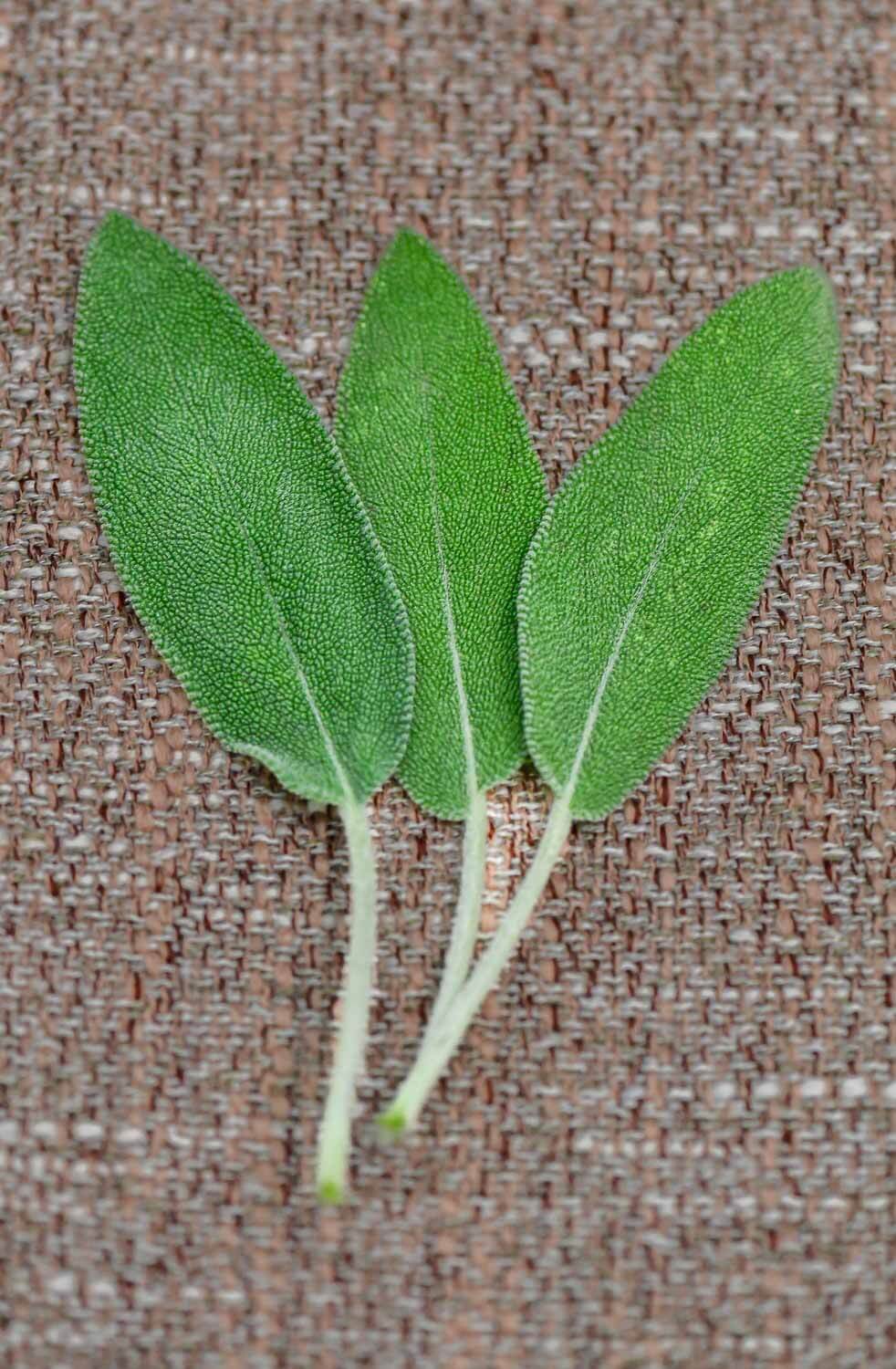
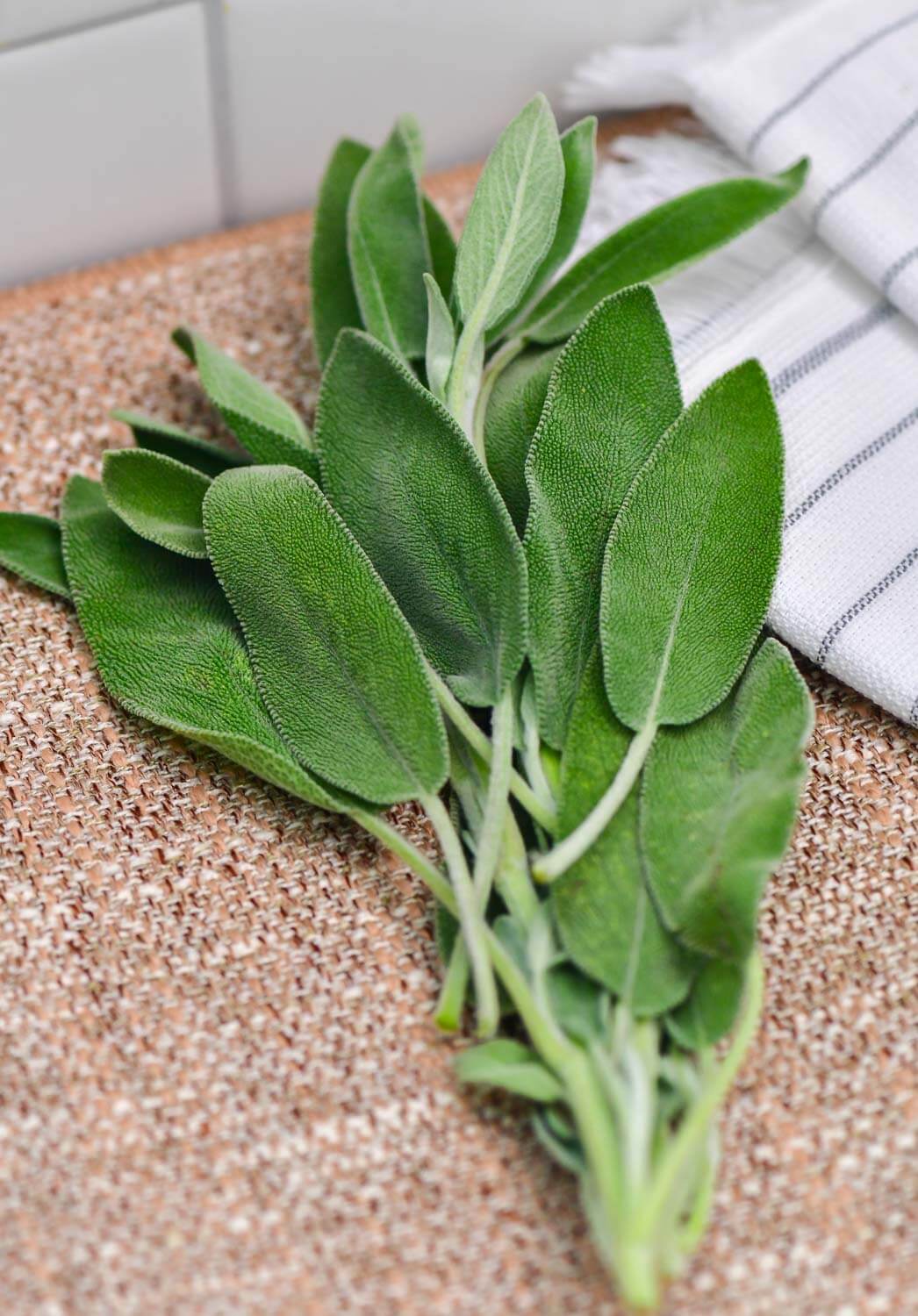
This is a close-up shot of sage leaves. Notice that soft, velvety texture? It almost feels fuzzy when you touch it!