


Forget Valentine’s Day: The winter holidays are when the real heart of people emerges. From charity toy drives and neighborhood caroling—to mistletoe under arches and meaningful presents—the benevolence of mankind is often at its richest from Thanksgiving to New Years. With the abundance of joy all around us, it’s impossible to not feel affection for our fellow humans.

And yet, the heart of people (of the literal kind) is also a leading concern during the holiday season. Indeed, emergency rooms and doctor’s offices are frequently deluged with people complaining about heart hiccups from October to January.
Why?
For many, the holidays are tantamount to indulgences, even excess, and with it arrives a host of cardiovascular issues—so much so, these complications have earned a moniker: Holiday heart syndrome.
New to the concept? You’re not alone, although you, too, may have experienced some of holiday heart syndrome’s most disturbing symptoms. This article will dive beneath the surface of the most wonderful time of the year to expose its hidden dangers—and how you can avoid holiday heart syndrome altogether.
What is holiday heart syndrome?
At first glance, holiday heart syndrome may sound trite, or even mythical; an imaginative turn of phrase to allude to the melancholia winter can evoke for many.
Holiday heart syndrome is, however, a veritable health impediment. Coined in the late 70s by a group of physicians who observed its symptoms in a cluster of 24 patients, it’s become synonymous with decadence, which, for some, is part and parcel for toasting the holidays.
In truth, though, holiday heart syndrome (HHS) is a stand-in for time-specific atrial fibrillation. Commonly known as AFib, atrial fibrillation is the medical term for an irregular, rapid heartbeat, which can ultimately lead to a handful of dire health issues.
Originally, holiday heart syndrome was used exclusively to describe the eletrophysiological impacts of binge drinking—a topic we’ll delve into shortly—particularly during vacations, long weekends or during the holidays. (It ought to be mentioned here that alcohol sales skyrocket between October and December, and the “average American” typically doubles their alcohol intake over the holidays.) Over time, though, it’s come to serve as an umbrella term to depict the cardiovascular complications that may arrive through a number of indulgences and stressors on the body.
What are the symptoms of holiday heart syndrome?
From the rush of an unexpected bonus to hopping from one festivity to the next, the holidays are often ablaze with a general sense of excitement. This, coupled with the anxiety that often goes hand-in-hand with this time of year—plus, cold weather, a slammed schedule and a collective sense of elation—can render the primary symptoms of holiday heart syndrome easily mistakable for exhaustion, exhilaration, or trepidation.
Nonetheless, whether your symptoms are mild or acute—or hovering between these two extremes—the signs of holiday heart syndrome may take some pep out of your merry step. The illness, if you will, strikes everyone differently, but it often presents as:
- Heart palpitations
- Shortness of breath in the absence of exertion
- General malaise
- Weakness
- A racing, abnormal heartbeat (or what’s characterized as arrythmia)
- Chest discomfort and/or tightness
- Fatigue
- Dizziness
- Fainting
- Nausea or vomiting
- Lower extremity edema (or swelling)
Unlike some chronic health conditions, holiday heart syndrome may—alarmingly—come on suddenly and fiercely. Not only can this send a shock wave through your system, but it may also exacerbate your existing symptoms.
What causes holiday heart syndrome?
The holidays aren’t exactly analogous with temperance.
Extravagant spreads of salt, sugar and fat-laden dishes entice us at every event. Dishes around the office brim with candy canes and Hershey’s kisses. Holiday fetes are often peppered with spiked eggnog, champagne and cocktails, and what’s New Year’s Eve without watching the fireworks explode at midnight?
In other words, we inadvertently place an immense amount of stress on our bodies when we both prep for the holidays and celebrate. The foremost causes of holiday heart syndrome come down to:
Over-imbibing alcohol
As discussed, the phrase “holiday heart syndrome” came into existence when doctors witnessed its symptoms in patients who had just come out of a spell of debauchery. To phrase it differently, the patients had an extensive weekend filled with equally extensive alcohol consumption. In and of itself, this can cause AFib—of what you could easily dub “cardiac chaos.”
Why does this happen?
Even modest alcohol consumption can wreak havoc on every system in your body and contribute to a litany of long-term health complications, including liver disease, cancer and mental health issues.
Enduring, excessive alcohol consumption can also have lasting and devasting effects on your heart. Cardiomyopathy, for one, or a condition in which your heart changes shape, may lead to grievous consequences, including cardiac failure—a severe outcome that runs directly counter to medical experts’ previous suggestion that moderate alcohol consumption could be a boon for staving off cardiovascular disease. (Recent evidence illustrates otherwise.)
In the short term, alcohol consumption—or, more specifically, binge drinking, which is defined as taking in four or more drinks (for women) and five or more drinks (for men) in roughly two hours—can take a serious toll on your heart. This is chiefly caused by alcohol’s diuretic effect; meaning, it strips your body of the hydration it needs to function properly and results in an electrolyte imbalance, which may disturb your heart’s natural rhythm.
At the same time, large quantities of alcohol can damage your heart muscle and weaken its efficacy. What’s more, an unbridled amount of alcohol can flood your body with stress hormones, particularly cortisol. The result? Increased blood pressure and its subsequent impact on your body’s most important, and most tireless, muscle.
…and overindulging in rich food
Pecan pie, salted nuts, roasted goose, buttery mashed potatoes, cheese balls, candied yams, bacon-wrapped anything—the “traditional” holiday foods of yore are anything but health-minded.
While small amounts of these eats and others may be perfectly fine on occasion and cause little more than heartburn or stomach upset (we pay to play, so to speak), a large meal jam-packed with sugar, sodium and fat can prompt an uptick in blood pressure and force your heart to work harder. Toss in a glass of wine or two and a cup of coffee swimming in Bailey’s (read: caffeine and alcohol) and your heart may undergo enough stress that you develop the main, unnerving symptoms of holiday heart syndrome.
Experiencing a rise in stress
As cheering and beautiful as the holidays may be, they’re often accompanied by a not insubstantial amount of stress. Traveling significant distances, hosting friends and relatives, dipping into your savings to purchase presents, attending this and that gathering, meeting end of the year deadlines and aspirations—all can elevate your stress levels and leave you with a racing heart and shortness of breath.
Indeed, the link between psychological stress and cardiac complications has been well-documented. Similar to alcohol, stress—which some experts deem an unrecognized risk factor for cardiovascular disease—may generate an overproduction of (you guessed it) stress hormones, like adrenaline and cortisol. This, too, may cause a surge in your blood pressure and lead to the irregular heartbeat that stands as one of the hallmarks of holiday heart syndrome. Further, perpetual stress may precipitate systemic inflammation, thus putting you at risk for coronary artery disease and the heart issues that come with it.
Not obtaining enough rest
If ever there’s a magic pill, it’s sleep.
Necessary for preserving and restoring every biological function in your body, it’s absolutely crucial to maintaining your heart’s well-being. In fact, experts indicate that inadequate sleep may impair blood pressure and blood sugar while also increasing inflammatory substances. During the holidays, it can be all too easy to brush off sleep to wrap gifts, relish a party, assemble toys or bake your team a batch of cookies. Even a seemingly insignificant lapse in quality sleep, however, can challenge your heart and lead to a series of discomforting and even worrisome symptoms.
Being exposed to illnesses
Last but not least?
Winter itself and the rise of respiratory illnesses may up your chances of developing holiday heart syndrome.
Whether you experience a cold, the flu or an upper respiratory infection, your cardiovascular system takes a hit when you’re battling sickness. Henry Ford Health, for example, indicates that viral infections are one of the most ubiquitous causes of myocarditis. Otherwise known as inflammation of the heart, this condition can trigger symptoms identical to those that are characteristic of holiday heart syndrome, including lightheadedness and a fast, fluttery heartrate.
Even a run-of-the-mill cold can tax your heart—which is simply another reminder to keep your wellness in check.
What are the complications of holiday heart syndrome?
Experiencing a brief bout of a racing heartbeat may not seem like too large of a concern, especially if your pulse seems to moderate on its own without intervention and you feel “normal” within a day or as little as a few hours.
That said, holiday heart syndrome can also lead to graver complications, including blood clots, heart attack, stroke and heart failure. Indeed, research reveals that cardiac deaths peak in January and December. My advice? The symptoms described above more than warrant seeking medical attention—especially if they’re joined by chest pain, confusion, disorientation or trouble breathing.
Are some people at a greater risk of developing holiday heart syndrome?
Certainly—and alcohol use disorder (AUD) isn’t the only “vulnerability factor.” (Interestingly, studies have shown that even very occasional binge drinking or alcohol misuse may result in holiday heart syndrome.) These include:
- Age, with those 65 an older showing a stronger susceptibility to the syndrome
- Obesity
- Hypertension
- Preexisting medical issues
- Diabetes
- Sex (with males at a greater risk of holiday heart syndrome)
- Sleep apnea
Any of these sound familiar? If so, you may want to be even more mindful of your health this holiday season.
How is holiday heart syndrome diagnosed—and treated?
Fortunately, a physical examination, a glance at your medical history and a blood test to assess your oxygen and electrolyte levels may be all your doctor needs to diagnose holiday heart syndrome. In other cases, your healthcare professional may decide to perform more sophisticated evaluations—such as an EKG or chest X-ray—to determine the root cause of your symptoms.
Either way, your official diagnosis, as well as the severity of your symptoms, will determine your physician’s course of action. Some may need an IV to replenish their electrolytes and levels of hydration, while others may require beta blockers to dial down their heartrate. Others still may need more serious interventions, like a cardioversion, to get their pulse back to normal. All of which is to say, don’t snub your body’s way of telling you that your heart needs attention.
How can you prevent holiday heart syndrome?
Also fortunate? Holiday heart syndrome can be warded off through basic (and smarter!) choices—now, in the midst of the holiday season and throughout your lifetime:
Curb your alcohol consumption
Given that the very term “holiday heart syndrome” stemmed from the negative effects of binge drinking, your first line of defense is to keep a tight rein on your alcohol consumption or, ideally, steer clear of alcohol altogether. If the latter seems impossible during this time of merriment, make an earnest pact with yourself to minimize your drinking considerably, and drink an abundance of water before and after imbibing.
Don’t know what to do with your hands at a social event at which everyone seems to be knocking back mistletoe mules and peppermint martinis? Order a mocktail—they’re just as delicious, but devoid of alcohol’s inescapable consequences. Hosting a get-together at home? Mix up “fancy fakes” for you and your pals with pomegranate juice, ginger ale, a splash of orange juice and one or two health-enhancing liquid adaptogens, such as lion’s mane, holy basil, and/or l-theanine.
Practice the 80/20 rule when it comes to eating
The holidays ought to be a time of savoring the sweeter side of life, whether that translates to crème brulee or a dish from that gorgeously-constructed charcuterie plate. Nevertheless, your conscious, ongoing decision to eat mindfully and healthfully shouldn’t go out the window just because Santa is on his way and New Year’s resolutions are just around the corner.
Enter the 80/20 rule. Sure, it’s become a cliché over the years, but for a good reason: It allows you to indulge while still focusing on your overall wellness. Eighty percent of the time, adhere to your uniquely personal guidelines, such as filling up on lean protein, fruits, vegetables and grains; twenty percent of the time, give yourself permission to thoroughly enjoy your favorite holiday treats—within limits, of course.
Bolster your immunity
Heart health relies on a well-functioning immune system, which you can keep in tiptop shape throughout the holidays by:
- Drinking in moderation or dodging booze altogether (notice a theme here?)
- Eating a wide variety of fresh, nutrient-dense, antioxidant-rich fruits and vegetables
- Exercising regularly—and, yes, whizzing through the mall more than counts as cardio!
- Embracing infection-fighting spices, such as ginger, turmeric and garlic
- Upping your consumption of vitamins C and D, which organically promote a healthy immune system†
Revel in rest
It can be all too easy to forget that the holidays aren’t necessarily about doing as much as possible; rather, they’re about being as kind as possible to the loved ones around you. This extends to yourself. Instead of pushing yourself beyond your limits—socially, financially, professionally and, well, literally—remember the power and importance of rest. Opting for a solid night’s sleep in lieu of a late-night gathering will leave you rejuvenated in the morning, with your heart warm and ready to embrace the wonderment of the holidays.
†These statements have not been approved by the Food and Drug Administration. These products are not intended to diagnose, treat, cure or prevent disease.
Featured Products
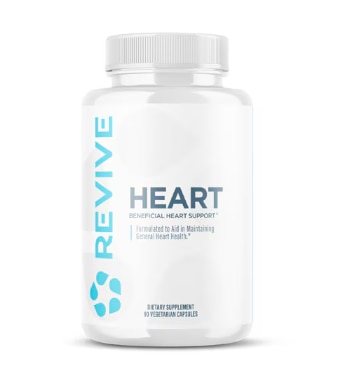
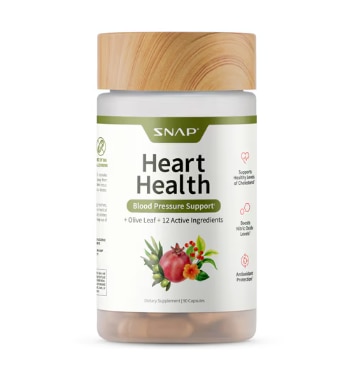
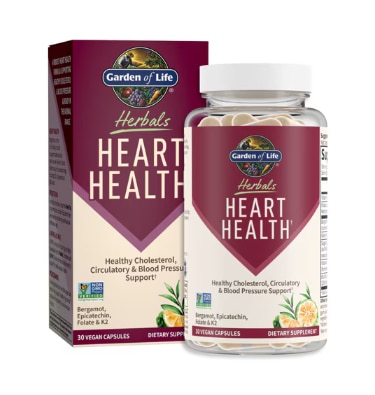
The post What is Holiday Heart Syndrome, and Why Does it Peak in December? first appeared on The Upside by Vitacost.com.