


It’s certainly no secret that we live in an era in which even the most quotidian concepts have earned a label. Whether it’s an “everything shower” or “adulting,” “bed rotting” or “sleepmaxxing,” our feeds are deluged with fresh sayings that can confuse even the most social-media-astute among us.
“Holiday back pain” might immediately seem to fall into the same category—shorthand that boasts an ear-catching, memorable zing about it.
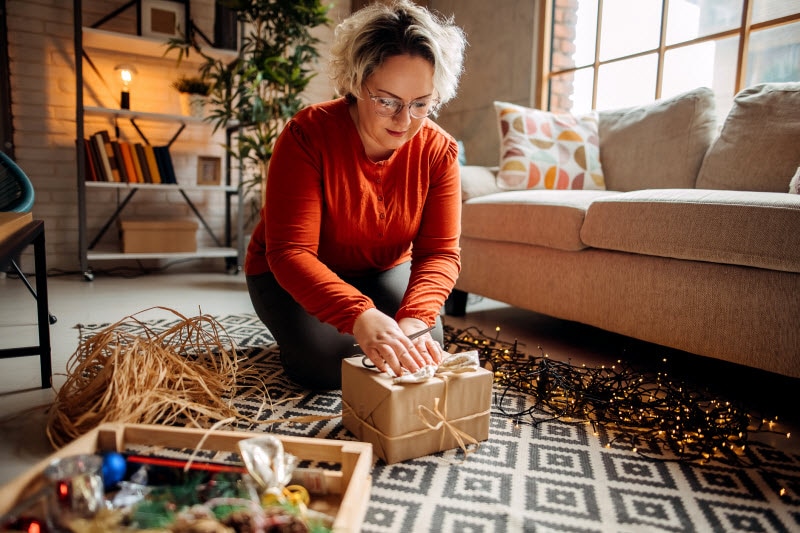
A trend, however, “holiday back pain” is not. Global metrics indicate that roughly 619 million people battle with lower pain worldwide. In the United States alone, approximately seventy-five to eighty-five percent of people experience some form of back pain during their lifetime. Deemed the primary cause of disability by the World Health Organization (WHO), back pain is also one of the foremost reasons individuals seek their doctor’s counsel. Missed work, diminished productivity, weight gain, even mental health issues—all can be caused by persistent back aches, rendering “holiday back pain” far from a trending TikTok topic and as real as any other significant health complication.
With all of that said, holiday back pain exists in a realm of its own. Here’s what you need to know about the phenomena and what you can do to dodge it from flaring up—now, and in all of the seasons to come.
What is holiday back pain?
Few of us are unfamiliar with back pain. You may have felt a pang of discomfort after an especially long day at your desk, just as you might be a tad too cozy with that low, dull ache in your lumbar spine or a shooting angst that stretches from your sacrum down one of your legs.
Holiday back pain is its own animal. While it’s not a formal diagnosis, it’s a catchphrase bandied about by medical professionals, who tend to see an uptick in back pain complaints right around the same time Christmas trees are being strung with lights. Before we uncover its uniqueness and the distinctive things that contribute to holiday back pain, let’s look at back pain itself.
The anatomy of back pain
Unless you’re a yogi or have suffered an injury, you might not pay much attention to your spine. And why should you? Like the ease of breathing and the bendiness of your knees, your spine is one of many beautiful, moving, silent parts that enable you to live, love, work, dance, play—you name it.
And yet, your spine is one of the most critical segments of human anatomy. Composed of nerves, soft tissues, joints, disks, vertebrae—or bones—and your spinal cord, it’s a vital, indispensable structure that gives you the power to stand, sit, squat, twist, walk and run (among many other activities). It’s separated into five major regions, starting from the top with your cervical spine—your neck—traveling down to your thoracic (or your middle back), curving down to your lumbar spine (or lower back), before reaching your sacrum, or that triangular bone that links to your hips, and ending at your coccyx.
Ideally, your spine has a natural curve, complete with strong back muscles that shield it from injury, and enough limberness to feel painless and free. However, your spine and back as a whole also take the brunt of your usual and out-of-the-ordinary actions, from sitting for hours on end in front of your laptop—which the human body was not designed to do—to downhill skiing or downward-facing dog.
Meaning: Not only is your spine subjected to common wear and tear, but it’s also vulnerable to strains, sprains, fractures and more (to say nothing of substantial injuries, accidents, irritation, chronic conditions, age and birth defects). This may result in pain and dysfunction ranging from mild and tolerable to acute and “I can’t bear to get out of bed.”
Holiday back pain refers to stress on your back specifically around the holidays. It might arrive right before Thanksgiving and linger into the New Year, or it may be triggered in the days leading up to Christmas, when life is often a flurry. Whatever the case may be, its timing alone illustrates that it’s not your standard back pain—and may deserve an extra dose of tender, loving attention.
What causes back pain during the holidays—and how can you prevent it?
For many, the holidays are marked by days and nights jam-packed with activities that may add to the joy of the season but also take a mighty toll on your spinal wellness. These include:
1. The trigger: Prolonged sitting
“Activities” doesn’t necessarily translate to increased physical exercise. A long road trip to visit your sister, a cross-country plane ride to spend Hannukah with your parents, a holiday movie marathon, lounging over hot chocolate with an old friend in town, pulling an all-nighter at your desk to meet an end-of-the-year deadline—all can place a terrific amount of stress on your spine.
Considering that sitting, of all things, can prompt back pain may seem ironic. After all, we’re not running in the snow, or attempting an awe-inspiring backbend. And yet, a sedentary lifestyle—or even just a sedentary Sunday over Christmas break—can wreak havoc on your spine by reversing its organic curvature. This may overstretch and exhaust your ligaments and strain your spinal discs by amplifying the load they must bear. Factor in our natural tendency to slouch and weather that doesn’t exactly invite time outside, and you may feel tender and achy.
The remedy: Exercise snacks
The best preventative measure to sitting for so long you feel your inner Grinch coming on? Engaging in consistent exercise.
This doesn’t mean you must skip your office party for your usual HIIT class or forego an early Christmas morning by the fire for a run, but it does mean remaining mindful of the amount of physical activity you partake in, day in and day out—and relying upon “exercise snacks” during times when prolonged sitting is inevitable. Not only will these short bursts of exercise keep your spine supple and strong, but research also shows they may enhance cardiorespiratory fitness.
To this end, try:
- Setting your timer and making a point to rise, stretch and walk around your home or office on days you’ve committed to make a dent in your workload
- Devoting fifteen to thirty minutes to strolling through your neighborhood or park before or after a lengthy holiday meal
- Performing a set of calisthenics or biometric exercises between films or TV shows, such as burpees, jumping jacks, lunges, or squats
- Breaking from signing your holiday cards to conduct a quick clean of your kitchen and bedroom
- Rising from your plane seat to stroll the aisles (when permissible, of course), while doing seated twists and shoulder rolls to ease stiffness every 30 to 45 minutes
- Stopping for breaks on protracted car rides for a quick jog, several stretches directed at your spine (like a standing L stretch, lumbar rotations, or merely standing tall, pressing your palms on your lower back and pressing your hips forward), or simply fueling up and cleaning out your vehicle
Have your own favorite exercise snack? Indulge in it. Movement is medicine, particularly when it comes to your back.
2. The trigger: …and prolonged standing
Whether your day will be spent in front of the stove as you carefully create a masterpiece of a meal or you’re waiting in a seemingly-endless line of shoppers, do know that standing for hours on end can take just as much of a toll on your back as slouching over your screen while playing Santa online.
Why?
First, blame gravity. Supporting your body weight magnifies the burden of pressure on your back muscles and spine when you’re in an upright position—yes, even if you’re slender. What’s more, your muscles naturally and rather inescapably grow fatigued after time; this can lead to less-than-stellar posture, which in and of itself precipitates back pain by disarranging your spine, placing imbalanced stress on your muscles, and constricting the blood vessels and nerves in your back. The result? The kind of pain that just makes you want to curl up.
The remedy: The right footwear
“Sensible, supportive shoes” doesn’t have the sultriest ring to it, but trust that ergonomic footwear is one of the wisest, most bulletproof ways to ensure your back receives the, well, backing it requires. Indeed, a solid pair of suitable shoes—complete with cushioning and arch support—can help absorb shock, facilitate natural foot movement and keep your body appropriately (and happily) aligned.
3. The trigger: Lifting, hauling and decorating
You might be an avid weightlifter or frequently participate in strength-training workouts. Nonetheless, you must admit that the holidays often arrive with a great deal of rather…awkward movements. Carrying a Christmas tree, hanging lights on your awning, lifting heavy boxes and luggage, toting your friends’ littles ones on your hip—all may make uncommon demands on your spine that may lead to aches, pains and tenderness.
The remedy: Enlist assistance
There are dozens of ways to spare your back from unnecessary pain—and pain that may cut into your holiday cheer at that. Need some help with taking the Christmas tree off of your car’s roof? Ask your partner, friend, teenaged son…or that neighbor boy who could use an extra $20 to finish his holiday shopping. Traveling near or far? Luggage with wheels can make all the difference in the world, while apps like Taskrabbit can connect you with pros who can assist you in everything from hanging holiday lights to assembling toys.
4. The trigger: Interruptions to your schedule
Shifts in your schedule—especially those that allow you to relish the exquisiteness and pleasure of the season—ought to be welcome and even healthy, right?
Certainly, but they can also usher in a host of things you and your back aren’t exactly accustomed to. Staying out late for a pre-NYE bash can rob your body and spine of the restorative sleep your body requires for its natural healing processes, while having relatives in town can keep you from attending your usual spinning class. Meanwhile, all of those sumptuous holiday eats—dishes and desserts your digestive system interprets as somewhat foreign—may provoke gut inflammation which can, in turn, give rise to pain, tension and soreness.
The remedy: Strengthen your core—and invest in a nourishing probiotic
What are the holidays without surprises and changes in your daily routine?
Preempt it all (and protect your ever-important back while you’re at it) by strengthening your core.
Why is this fundamental?
Your core acts as just that: the foundation for your physical structure. Comprised of several groups of muscles, from your transverse abdominal to your erector spinae (or a critical mass of muscles that run the length of your spine and aid in rotation, standing upright and more), your core has the potential to buttress your posture and movements. This is key, as weak muscles may put the onus of your body on your spinal discs, ligaments and vertebrae. The outcome? You guessed it: Back pain.
With this in mind, prioritize core-strengthening maneuvers, like:
- Plank
- Bird-dog
- Side plank
- Upward-facing dog
- Hollow holds
- Glute bridges
As for reveling in those once-a-year culinary indulgences? By all means, enjoy yourself (albeit in moderation), hydrate well and perhaps pop a probiotic to nurture your gut microbiome and mitigate digestive stress. One to try: Vitacost’s Probiotic 15-25. This winning product features 15 different probiotic strains to organically promote healthy levels of beneficial bacteria in the intestines.
5. The trigger: Heightened stress
The holidays may be rich with bliss and excitement, but, for some, the end of November through the first week of January can be mired with heartbreak, anxiety, financial duress—or the sense that you simply but utterly do not have time or everything. From holiday get-togethers to racing to get your shopping done, and from doubling-down on work to taking time off for traveling, you may find that it’s the most wonderful time of the year, sure, but also the least relaxing.
Holiday back pain is a natural consequence of this. Stress, of both the negative and positive kind, generates a cascade of physiological responses that may cause or contribute to back pain, including:
- Muscle tension
- Muscle spasms
- Intensified perception to pain
Toss in weight changes, grief for those spending the holidays without their loved ones and its physical manifestations, and poor sleep (and the poor sleep posture that comes with it) and the association between stress and pain becomes undeniable.
The remedy: Be kind and unwind
The idea of enjoying a “perfect holiday” while simultaneously satisfying every soul around you is a recipe for stress and the holiday back pain that comes with it.
To phrase it differently?
Go easy on yourself. Trust that purchasing a storebought pie for a party is far preferable to staying up until 2am trying to prove that you’re Betty Crocker. (Also trust that no one, or at least very few, will care or even notice.) Likewise, saying yes to every single event—even those that don’t interest you—will leave you either a) spiraling, b) resentful, c) exhausted, or d) all three.
Rest is imperative, and obtaining the amount you need will help you savor the shindigs you are keen on attending. Strive for presence instead of the perfect presents, and remind yourself of the real significance of the holidays: Spending quality, noteworthy time with your loved ones. Because that’s a trend that doesn’t need a label, nor will it ever go out of style.
Featured Products
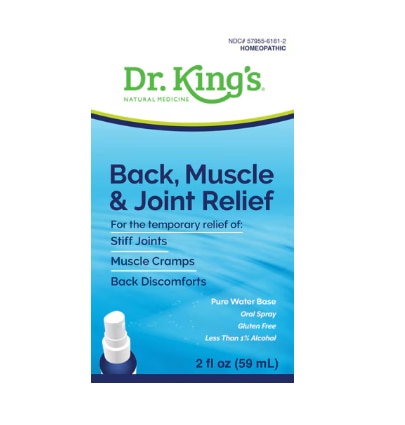
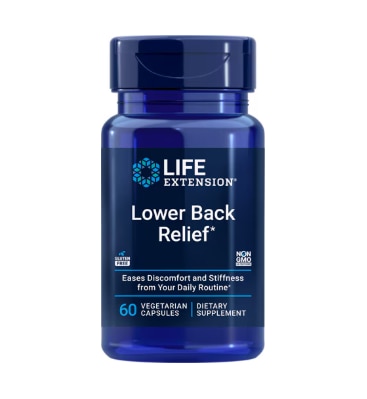
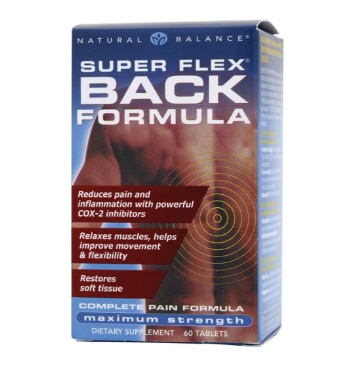
The post Why the Most Wonderful Time of the Year Is Hardest on Your Back first appeared on The Upside by Vitacost.com.