


Creatine is one of the most popular sports supplements on the market, and it’s also one of the most misunderstood. Despite decades of research and hundreds of clinical trials showing the benefits of creatine, concerns about side effects continue to circulate online and in locker room conversations.
The truth is that creatine monohydrate has been studied more thoroughly than almost any other supplement. And the findings consistently show that many common fears about creatine simply don’t hold up when you look at the data. Here’s what the latest research says about the most persistent creatine myths.

What is creatine?
Creatine is a naturally occurring compound found in your muscles and brain. Your body makes about 1 to 2 grams daily from amino acids, and you also get it from foods like red meat and fish. As a supplement, creatine monohydrate helps replenish your muscles’ energy stores during high-intensity exercise, which can help support strength, power and recovery.†
Because creatine draws water into muscle cells, it can also support muscle fullness and hydration at the cellular level, but it also helps support the growth of muscle tissue when combined with resistance training. It’s widely used by athletes and fitness enthusiasts, but research also suggests potential benefits for older adults looking to maintain muscle mass and cognitive function.†
The biggest misconceptions about creatine
1. “Creatine damages your kidneys”
This is a very common myth about creatine, but new research proves it’s not true. A large 2025 study looked at 685 human trials with over 12,800 people taking creatine and 13,400 people taking a placebo. The researchers found no major difference in kidney problems or lab results between the creatine and placebo groups, even in studies that lasted up to 8 years where people took doses around 10 grams daily.†
Another meta-analysis of 15 studies that focused on kidney function found no evidence that creatine harms kidneys when taken at standard doses. Taking creatine can make your blood tests show slightly higher creatinine levels. This doesn’t mean your kidneys are damaged; it just shows there’s more creatine in your body. Studies and experts agree that creatine doesn’t hurt the kidneys of healthy people. You should only be careful if you already have kidney disease.†
2. “Creatine causes stomach problems”
One of the other most popular myths is that creatine will upset the stomach, causing issues like bloating or cramps. The good news is that this rarely happens, and the 2025 analysis shows you’re about as likely to have tummy issues with creatine as you are with a placebo (5.5% vs 4%).†
If you do feel a little discomfort, it’s usually mild and often linked to taking a large dose all at once. The simple fix is to take smaller doses throughout the day or mix your creatine with a meal.
3. “Creatine causes liver problems”
The same large 2025 study shows that people taking creatine do not have more cases of high liver enzymes or liver problems than those taking a placebo. The difference in side effect rates between the two groups was usually less than half a percent. Extensive reviews from 2019 to 2025 consistently report that long-term creatine use does not cause any meaningful changes in liver function in healthy people or those with existing health conditions.†
4. “Creatine makes your hair fall out”
This concern traces back to a single study from 2009 on rugby players that found an increase in a hormone called DHT, which is linked to hair loss in people who are already prone to it. But the study didn’t actually check if anyone lost hair, and no other research has found the same result.†
A 2024 expert review in the Journal of the International Society of Sports Nutrition looked closely at this question again. It found that the evidence linking creatine to hair loss is weak and mostly based on personal stories, not solid data. The 2025 safety analysis of 685 trials also didn’t find that hair loss was a consistent or specific side effect of creatine compared to a placebo.†
5. “Creatine causes muscle cramps and dehydration”
Forget the old stories about creatine making you cramp up or dry out, the science doesn’t back it up. Even though a few more studies slightly mentioned cramping in people taking creatine than those taking a placebo (2.9% versus 0.9% of studies), the actual number of people affected was tiny in both groups, and not enough to be a real, meaningful difference.†
Whether researchers looked at women specifically or mixed groups, they didn’t find any extra side effects, muscle cramps or dehydration problems compared to a placebo. A 2020 review of 29 trials in women confirmed no deaths or serious issues, and no significant differences in total side effects, tummy troubles, weight changes or problems with the kidneys and liver compared to the placebo group.†
Tips for using creatine safely
If all the exciting news about the benefits makes you want to try creatine, here are a few simple tips to get the best results.
- Skip the intense “loading” phase and just take 3 to 5 grams daily.
- If it upsets your stomach, take it with a meal or split the dose.
- Drink plenty of water as creatine loves hydration.
- Stick with creatine monohydrate, it’s the one with the most solid research.
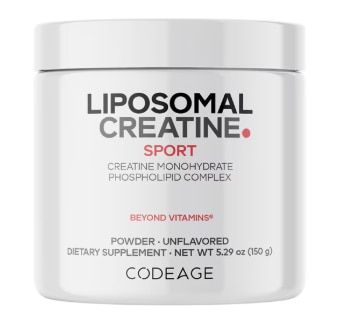
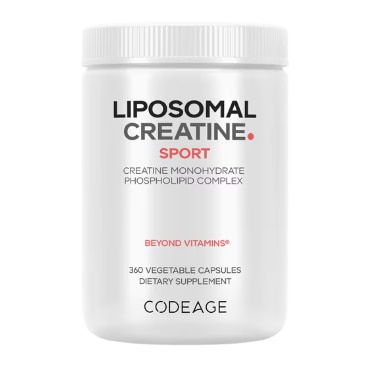
If you’re looking for a top-notch choice, Codeage Liposomal Creatine Monohydrate comes as a powder or in capsules. The powder gives you a full 5,000 mg of easy-mixing creatine, while the capsules offer 3,000 mg for simple use when you’re on the move. As with any supplement, chat with your doctor before starting, especially if you have health issues or take medication.
What to remember
Creatine monohydrate is one of the most studied supplements out there, and the science is clear that it’s safe for healthy adults when you take the right amount. If you do notice any side effects, they’re usually minor, easy to handle, and no more likely to happen than if you took a sugar pill.
Forget the scary stories you’ve heard about damaged kidneys, liver issues, hair loss or getting dehydrated, the research just doesn’t support them. If safety concerns have been stopping you from trying creatine, the evidence says you can stop worrying. Of course, always talk to your doctor before starting any supplement, regardless of safety reports.
†These statements have not been approved by the Food and Drug Administration. These products are not intended to diagnose, treat, cure or prevent disease.
Featured Products

The post 5 Common Creatine Myths Debunked by Science first appeared on The Upside by Vitacost.com.